
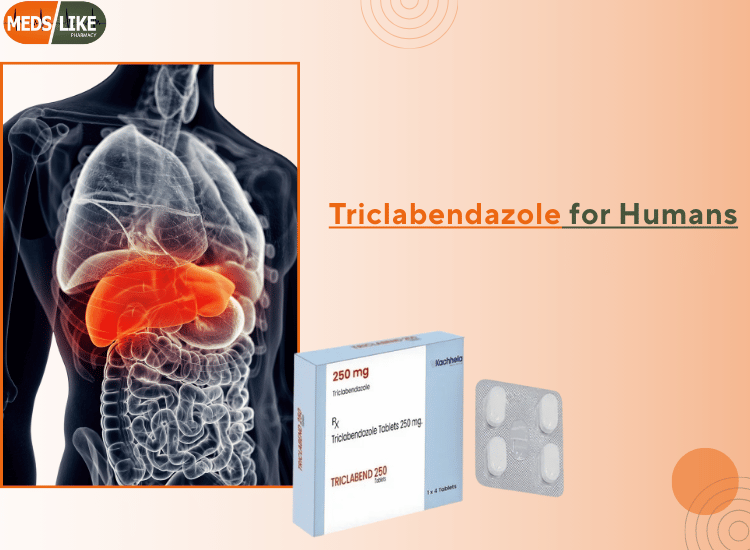
Triclabendazole for Humans: Everything You Need to Know About Treatment is an important topic for individuals seeking effective solutions for parasitic infections, especially liver fluke diseases. Triclabendazole is a well-known antiparasitic medication primarily used to treat infections caused by Fasciola hepatica and Fasciola gigantica, commonly known as liver flukes. These parasites infect the liver and bile ducts and can lead to serious health complications if not treated properly.
In this article, brought to you by medslike.com, we will explore everything you need to know about triclabendazole, including its uses, dosage, mechanism of action, side effects, precautions, and safety information.
What is Triclabendazole?
Triclabendazole is an anthelmintic (anti-worm) medication specifically designed to treat trematode infections. Unlike many other antiparasitic drugs, triclabendazole is highly effective against both immature and adult stages of liver flukes, making it one of the most powerful treatments available.
In addition to medical treatment, prevention plays a key role in avoiding liver fluke infections in humans. People should avoid consuming raw or undercooked aquatic plants such as watercress and ensure that drinking water comes from a safe and treated source. Good hygiene practices and proper food handling can significantly reduce the risk of parasitic infections. Public health awareness is also important in regions where fascioliasis is more common, helping communities understand how infections spread and how they can be prevented effectively.
It works by interfering with the parasite’s microtubule formation, which is essential for its survival. As a result, the parasite loses its ability to function, eventually leading to its death and removal from the body.
Uses of Triclabendazole in Humans
Triclabendazole is mainly prescribed for the treatment of:
- Fascioliasis (liver fluke infection)
- Parasitic infections affecting the liver and bile ducts
- Rare trematode infections in humans
Fascioliasis is commonly acquired through contaminated water plants such as watercress or through drinking unsafe water. If left untreated, it can cause symptoms like abdominal pain, fever, nausea, liver enlargement, and bile duct obstruction.
Doctors may recommend triclabendazole when symptoms are confirmed through blood tests, imaging, or stool examination.
How Triclabendazole Works
Understanding Triclabendazole for Humans: Everything You Need to Know About Treatment includes knowing how the drug works inside the body.
Once administered, triclabendazole is absorbed and converted into an active metabolite called triclabendazole sulfoxide. This active form attacks the parasite’s structural system, especially the microtubules. Without these structures, the parasite cannot maintain its shape, absorb nutrients, or survive.
Eventually, the dead parasites are eliminated through the bile and digestive system.
Dosage and Administration
The dosage of triclabendazole depends on the severity of infection and patient condition. However, a common treatment guideline includes:
- Typical dose: 10 mg/kg body weight
- May be given as a single dose or divided into two doses 12–24 hours apart
- Always taken with food to improve absorption
It is important to follow a healthcare professional’s instructions carefully. Self-medication is not recommended.
In some cases, doctors may repeat the dose if the infection persists or if laboratory results indicate incomplete clearance.
Side Effects of Triclabendazole
Like all medications, triclabendazole may cause side effects. Most are mild and temporary, but some may require medical attention.
Common side effects:
- Abdominal pain
- Nausea or vomiting
- Headache
- Dizziness
- Fever
Less common but serious effects:
- Allergic reactions (rash, itching, swelling)
- Liver enzyme elevation
- Severe abdominal discomfort
These side effects often occur due to the body reacting to dying parasites rather than the drug itself.
Precautions Before Using Triclabendazole
Before starting treatment, certain precautions should be considered:
- Inform your doctor about any liver disease
- Mention any allergies to medications
- Use with caution during pregnancy or breastfeeding
- Avoid self-medication without diagnosis
Doctors may conduct liver function tests before and after treatment to ensure safety.
Drug Interactions
Triclabendazole for Humans may interact with other medications, although interactions are relatively limited. Still, it is important to inform your healthcare provider if you are taking:
- Anticonvulsants
- Antibiotics
- Liver-metabolized drugs
Proper medical supervision helps reduce the risk of complications.
Effectiveness of Triclabendazole
Triclabendazole is considered the gold standard treatment for fascioliasis. Studies show high cure rates, especially when taken early in the infection stage. It is effective against both juvenile and adult parasites, which makes it superior to many older treatments.
Patients often experience symptom improvement within a few days of treatment, although full recovery may take longer depending on infection severity.
Conclusion
Triclabendazole for Humans: Everything You Need to Know About Treatment highlights the importance of this medication in managing liver fluke infections effectively. Triclabendazole remains one of the most trusted and effective antiparasitic drugs available today.
Triclabendazole is generally well tolerated by most patients, but its effectiveness also depends on timely diagnosis and proper medical supervision. Delayed treatment of liver fluke infections can lead to long-term liver damage, bile duct inflammation, or secondary infections that may require more complex medical care. Therefore, early intervention with triclabendazole not only helps eliminate the parasite quickly but also reduces the risk of serious complications. Regular follow-up with healthcare professionals ensures that the infection has been fully cleared and that liver function is returning to normal.
When used under proper medical supervision, it offers a high cure rate with manageable side effects. However, correct diagnosis and dosage are essential for safe and effective treatment.
For more detailed health guides, visit medslike.com, your trusted source for reliable medical and wellness information.