
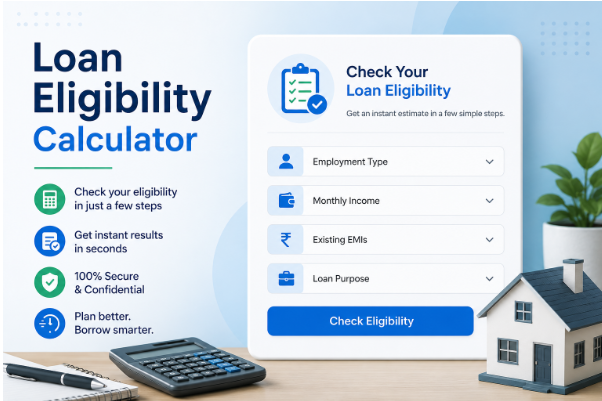
When considering a loan, whether for personal needs, business expansion, or other financial obligations, it’s crucial to understand your eligibility before proceeding. A loan eligibility calculator serves as an essential tool that allows borrowers to assess their chances of qualifying for a loan amount. This article explores how loan eligibility calculators work, why they are important, and how they can help you secure an amount up to 10,000 rupees urgently.
Understanding Loan Eligibility Calculators
What is a Loan Eligibility Calculator?
A loan eligibility calculator is a digital tool that helps potential borrowers determine the maximum amount of loan they can qualify for based on various financial parameters. By inputting details like income, existing debts, credit score, and loan tenure, users can get an estimate of their eligibility. This free tool is typically available on banks’ and financial institutions’ websites.
Why Use a Loan Eligibility Calculator?
Using a loan eligibility calculator has several advantages:
- Quick Assessment: It provides an instant overview of how much you can borrow, saving you the time and effort of filling out lengthy forms without knowing your eligibility.
- Better Planning: By understanding your borrowable amount, you can better plan your finances and avoid taking loans beyond your repayment capability.
- Comparison: Different lenders have varying eligibility criteria. Using the calculator allows you to compare your eligibility across multiple lenders without hassle.
Factors Affecting Loan Eligibility
To use the loan eligibility calculator effectively, you’ll need to understand the key factors that influence your eligibility:
1. Income
Your monthly income is one of the most significant factors determining your loan eligibility. Lenders typically assess your gross income to decide how much you can repay every month without straining your finances.
2. Existing Loans and Debts
If you have outstanding loans or debt obligations, they will affect your eligibility. Lenders will evaluate your debt-to-income ratio to ensure that you can manage additional loan repayments.
3. Credit Score
A strong credit score increases your chances of loan approval. A score above 750 is generally considered favorable for most lenders. If your credit score is lower, you may want to work on improving it before applying for a loan.
4. Loan Tenure
The duration over which you intend to repay the loan also influences your eligibility. Typically, a longer tenure may allow for larger loan amounts, but it could increase the total interest paid.
5. Age and Employment Stability
Lenders consider your age and job stability as indicators of your financial health. A stable job with a good income can significantly enhance your borrowing capacity.
How to Use a Loan Eligibility Calculator
Step-by-Step Guide
Using a loan eligibility calculator is easy and requires just a few steps:
- Visit a Reliable Financial Institution’s Website: Look for banks or lending companies that offer a loan eligibility calculator.
- Input Your Details: Enter information like your monthly income, existing financial commitments, credit score, and desired loan tenure.
- Click ‘Calculate’: Most calculators will provide an instant estimate of your eligibility based on the provided information.
- Interpret the Results: Take note of the maximum amount you are eligible for, which can guide your borrowing decisions.
Example Scenario
Let’s say you wish to apply for a personal loan of 10,000 rupees urgently. If you are wondering how to get 10000 rupees urgently, entering your financial details into the calculator can help you understand whether you qualify before submitting a loan application. Input the following details into the calculator:
- Monthly Income: 30,000 rupees
- Existing Debts: 5,000 rupees
- Credit Score: 780
- Loan Tenure: 1 year
The calculator will assess these parameters and provide you with an estimated maximum loan amount you could be eligible for and what your EMI (Equated Monthly Installments) would look like.
How to Get 10,000 Rupees Urgently
Options for Quick Financing
While a loan eligibility calculator helps you understand how much you can borrow, sometimes you may find yourself in urgent need of 10,000 rupees. Here are some strategies:
1. Personal Loans
Most banks and financial institutions can provide personal loans with quick disbursement. Make use of the loan eligibility calculator to know if you qualify.
2. Credit Cards
If you have a credit card with sufficient limit, you can utilize cash withdrawals or use it for urgent expenses.
3. Peer-to-Peer Lending Platforms
Several online platforms connect individuals looking to lend with those needing immediate funds. Research and find credible P2P platforms that facilitate faster approval and disbursement.
4. Short-term Loans
Some lenders offer short-term loans that are typically easier to secure but come with higher interest rates. Use the eligibility calculator to gauge your chances.
Conclusion
In an era where financial needs can arise unexpectedly, understanding your loan eligibility is crucial before submitting applications. A loan eligibility calculator acts as a guiding light, helping you discern how much you can borrow while considering your financial health. Whether you are looking for how to get 10,000 rupees urgently or just want to assess your loan options, leveraging this tool will enhance your decision-making.
Make sure to enter precise and honest details in the calculator, and take time to explore various lenders. This will not only help you find the best loan options but also ensure that you can meet your repayment obligations comfortably. Happy borrowing!