
Introduction
A hotel spa can be much more than a quiet corner where guests book the occasional massage. When managed well, it can become a strong revenue centre that improves guest satisfaction, increases repeat visits, and lifts the overall value of a stay.
The challenge is that simply having a spa is not enough. Guests now expect convenience, personalisation, wellness value, and a reason to choose your treatment menu over every other option around them. Hotels need a clear plan that brings together marketing, service quality, technology, retail, and strong daily operations.
This guide explores How Hotels Can Grow Spa Revenue With 12 Proven Ideas, using practical strategies that help attract new guests, increase bookings, improve the guest experience, and turn spa services into a more reliable source of hotel profit.
Why Hotel Spas Need a Smarter Revenue Plan
Many hotel revenue management books focus heavily on rooms, occupancy, pricing, and seasonal demand, but spa revenue deserves the same level of attention because it can influence the entire guest experience.
A guest who books a spa treatment may also stay longer, spend more on food and drinks, buy retail products, or return for a future visit. A well-run spa does not only add income. It can strengthen the hotel’s wellness identity and create a reason for guests to choose your property again.
The key is to stop treating the spa as an optional add-on. It should be managed as a strategic business unit with clear goals, strong offers, staff training, digital visibility, and regular performance tracking.
1. Create Spa Packages Guests Actually Want
Packages make it easier for guests to say yes. Instead of asking them to choose from a long treatment list, create simple offers around specific needs.
A romantic package might include a couples massage, a relaxing room setup, and a special refreshment. A stress relief package could combine aromatherapy, hot stone massage, and quiet recovery time. A detox package might include a body wrap, facial, and healthy meal option.
Seasonal offers also work well. A winter relaxation package, spring skin refresh, or summer cooling treatment gives guests a fresh reason to book throughout the year.
2. Make the Spa Easy to Find Online
If guests cannot easily discover your spa online, bookings will suffer. Your hotel website should include a clear spa page with treatment descriptions, attractive images, opening hours, package details, and booking options.
Social media can also help create desire. Calm visuals, short treatment videos, behind the scenes moments, and guest friendly wellness tips can make the spa feel more inviting.
Email marketing is useful too. Past guests may not know about new treatments, seasonal packages, or midweek offers unless you tell them directly.
3. Use Promotions to Fill Quiet Times
Promotions should not feel desperate. They should be used strategically to fill gaps in demand.
Midweek discounts can help increase bookings during slower periods. Early booking offers can secure appointments in advance. Referral rewards can encourage happy guests to bring friends or family.
Loyalty points also help increase repeat visits. When guests know they can earn credit towards future treatments, they have a stronger reason to return.
4. Build Local Partnerships
Hotel spas should not depend only on overnight guests. Local partnerships can bring in new audiences who may not otherwise think of visiting.
A partnership with a nearby gym could combine fitness and recovery. A salon partnership could work well for weddings, events, or special nights out. Wellness retreats or local health businesses can also help create broader packages.
These partnerships expand reach and make the spa part of the local wellness scene, not just a hotel facility.
5. Promote Staycation Spa Experiences
Local guests are often looking for a short escape without the cost or planning of a long trip. A staycation package that includes a room, spa treatment, and relaxed dining option can be very appealing.
This approach works well for couples, friends, busy professionals, and people celebrating birthdays or anniversaries. It also helps hotels attract revenue from people who live nearby but still want a premium break.
A strong staycation offer turns the spa into the reason for the booking, not just a bonus.
6. Create a Spa Atmosphere Guests Remember
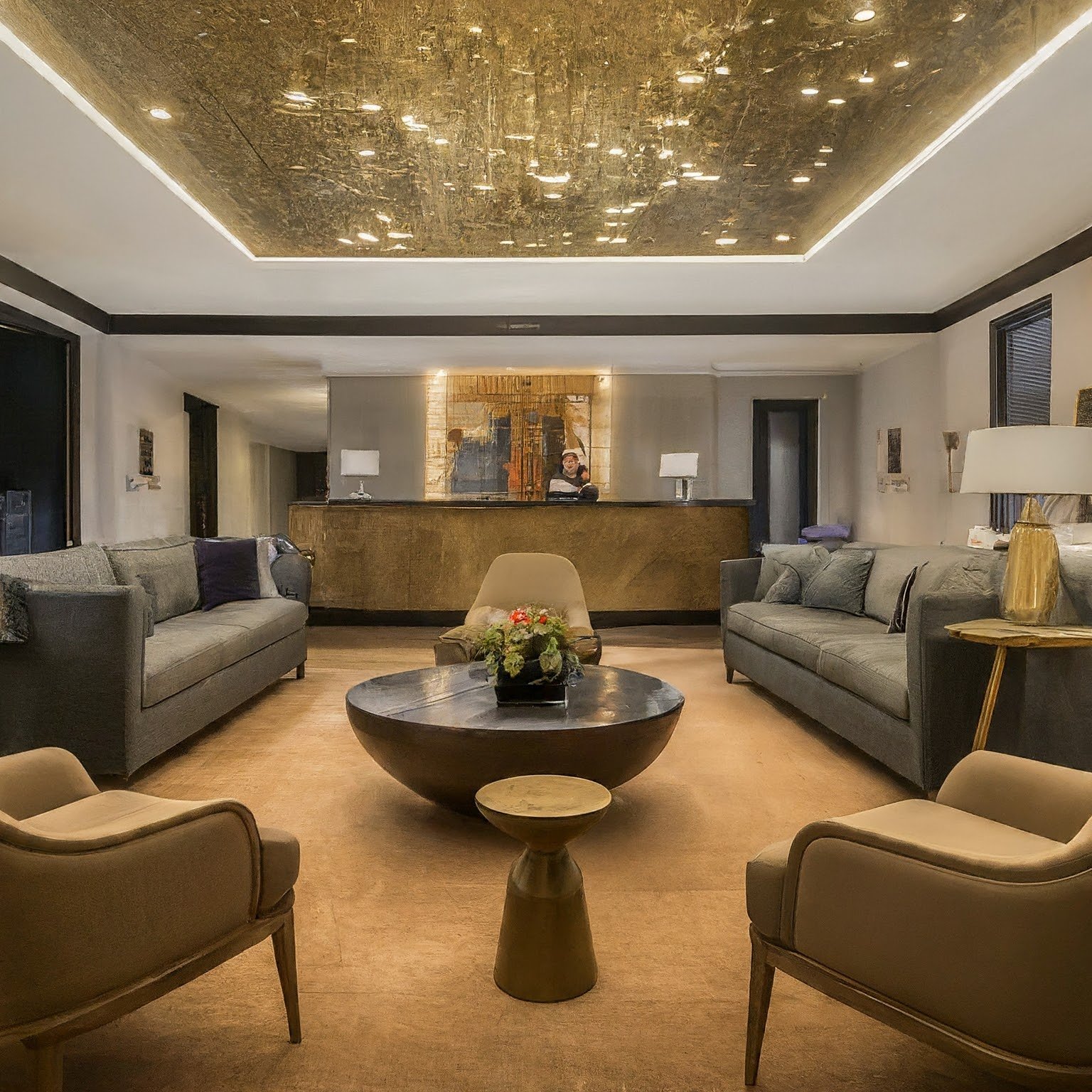
The spa experience starts before the treatment begins. Lighting, scent, sound, temperature, cleanliness, and comfort all influence how guests feel.
Soft music, calming scents, clean treatment rooms, comfortable robes, quality towels, and thoughtful waiting areas can make the experience feel more premium. Small details matter because guests often judge the quality of a spa by how cared for they feel.
A peaceful atmosphere can also encourage guests to stay longer, buy products, and book again.
7. Train Staff to Personalise the Experience
Great spa revenue depends on great people. Staff should know how to listen, recommend treatments, explain benefits clearly, and handle concerns with care.
Personalisation is especially important. A guest with muscle tension may need a different treatment from someone seeking relaxation. A guest preparing for an event may want a facial or body treatment that feels more confidence boosting.
When staff make thoughtful recommendations, guests feel understood. That trust often leads to higher bookings and stronger loyalty.
8. Refresh the Treatment Menu
A stale treatment menu can make the spa feel forgettable. Hotels should review their services regularly and look for ways to keep the offer appealing.
Core treatments such as massages, facials, body wraps, reflexology, and aromatherapy should be easy to understand. Seasonal treatments can add freshness. Unique options such as hydrotherapy, sound based relaxation, or specialist massage styles can help the spa stand out.
The goal is not to add endless options. It is to offer the right mix of reliable favourites and memorable experiences.
9. Bring in Wellness Experts
Guest specialists can make the spa feel more exclusive. This might include therapists with expertise in specific massage styles, meditation instructors, yoga teachers, or wellness practitioners.
Classes and workshops can also create extra revenue. Morning yoga, guided relaxation, breathing sessions, or short wellness events can turn the spa into a broader wellbeing hub.
These experiences can attract both hotel guests and local visitors who want something beyond a standard treatment.
10. Use Technology to Simplify Bookings
Convenience drives bookings. If guests have to call, wait, or search too hard, they may give up.
Online booking allows guests to reserve treatments whenever they are ready. Digital check-in can reduce waiting time. Spa software can manage appointments, payments, staff schedules, and guest preferences in one place.
When the system connects with hotel operations, staff can better understand guest history, preferences, and spending patterns. This creates a smoother experience for both the guest and the team.
11. Track Data and Act on It
Revenue growth becomes easier when hotels track the right numbers. Important spa metrics include revenue per treatment, average spend, repeat bookings, treatment popularity, guest satisfaction, and quiet booking periods.
This data helps managers make better decisions. If one treatment sells strongly, it may deserve more promotion. If certain hours are always quiet, a targeted offer may help. If guest feedback shows service gaps, training can be improved.
Data turns guesswork into action.
12. Add Retail Products That Fit the Experience
Retail can quietly increase spa profit when done well. Guests who enjoy a treatment may want to continue the experience at home.
Choose quality products that match the spa’s positioning. This might include skincare, oils, lotions, relaxation items, or branded products. Displays should be clean, attractive, and easy to understand.
Staff should be trained to recommend products naturally. The best approach is helpful, not pushy. For example, if a guest mentions dry skin, the therapist can suggest a suitable product used during the treatment.
Strengthen the Spa Brand
A spa with a clear identity is easier to market. Decide what makes the spa different. It may be known for calm luxury, eco-conscious treatments, couples experiences, advanced wellness options, or highly personalised service.
Once that identity is clear, keep it consistent across the website, social media, email campaigns, treatment menus, signage, and guest communication.
Reviews also matter. Encourage happy guests to share feedback and respond professionally to all reviews. Positive comments can build trust and help new guests feel confident booking.
Conclusion
How Hotels Can Grow Spa Revenue With 12 Proven Ideas comes down to building a spa that is easy to discover, easy to book, enjoyable to experience, and worth returning to.
Hotels that combine smart packages, digital marketing, local partnerships, thoughtful service, technology, data, and retail opportunities can turn the spa into a stronger revenue channel. The most successful approach is not one single tactic. It is a connected strategy that improves every stage of the guest journey.
A profitable hotel spa does more than sell treatments. It creates memorable wellness moments that guests value, talk about, and come back for.
Your point of view caught my eye and was very interesting. Thanks. I have a question for you.