
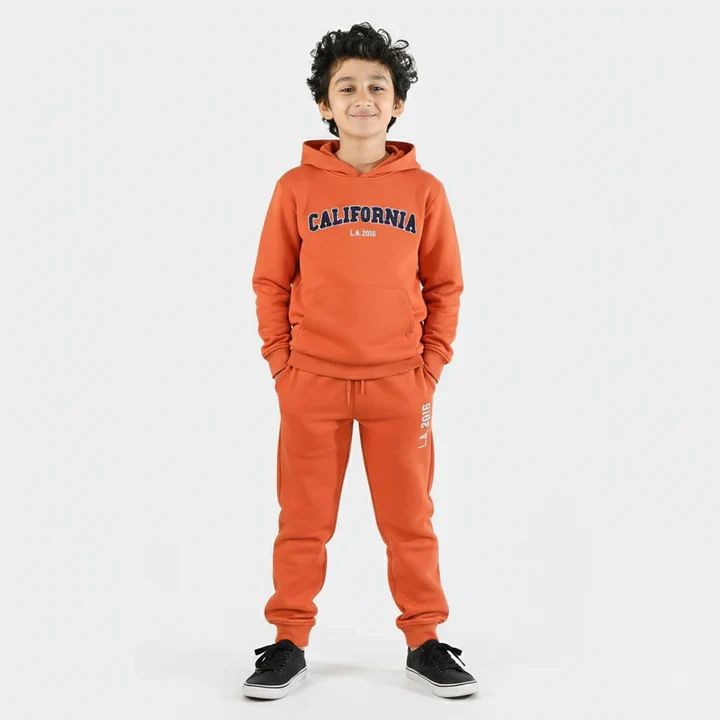
Getting the right size is one of the most important parts of buying kids clothes. Children grow quickly, and sizing can differ between brands, styles, and age groups. A good fit should allow comfortable movement without looking too loose or restrictive. Measurements such as height, chest, waist, and inseam can provide a more accurate guide than age alone. Understanding size charts, fabric stretch, clothing cuts, and growth room can make shopping easier and reduce the chance of buying unsuitable garments. From everyday outfits to party wear, a practical approach to sizing helps ensure comfort, proper movement, and a neat appearance throughout the day.
Why Accurate Sizing Matters for Kids Clothes
Proper sizing affects comfort, movement, appearance, and the useful life of a garment. Clothes that are too tight can restrict movement and become uncomfortable during active play, while oversized clothing may interfere with walking, running, or other activities. Correctly fitted kids clothes allow enough room for natural movement while maintaining a tidy shape. Accurate sizing also helps reduce unnecessary exchanges and prevents garments from being outgrown too quickly. A balanced fit is especially important for school uniforms, trousers, dresses, jackets, and other clothing worn for several hours.
Understanding Kids Clothing Size Charts
Size charts are useful because age-based labels do not always represent actual body measurements. A typical chart may include age, height, chest, waist, and sometimes hip or inseam measurements. Height is often a useful starting point because children of the same age can have significantly different body sizes. Measuring the child and comparing the results with the brand’s size chart provides a more reliable starting point. When measurements fall between two sizes, the clothing style and expected growth period should also be considered before selecting a size.
Age-Based Sizes Are Only a Starting Point
Labels such as 2T, 3T, 4T, 5T, or age ranges are convenient but should not be treated as exact measurements. Growth patterns differ considerably among children, making age alone an unreliable sizing method. A child who is six years old may require a different size from another six-year-old. Height and body measurements usually provide more useful information. Age labels work best as an initial reference, followed by a comparison against the specific manufacturer’s measurements. This approach is particularly helpful when purchasing kids clothes online.
How to Measure for the Right Fit
Accurate measurements can make sizing much easier. For height, the child should stand straight against a wall without shoes, with the measurement taken from the floor to the top of the head. Chest measurement should be taken around the fullest part of the chest while keeping the measuring tape comfortable. Waist measurement should be taken around the natural waist without pulling the tape tightly. For trousers and jeans, an inseam measurement from the crotch to the ankle can help determine the appropriate length. Measurements should be recorded in the unit used by the relevant size chart.
Allowing Room for Growth
Children can outgrow clothing quickly, so a small amount of extra room can be practical. However, excessive sizing can create an uncomfortable and untidy fit. Growth room should depend on the garment type. T-shirts, sweatshirts, jackets, and loose dresses may accommodate slightly more room, while fitted trousers, formal shirts, and structured dresses usually require a closer fit. Adjustable waistbands, cuffed sleeves, and extendable features can also provide additional flexibility. The goal is to allow natural growth without making the garment difficult to wear.
Checking Chest, Waist, and Length
Different body measurements matter for different types of clothing. A shirt may fit correctly around the chest but have sleeves that are too long. Trousers may have the correct waist size but excessive length. Dresses can require attention to both chest width and overall length. Before purchasing kids clothes, each relevant measurement should be compared with the size chart. Checking several measurements instead of relying on a single number can provide a more balanced fit. This is especially useful for children with taller, shorter, slimmer, or broader body proportions.
Considering Clothing Style and Fabric
Fabric and garment design can change how a particular size feels. Stretch fabrics such as cotton blends, jersey, and elastane can offer additional flexibility, while woven fabrics generally have less give. Slim-fit garments usually provide less extra room than regular or relaxed styles. Heavy jackets may also require enough space for an additional layer underneath. Understanding the material and cut can help determine whether the standard size is suitable or whether an alternative size would provide better comfort.
Sizing for Different Types of Kids Clothes
Different garments require different fitting considerations. T-shirts should provide comfortable chest and shoulder room without excessive length. Jeans and trousers should sit securely at the waist while allowing enough room for sitting and movement. Dresses should offer sufficient chest and arm movement while maintaining an appropriate length. Jackets should have enough space for layers without becoming excessively large. Sleepwear often benefits from a comfortable fit that allows movement. School uniforms require particular attention to durability and growth room because of frequent wear.
Tips for Buying Kids Clothes Online
Online shopping makes size charts especially important because the garment cannot be tried on before purchase. Product descriptions should be checked for information about fit, fabric, stretch, and measurements. The child’s latest measurements should be compared with the listed chart rather than relying on an older clothing size. Customer reviews can sometimes provide useful information about whether a garment runs small, large, short, or long. Store-specific sizing should also be considered because a medium or age-based size can vary between different brands.
How to Handle Between-Size Measurements
Measurements often fall between two listed sizes. In such cases, the garment type, fabric, and intended use can guide the decision. For fitted clothing, the larger size may provide more comfortable movement, particularly when the material has limited stretch. For loose-fitting garments, the smaller size may already provide sufficient room. Adjustable features can also make an intermediate choice easier. When growth is expected soon, a slightly larger size may offer additional wear time, provided the garment still allows safe and comfortable movement.
Common Kids Clothing Sizing Mistakes
Several simple mistakes can lead to an unsuitable fit. Relying entirely on age is one common issue because children grow at different rates. Another mistake is measuring with a stretched or loose tape, which can produce inaccurate results. Buying several sizes larger solely for future growth can also make current wear uncomfortable. Ignoring garment-specific measurements is another problem, especially for trousers, dresses, and jackets. Regularly updating measurements and checking the size chart before purchasing can help avoid these issues.
When to Replace a Size
A garment may need replacement when sleeves or trouser legs become noticeably short, buttons become difficult to fasten, waistbands feel restrictive, or movement becomes uncomfortable. Frequent signs of outgrowing include stretched seams, tight shoulders, exposed ankles, and clothing that no longer sits correctly. Regular checks are useful because growth can happen quickly. Seasonal clothing deserves additional attention because jackets, sweaters, and winter trousers may need to accommodate layers underneath. Replacing clothing at the right time helps maintain comfort and allows better freedom of movement.
Building a Practical Kids Clothes Wardrobe
A practical wardrobe benefits from a mixture of correctly fitted everyday basics and a few flexible pieces with room for growth. T-shirts, trousers, leggings, dresses, sweatshirts, jackets, and sleepwear should be selected according to actual measurements and intended use. Neutral and versatile pieces can be combined with seasonal clothing and special-occasion outfits. Adjustable waistbands, stretchy fabrics, and durable materials can increase usability. A regular review of measurements can also prevent a wardrobe from becoming filled with garments that have already become too small.
Bachaa Party for Comfortable Kids Clothes Shopping
Bachaa Party offers a convenient destination for exploring kids clothes across different styles, occasions, and age groups. A broad selection can make it easier to find everyday outfits, seasonal pieces, special-occasion clothing, and practical wardrobe essentials. Size information remains an important part of the shopping process, and comparing measurements with available sizing details can support a more suitable purchase. Bachaa Party also provides access to clothing options designed around the changing needs of growing children. Combining accurate measurements with appropriate garment selection can make kids clothes shopping more practical, comfortable, and organized.