
The right clothing can make childhood days more comfortable, practical, and enjoyable. Pakistani children’s clothing offers a wide range of styles for different ages, from soft newborn outfits to comfortable pre-teen clothing. Fabric choice, weather, activity level, and age all play an important role when selecting suitable clothes for children. Cotton suits, shalwar kameez, frocks, trousers, shirts, co-ord sets, and festive outfits are common choices across Pakistan. A well-planned children’s wardrobe can include simple everyday pieces along with traditional and occasion-based clothing. Understanding the needs of each age group helps create a balanced collection that supports comfort, movement, and changing seasonal requirements.
Newborn Clothing for Comfort and Easy Care
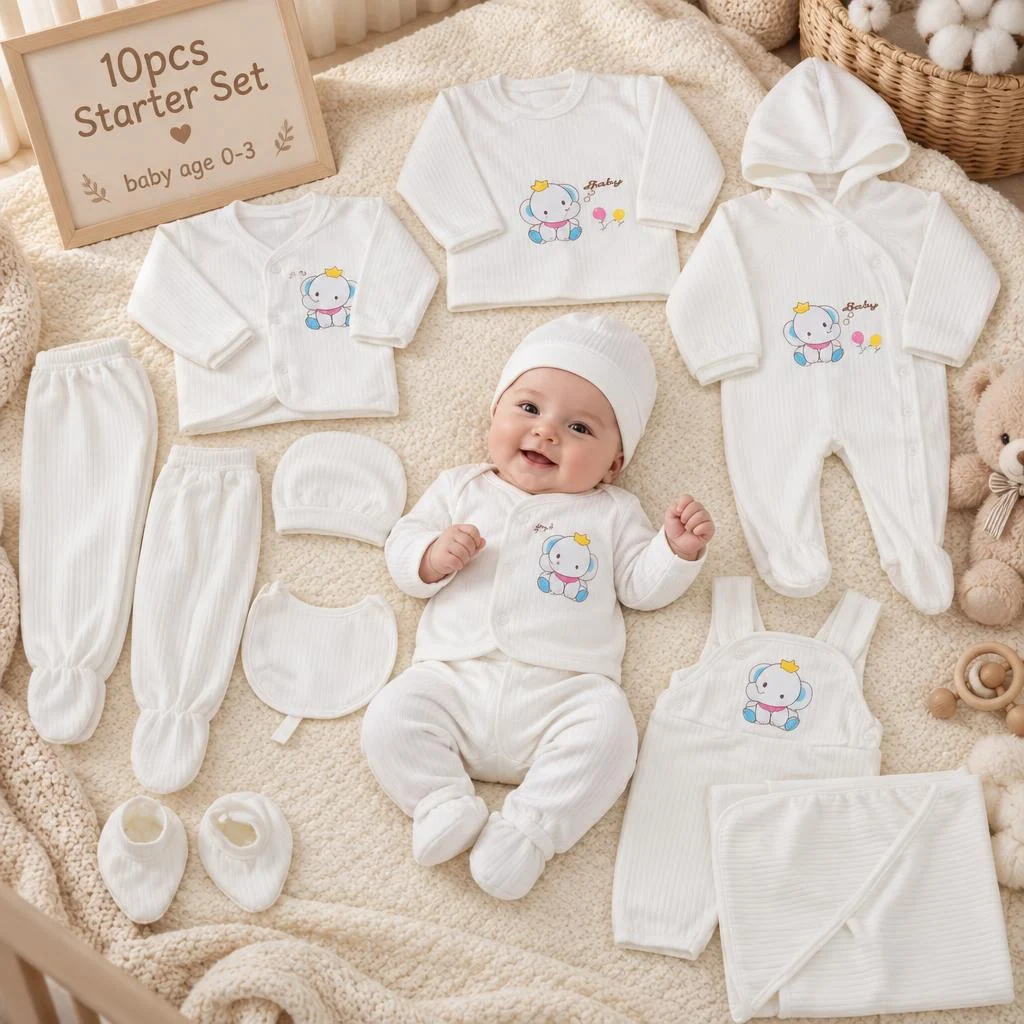
Newborn babies require clothing made from soft, breathable, and gentle fabrics. Cotton remains a popular choice because it allows airflow and feels comfortable against sensitive skin. Bodysuits, rompers, sleepsuits, cotton shirts, soft trousers, and lightweight caps are useful additions for the early months. Clothing with simple fastenings can also make diaper changes easier. Loose and comfortable fits are generally more practical than heavily decorated garments. During colder months, layered clothing can provide warmth without making movement difficult. Baby clothes should also be easy to wash because frequent changing is a normal part of the newborn stage.
Clothing Options for Babies and Toddlers
As babies become more active, clothing needs start to change. Crawling, standing, walking, and outdoor play require outfits that allow free movement. Comfortable trousers, leggings, cotton shirts, rompers, frocks, and two-piece sets can work well for daily use. Breathable materials are especially useful during warm Pakistani summers, while sweaters, jackets, and layered outfits can provide additional warmth during winter. Toddler clothing should also be durable enough for regular washing. Simple designs often work well for everyday wear, while colorful prints and playful patterns can add character to a child’s wardrobe without reducing comfort.
Pakistani Children’s Clothing for Preschool and School Years
Preschool and school-age children spend more time moving between home, school, playgrounds, and social activities. Clothing during this stage needs a balance between comfort, durability, and appearance. T-shirts with trousers, casual shirts, skirts, dresses, tracksuits, and coordinated sets are common everyday choices. Traditional clothing such as shalwar kameez and kurta pajama can also be included for cultural events and family gatherings. Easy-care fabrics become increasingly useful because school-age children often need frequent outfit changes. Clothing with practical fits also supports running, sitting, playing, and other daily activities.
Traditional Pakistani Outfits for Children
Traditional clothing remains an important part of children’s fashion in Pakistan. Kurta pajama, shalwar kameez, frocks, embroidered dresses, waistcoats, and festive sets are often worn during Eid, weddings, family celebrations, and cultural events. Children’s traditional wear can feature embroidery, prints, decorative buttons, lace, or subtle embellishments. Comfortable fabric should remain a key consideration, especially for long events. Cotton, lawn, linen blends, and other breathable materials can provide greater comfort in warm weather. Simple traditional designs can also be suitable for regular family gatherings without feeling overly formal.
Seasonal Clothing Needs in Pakistan
Pakistan experiences significant differences in temperature across seasons and regions, making seasonal clothing an important part of children’s wardrobe planning. Summer clothing usually focuses on lightweight fabrics such as cotton and lawn, with loose silhouettes that support airflow. Winter wardrobes may include sweatshirts, sweaters, hoodies, jackets, warm trousers, and layered sets. Transitional weather can require flexible outfits that are easy to add or remove throughout the day. Seasonal Pakistani kids wear should always consider local weather conditions, indoor temperatures, school schedules, and outdoor activities.
Everyday Clothes for Active Children
Children need clothing that can handle regular movement and frequent use. Everyday outfits should allow comfortable stretching, sitting, walking, and playing. Cotton T-shirts, casual trousers, joggers, leggings, shorts, skirts, and simple dresses are useful wardrobe staples. Strong stitching and washable fabrics can improve long-term practicality. Neutral colors can make outfit matching easier, while brighter shades and prints can add variety. A practical wardrobe usually includes enough everyday clothing for school days, home activities, outdoor play, and casual family visits.
Clothing for Pre-Teens and Changing Preferences
Pre-teens often begin developing stronger preferences about colors, patterns, fits, and overall style. At this stage, Pakistani children’s clothing can include casual shirts, denim, joggers, modest dresses, co-ord sets, kurtas, hoodies, and smart-casual outfits. Comfort remains important, but personal style becomes a larger part of clothing selection. Flexible pieces that can work across different settings are particularly useful. Neutral basics can be combined with trend-focused items to create more outfit options without requiring an oversized wardrobe. Age-appropriate cuts and breathable fabrics can also support comfort throughout long school and social days.
Practical Tips for Building a Children’s Wardrobe
A useful children’s wardrobe can be built around a few practical principles:
1. Prioritize comfortable fabrics: Soft cotton and breathable materials are suitable for many Pakistani weather conditions.
2. Select practical sizes: Growing children may need slightly flexible fits that provide enough room for movement.
3. Keep everyday basics available: T-shirts, trousers, leggings, pajamas, and simple dresses can form the foundation of a wardrobe.
4. Add traditional outfits: Shalwar kameez, kurta pajama, and festive dresses are useful for cultural and family occasions.
5. Plan according to weather: Summer and winter clothing should reflect local temperatures and daily routines.
6. Consider easy maintenance: Washable and durable garments are practical for frequent children’s wear.
7. Balance style and comfort: Attractive designs are valuable when combined with suitable fabric and practical construction.
Balancing Style, Comfort, and Age
Children’s clothing works best when appearance and practicality support each other. A newborn may need simple cotton garments, while a school-age child may require durable outfits for active days. Pre-teens often need more variety because personal style starts becoming more visible. Traditional and modern clothing can both have a place in a balanced wardrobe. Colors, prints, embroidery, and accessories can add visual interest, while comfortable fabrics and functional designs help make clothing suitable for everyday life. Age, season, activity, and fabric should remain key factors when selecting Pakistani children’s clothing.
Bachaa Party for Pakistani Children’s Clothing
Bachaa Party provides a broad range of children’s clothing and related essentials for different stages of childhood. The selection can support newborns, babies, toddlers, school-age children, and pre-teens with options for everyday wear, seasonal needs, and special occasions. Traditional Pakistani styles and modern children’s fashion can both be found across suitable categories. Alongside clothing, a wider children’s range can help simplify shopping for growing families by bringing multiple needs together in one place. With age-specific choices, practical everyday pieces, and occasion-ready outfits, Bachaa Party offers useful options for building a versatile children’s wardrobe.