
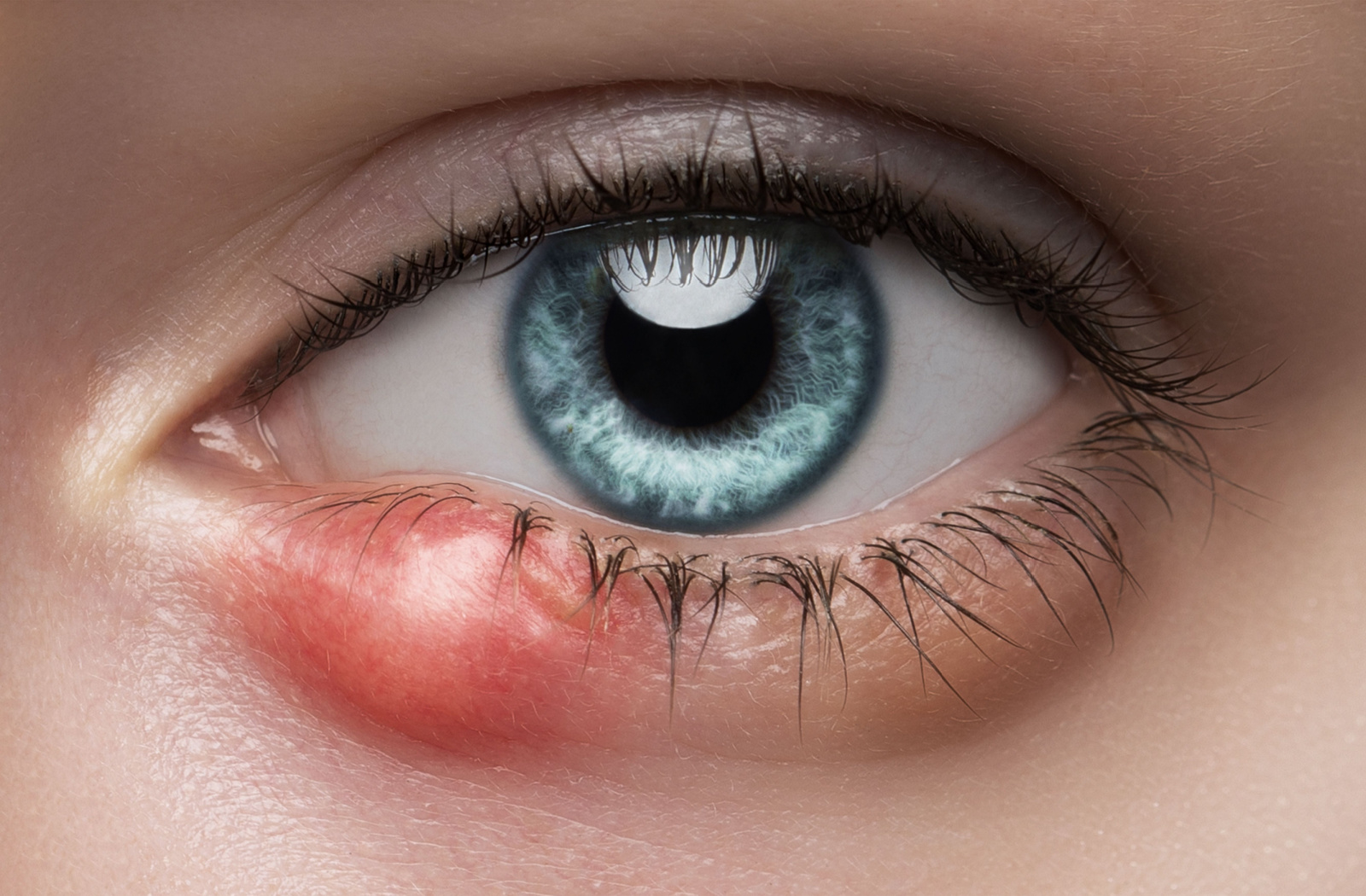
A stye is a painful, red bump that develops near the edge of an eyelid when an oil gland or eyelash follicle becomes inflamed or infected. The swelling can cause tenderness, watering, and discomfort during everyday activities. Hypochlorous acid has gained attention as an ingredient in eyelid hygiene products because of its antimicrobial properties and potential role in supporting a clean eyelid environment. However, hypochlorous acid for styes is not a guaranteed treatment for faster healing. Understanding how this ingredient works, when it may help, and which home care methods have stronger evidence can support safer decisions when managing a stye.
What Is Hypochlorous Acid?
Hypochlorous acid (HOCl) is a substance naturally produced by certain immune cells as part of the body’s defence against microorganisms. In carefully formulated topical products, hypochlorous acid can help reduce microbial contamination on the skin and around the eyelids. Specially designed eyelid sprays are available for cleaning the delicate area around the eyes.
Hypochlorous acid products differ in concentration, formulation, intended use, and application instructions. An eyelid hygiene spray should not automatically be considered suitable for direct application into the eye. Product labels should clearly identify the intended application area and provide appropriate safety directions.
What Causes a Stye?
A stye, also called a hordeolum, commonly develops when an oil gland or eyelash follicle becomes blocked and inflamed, often with bacterial involvement. The condition usually appears as a small, red, tender lump on the eyelid. Some styes develop near the eyelash line, while others form deeper inside the eyelid.
Common symptoms include:
- Localised eyelid swelling and redness.
- Tenderness or pain when touching the affected area.
- A small bump that may contain pus.
- Mild watering or irritation.
- A sensation of discomfort when blinking.
Most uncomplicated styes improve naturally within several days to around one or two weeks. Gentle eyelid care can support comfort while the affected gland heals.
Can Hypochlorous Acid for Styes Speed Up Healing?
Hypochlorous acid may support eyelid hygiene by helping reduce microorganisms and remove surface debris when used according to product instructions. This can be useful for general eyelid cleanliness, particularly when crusting or buildup is present.
However, evidence that hypochlorous acid directly makes an existing stye disappear faster remains limited. A stye can involve a blocked gland and inflammation beneath the skin, which an eyelid cleansing spray may not resolve. For this reason, hypochlorous acid should be viewed as a possible hygiene aid rather than a proven treatment for the underlying blockage.
A warm compress remains a commonly recommended first-line home care measure for an uncomplicated stye. Medical assessment may be necessary if the swelling becomes severe, spreads, or fails to improve.
How Does Hypochlorous Acid Support Eyelid Hygiene?
Hypochlorous acid has antimicrobial activity against various microorganisms under suitable conditions. When incorporated into a properly formulated eyelid product, it can help maintain cleanliness around the eyelid margins.
Potential benefits of suitable eyelid hygiene products include:
- Helping remove surface debris and buildup.
- Supporting a cleaner eyelid margin.
- Assisting with routine eyelid hygiene.
- Providing an option for gentle cleansing when the product is specifically designed for the eye area.
These benefits should not be confused with curing an active stye. Product effectiveness depends on formulation, concentration, intended use, and individual circumstances. Claims that hypochlorous acid eliminates a stye overnight or reliably shortens healing time should be treated cautiously unless supported by relevant clinical evidence.
Warm Compresses: A Common First-Line Treatment
Warm compresses are widely recommended for uncomplicated styes because warmth can help soften material within a blocked gland and encourage natural drainage. This approach also provides soothing relief from local tenderness.
A safe routine involves the following steps:
- Wash hands thoroughly with soap and water.
- Moisten a clean washcloth with comfortably warm water.
- Close the affected eye and gently place the cloth over the eyelid.
- Keep the compress in place for approximately 10–15 minutes.
- Rewarm the cloth as necessary to maintain a comfortable temperature.
- Repeat three to four times daily, using a clean cloth each time.
The compress should never be hot enough to burn the delicate eyelid skin. Squeezing, piercing, or attempting to drain a stye manually can worsen inflammation and spread infection.
How to Use Hypochlorous Acid Safely Around the Eyes
When an eyelid hygiene spray is considered appropriate, careful application helps minimise irritation. Only a product specifically labelled for eyelid or eye-area hygiene should be used near the eyes.
Follow these precautions:
- Read the product label before application.
- Wash hands before handling the bottle or touching the eyelid.
- Follow the manufacturer’s directions for spraying or applying the product.
- Avoid direct contact with the eye unless the product is specifically approved for that use.
- Do not share eye care products or applicators.
- Stop using the product if irritation or an allergic reaction develops.
Hypochlorous acid products are not interchangeable. Household disinfectants, surface cleaners, and other products containing chlorine-related ingredients must never be substituted for a purpose-made eyelid hygiene formulation.
Hypochlorous Acid vs. Other Stye Treatments
Different treatments serve different purposes, and the appropriate option depends on the severity and cause of the eyelid problem.
- Warm compresses: Commonly recommended to encourage natural drainage and relieve discomfort.
- Eyelid hygiene products: May help clean the eyelid margin and remove debris.
- Antibiotics: Sometimes prescribed when a clinician identifies an indication, such as certain associated infections. Antibiotics are not routinely required for every uncomplicated stye.
- Medical drainage: A healthcare professional may consider a procedure when a lesion persists or requires intervention.
Hypochlorous acid may complement an eyelid hygiene routine, but it should not replace an established treatment when medical care is necessary. A persistent lump may also be a chalazion, which is often caused by a blocked oil gland rather than an active infection.
When Should a Stye Receive Medical Attention?
Most minor styes improve without prescription treatment, but certain symptoms require professional assessment. Prompt medical advice is important when swelling spreads across the eyelid or surrounding face, pain becomes severe, or symptoms worsen instead of improving.
Urgent assessment is especially important for changes in vision, pain with eye movement, fever accompanied by spreading redness, or significant swelling around the eye. These symptoms may indicate a problem more serious than a simple stye.
A healthcare professional should also assess a stye that fails to improve after several days of home care, persists for a few weeks, or repeatedly develops in the same area. Early assessment can help identify complications and determine whether additional treatment is appropriate.
The Bye Co.: Supporting a Thoughtful Eyelid Hygiene Routine
The Bye Co. is relevant to consumers researching eye-area hygiene products and gentle approaches to eyelid care. When evaluating a product from the brand, the most important considerations are its verified ingredients, intended use, safety instructions, and evidence supporting its stated benefits. If a product contains hypochlorous acid and is specifically formulated for eyelid hygiene, it may help maintain cleanliness around the eyelids. However, no product should be assumed to cure a stye or shorten healing time without supporting evidence. The Bye Co. can be considered as part of an informed eye care routine, alongside warm compresses and professional guidance when needed.