
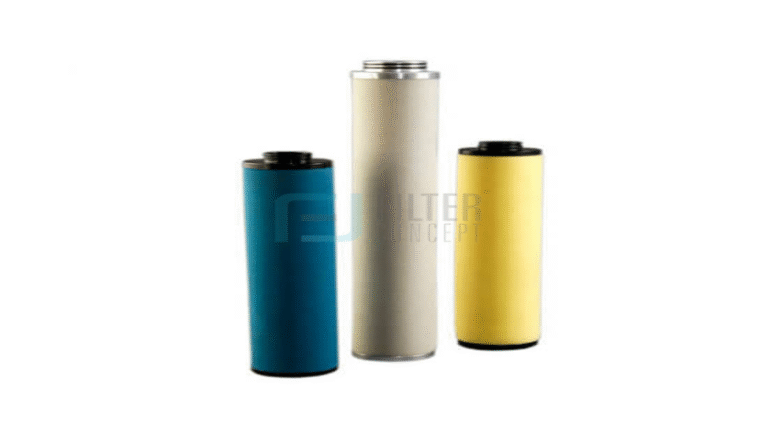
Clean air is essential in both industrial and commercial environments. Whether it is powering pneumatic tools, operating manufacturing machinery, or maintaining indoor air quality, filtration systems play a critical role. Two important components in this process are the Compressed Air Filter and the Air Filter. While both serve the purpose of removing contaminants, they function in different systems and address different challenges.
Understanding how these filters work and why they matter can help businesses improve efficiency, extend equipment life, and maintain healthier working conditions.
Table of Contents
ToggleWhat Is a Compressed Air Filter?
A Compressed Air Filter is a device designed to remove contaminants from compressed air systems. When air is compressed, it often contains unwanted particles such as dust, oil vapors, moisture, and microscopic debris. If these impurities are not removed, they can damage equipment, affect product quality, and reduce system efficiency.
Compressed air is widely used in industries such as:
- Manufacturing
- Automotive workshops
- Food processing plants
- Pharmaceutical production
- Construction sites
In these environments, even minor contamination can lead to serious operational problems. A high-quality Compressed Air Filter ensures that the air delivered through pneumatic systems is clean, dry, and safe for use.
Why Contaminants in Compressed Air Are a Problem
Many people assume that air is naturally clean. However, atmospheric air contains pollutants like dirt, bacteria, moisture, and oil particles. During compression, the concentration of these contaminants increases significantly.
Without proper filtration:
- Pneumatic tools may wear out faster
- Valves and cylinders can malfunction
- Production lines may experience downtime
- Finished products can become contaminated
A reliable Compressed Air Filter prevents these issues by trapping solid particles and separating moisture before the air reaches sensitive equipment.
Understanding the Role of an Air Filter
An Air Filter is typically used in ventilation, HVAC systems, engines, and industrial settings to clean ambient air. Its main function is to remove dust, allergens, pollutants, and airborne particles before air circulates in a space or enters a mechanical system.
Air Filters are commonly found in:
- Air conditioning systems
- Industrial ventilation units
- Vehicles
- Clean rooms
- Residential air purifiers
While a Compressed Air Filter works within a pressurized system, an Air Filter is generally used to maintain indoor air quality or protect machinery from external contaminants.
Key Differences Between Compressed Air Filter and Air Filter
Although both filters improve air quality, their applications and design differ.
1. Operating Environment
A Compressed Air Filter works in high-pressure systems, while an Air Filter usually operates in standard atmospheric conditions.
2. Type of Contaminants
Compressed air systems often deal with oil aerosols, water vapor, and fine particulates. In contrast, an Air Filter mainly removes dust, pollen, and airborne debris.
3. Design and Construction
Compressed Air Filters are engineered to withstand pressure and moisture. Air Filters are built for airflow efficiency and particle capture in ventilation systems.
Understanding these differences helps businesses choose the right filtration solution for their specific needs.
Types of Compressed Air Filters
There are various types of Compressed Air Filter options available, each designed for specific contamination levels.
1. Particulate Filters
These remove solid particles such as rust, dirt, and dust from compressed air lines.
2. Coalescing Filters
Coalescing filters eliminate oil aerosols and fine mist by combining small droplets into larger ones for easy removal.
3. Activated Carbon Filters
These filters absorb oil vapors and odors, ensuring higher air purity for sensitive applications.
Often, multiple filters are installed in stages to achieve optimal results.
Types of Air Filters
Air Filters also come in different forms based on their purpose.
1. HEPA Filters
High-Efficiency Particulate Air filters capture extremely small particles and are commonly used in hospitals and laboratories.
2. Pleated Filters
These are widely used in HVAC systems and provide better surface area for trapping dust.
3. Washable Filters
Reusable and cost-effective, washable filters are ideal for residential and light commercial use.
Selecting the correct Air Filter depends on airflow requirements, environment, and the level of filtration needed.
Benefits of Using High-Quality Filtration Systems
Investing in a premium Compressed Air Filter and Air Filter offers several long-term advantages:
- Improved equipment performance
- Reduced maintenance costs
- Enhanced product quality
- Lower energy consumption
- Better workplace air quality
- Extended lifespan of machinery
Clean air systems reduce strain on compressors and ventilation units, helping businesses operate more efficiently.
Maintenance Tips for Better Performance
To maintain optimal filtration:
- Inspect filters regularly
- Replace clogged or damaged elements on time
- Monitor pressure drop in compressed air systems
- Clean or replace Air Filters according to manufacturer guidelines
Neglecting maintenance can reduce efficiency and increase operational expenses.
Choosing the Right Filter for Your Needs
Before selecting a Compressed Air Filter or Air Filter, consider:
- Type of contaminants present
- Required air purity level
- Operating pressure and flow rate
- Industry standards and regulations
- Maintenance requirements
Consulting with filtration specialists can help determine the most effective solution for your system.
Final Thoughts
Air quality directly impacts equipment reliability, production efficiency, and overall safety. Whether in a factory, workshop, office, or residential space, proper filtration is essential. A high-performance Compressed Air Filter protects industrial systems from contamination, while a dependable Air Filter ensures cleaner and healthier air circulation.
By understanding their roles and investing in quality filtration solutions, businesses can achieve better productivity, lower maintenance costs, and a safer working environment. Clean air is not just a convenience—it is a necessity for sustainable and efficient operations.
Read More Blogs – https://sparkypost.in/