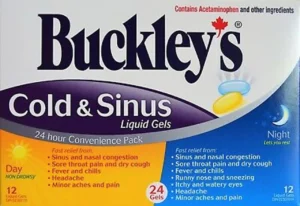
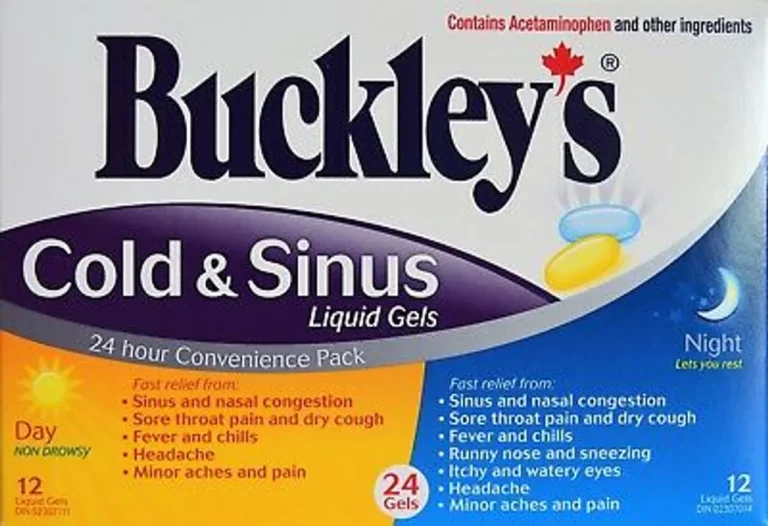
Cold and flu symptoms can disrupt your daily routine, especially when persistent coughing and chest congestion make it difficult to focus, sleep, or even breathe comfortably. Buckley’s Gel Caps are a popular over-the-counter option designed to relieve these uncomfortable symptoms. Manufactured by Buckley’s, these gel capsules provide a convenient alternative to traditional liquid cough syrups.
But when exactly should you use Buckley’s Gel Caps for cough and congestion relief? Understanding the right situations, symptoms, and timing can help you get the most benefit from this medication while using it safely and effectively.
Understanding Cough and Congestion
Before deciding when to use Buckley’s Gel Caps, it helps to understand what cough and congestion actually indicate.
What Causes a Cough?
A cough is your body’s natural reflex to clear irritants, mucus, or foreign particles from your airways. Common causes include:
- The common cold
- Influenza (flu)
- Seasonal allergies
- Sinus infections
- Exposure to smoke or pollutants
Coughs generally fall into two categories:
- Dry cough – Does not produce mucus and often feels irritating or ticklish.
- Wet (productive) cough – Produces mucus and is often associated with chest congestion.
What Is Congestion?
Congestion occurs when nasal passages or chest airways become inflamed and filled with mucus. This can result in:
- A “stuffy” or blocked nose
- Pressure in the sinuses
- A heavy or tight feeling in the chest
- Difficulty breathing comfortably
Buckley’s Gel Caps are typically used when these symptoms are related to a cold or flu.
What Are Buckley’s Gel Caps?
Buckley’s Gel Caps are fast-absorbing capsules formulated to relieve multiple cold symptoms. While the exact ingredients may vary depending on the specific formula (such as Complete, Daytime, or Extra Strength versions), they often contain a combination of:
- A cough suppressant to reduce the urge to cough
- An expectorant to loosen mucus in the chest
- A decongestant to relieve nasal and sinus pressure
- Sometimes a pain reliever or fever reducer
Because they combine multiple active ingredients, they are designed for multi-symptom relief rather than targeting just one issue.
When to Use Buckley’s Gel Caps
1. When You Have a Cold or Flu
The most common time to use Buckley’s Gel Caps is during a cold or flu. If your symptoms include:
- Persistent coughing
- Chest congestion
- Stuffy nose
- Sinus pressure
- Mild fever or body aches (depending on the formula)
These gel caps may provide broad symptom relief.
They are especially useful when your symptoms are interfering with daily activities, work, or sleep.
2. When You Have a Wet, Mucus-Producing Cough
If you feel mucus stuck in your chest and you’re frequently coughing to clear it, you may benefit from an expectorant. Some Buckley’s Gel Cap formulas include ingredients that help:
- Thin and loosen mucus
- Make coughing more productive
- Reduce that heavy, tight chest feeling
Use them when congestion feels thick and difficult to clear, but avoid suppressing a productive cough excessively unless the formula is specifically intended for multi-symptom relief.
3. When Congestion Causes Sinus Pressure
Sinus congestion can lead to facial pressure, headaches, and blocked nasal passages. If your symptoms include:
- Pain around the eyes or forehead
- Nasal blockage
- Difficulty breathing through your nose
A decongestant-containing formula may help reduce swelling in nasal passages and improve airflow.
This can be especially helpful during the first few days of a cold when sinus pressure is at its peak.
4. When You Prefer Capsules Over Liquid Syrups
Some people dislike the taste or texture of cough syrups. Gel caps offer:
- A tasteless alternative
- Easy portability
- Measured dosing
- Less mess compared to liquid medicine
If you want a more convenient format without sacrificing multi-symptom relief, Buckley’s Gel Caps may be a suitable option.
5. When Symptoms Disrupt Sleep (With the Right Formula)
Nighttime coughing and congestion can severely disrupt rest. Some versions of Buckley’s products are formulated for nighttime use, while others are designed specifically for daytime use.
If your cough is keeping you awake, check whether the formula:
- Contains a cough suppressant
- Is labeled safe for nighttime use
- Does not contain stimulating decongestants that may interfere with sleep
Always verify whether you’re using a daytime or nighttime version to avoid unwanted effects.
When You Should NOT Use Buckley’s Gel Caps
Knowing when not to use them is just as important.
1. If You Only Have a Mild, Occasional Cough
If your cough is mild and not accompanied by congestion or other symptoms, you may not need a multi-symptom product. Using combination medications unnecessarily exposes you to ingredients you don’t need.
In such cases, a single-ingredient cough remedy or simple home care (hydration, honey, rest) may be sufficient.
2. If You Have Chronic Respiratory Conditions
People with conditions such as:
- Asthma
- Chronic bronchitis
- COPD
Should consult a healthcare professional before using combination cold medications. Some ingredients may not be appropriate for certain respiratory conditions.
3. If You Have High Blood Pressure
Many decongestants can raise blood pressure or heart rate. If you have hypertension or cardiovascular concerns, consult your healthcare provider before using any decongestant-containing formula.
4. If You Are Taking Certain Medications
Buckley’s Gel Caps may interact with:
- MAO inhibitors
- Certain antidepressants
- Other cold and flu medications
- Blood pressure medications
Avoid combining multiple cold medicines unless advised by a healthcare professional, as this can lead to accidental overdose of similar active ingredients.
How Long Should You Use Buckley’s Gel Caps?
In general, over-the-counter cold medications are intended for short-term use.
Use Buckley’s Gel Caps:
- For temporary relief during active cold or flu symptoms
- Typically no longer than 5–7 days unless directed otherwise
If symptoms persist beyond a week, worsen, or are accompanied by high fever, chest pain, or shortness of breath, seek medical attention.
Signs You Should See a Doctor Instead
While Buckley’s Gel Caps can help manage typical cold symptoms, certain warning signs require medical evaluation:
- Cough lasting more than three weeks
- Coughing up blood
- Severe chest pain
- High fever that does not improve
- Shortness of breath or wheezing
These symptoms may indicate something more serious than a common cold.
Tips for Maximizing Relief
To get the best results when using Buckley’s Gel Caps:
Follow the Recommended Dosage
Always read and follow the label instructions. Taking more than recommended does not speed recovery and can increase the risk of side effects.
Stay Hydrated
Drinking fluids helps thin mucus, making expectorants more effective.
Rest
Medication can relieve symptoms, but your immune system still needs rest to fight off infection.
Avoid Alcohol
Alcohol can increase drowsiness and interact negatively with certain ingredients.
Possible Side Effects
Like all medications, Buckley’s Gel Caps may cause side effects, depending on the formula. These may include:
- Drowsiness
- Dizziness
- Dry mouth
- Nervousness
- Increased heart rate
Most side effects are mild and temporary, but discontinue use and seek medical advice if you experience severe reactions.
Final Thoughts
Buckley’s Gel Caps can be a convenient and effective solution when you’re dealing with cough and congestion caused by a cold or flu. They are best used when symptoms are moderate enough to disrupt daily activities, involve mucus buildup, or include sinus pressure.
However, they are not intended for long-term use, chronic respiratory conditions, or serious infections. Understanding when to use them — and when to seek medical advice — ensures you get safe, appropriate relief.
If you’re ever unsure whether Buckley’s Gel Caps are right for your specific symptoms, a pharmacist or healthcare provider can help guide your decision.