Imagine gliding across glassy Pacific waters on a luxury catamaran, the winter sun warming your shoulders as a massive humpback whale breaches just 30 feet starboard—her snowy flukes slapping the surface like applause, her calf spyhopping curiously nearby. The captain cuts the engine, champagne flutes tinkle, and your group falls silent in awe. This isn’t just any Cabo moment; it’s January at its absolute finest, when weather, wildlife, and yacht conditions converge in pure magic. Welcome to the ultimate guide on the best time to visit Cabo, where I’ll break down weather patterns, whale migration peaks, optimal yacht seasons, and insider strategies to maximize your Boat Trips Los Cabos sea adventure.
I’ve spent countless winters chasing these experiences firsthand—from dawn whale watches to golden-hour sunset sails—with crews who read ocean swells like novels. Whether you’re dreaming of family charters, romantic escapes, or adrenaline-fueled snorkel trips, timing is everything. One wrong month means rough seas or empty oceans; the right one delivers generational memories. Let’s navigate Cabo’s calendar together, tailored for boat lovers who crave the ultimate marine symphony.
Table of Contents
ToggleCabo’s Climate Calendar: Desert Meets Deep Blue
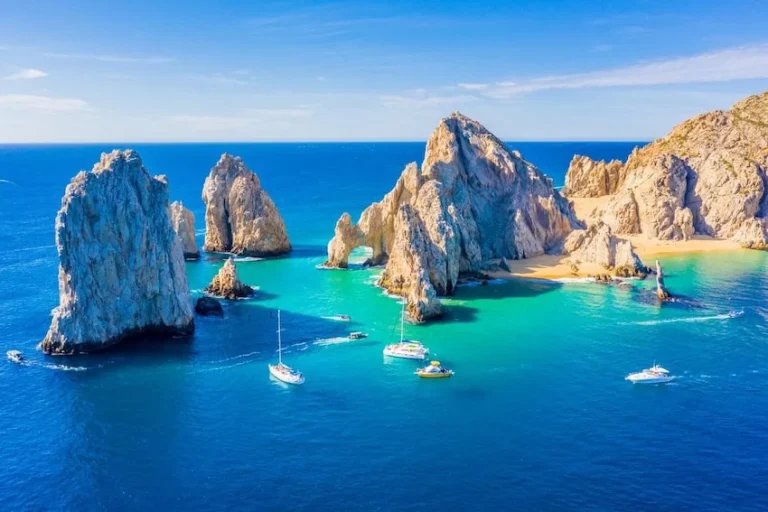
Los Cabos sits at the tip of Baja California, where arid desert crashes into nutrient-rich Pacific currents, creating a microclimate unlike anywhere else. Winter (November-May) brings postcard perfection: daytime highs of 75-85°F, chilly evenings perfect for deckside bonfires, and water temps hovering 72-80°F—ideal for jumping off yachts at Lover’s Beach or anchoring in calm Chileno Bay. Rainfall? Virtually zero (less than 2 inches annually in dry season). Swells stay under 4 feet, making El Arco cruises smooth as silk.
Summer flips the script: June-October spikes to 90-105°F with rising humidity, turning pools into saunas. Hurricane season peaks July-September, with 5-10 tropical storms churning 8-12ft swells that keep luxury yachts docked. But shoulder months shine—late fall (October-November) and early summer (May-June) offer 80-90°F warmth, fewer tourists, and resort rates 40% below peak. For boat trips, these are goldmines: glassy mornings for snorkeling, vibrant sunsets without the crowds.
What elevates Cabo beyond beach towns? The whale superhighway. Every winter, 15,000+ humpbacks migrate 3,000 miles from Arctic feeding grounds to breed in Baja’s warm shallows. Peak sightings (95% guarantee) run mid-December to mid-April, with January-February delivering calves, breaches, and lobtailing spectacles. Boat Trips Los Cabos positions vessels on migration corridors for front-row seats—something landlubbers can only dream of.
December-April: The Whale Watching Golden Window
If there’s a “best time to visit Cabo” for marine magic, it’s this stretch. Crystal-clear skies, gentle 2-4ft swells, and whale pods everywhere turn every charter into wildlife documentary footage.
December: Early Arrivals and Holiday Serenity
Mid-December marks the vanguard: Scout whales appear first, their blows visible miles offshore. Air temps hit 77°F, seas mirror-calm for tender drops at hidden coves. Marina holiday lights twinkle as luxury yachts decked in wreaths glide past migrating moms-to-be. Crowds haven’t peaked yet—snag shoulder-season deals on private charters. Boat Trips Los Cabos runs festive “Whale Welcome” sails with hot buttered rum and storytelling captains sharing migration lore passed down generations.
January-February: Breach Bonanza and Peak Calf Season
The undisputed sweet spot. Days average 78-80°F, water 76°F—perfect for post-whale snorkel dips amid parrotfish clouds. Males belt underwater serenades (hydrophones pick them up crystal clear), while mothers coach newborns in breaches and spyhops. Expect 4-6 sightings per hour; I’ve witnessed “superpods” of 20+ whales bubble-net feeding right beside the boat. Boat Trips Los Cabos’ PADI captains know down-current sweet spots, positioning guests for ethical, unobstructed views. Pro tip: Book Valentine’s Day charters—humpbacks “sing” love songs all day.
March-April: Playful Calves and Grand Finale
Toddlers take center stage: Month-old calves tail-slap like puppies, breaching 30 feet high with joyful flops. April’s 82°F warmth signals northward departure—farewell frenzy packs drama. Swells occasionally nudge 5ft, but experienced crews hug protected bays. Extended season dodges spring breakers; yacht rates dip 20%. Families love this window: Calves entertain kids while adults sip sunset margaritas.
Whale stats don’t lie: Official Baja California Tourism reports 95% sighting success Dec15-Apr15, with January logging peak density. Boat Trips Los Cabos guarantees sightings or free rescheduling—confidence born from 20+ years tracking migrations.
Shoulder Seasons: Yacht Value and Uncrowded Bliss
Savvy travelers know peaks mean premiums. Enter October-November and May-June: Weather nearly matches high season (80-88°F), seas calmer than summer, and yachts 30-50% off.
Late October-November: Post-Storm Clarity and Reef Revival
Hurricanes fade, leaving 82°F water visibility at 100ft—neon corals explode at Chileno and Santa Maria. Manta rays ballet in currents; eagle rays somersault through sunbeams. Fewer yachts mean Santa Cruz Island anchorages feel private. Boat Trips Los Cabos launches “Reef Reawakening” snorkel sails; I’ve surfaced to dolphins bow-riding our wake. November teases early whales—double dip bonus.
May-June: Turtle Nesting and Dorado Runs
85°F days warm seas to 81°F, launching sea turtle hatchlings (ethical night watches available). Dorado fishing erupts—cast from yacht decks for line-screaming fights. Pre-summer calm perfects paddleboard yoga at Divorce Beach. Shoulder pricing slashes multi-day charters; perfect for extended escapes before July heat. Boat Trips Los Cabos sweetens deals with complimentary paddleboards, fishing gear.
Both windows deliver glassy anchorages mornings, fiery sunsets evenings—prime for private catamaran sunset cruises.
Summer Reality Check: When Boats Stay Docked
June-October seduces with 90°F+ heat and slashed hotel rates, but ocean lovers beware. Humidity climbs 70%, daily thunderstorms pop afternoons. Worse: Hurricane season brews 8-12ft swells, canceling 25% of offshore tours. Luxury yachts rarely venture past marina breakwaters; snorkel dreams become pool floats.
Historical data shows July-September averaging 5 tropical storms—insurance pauses high-seas charters. Savings evaporate with refunds. Skip unless margarita marinades appeal more than marine life. Boat Trips Los Cabos runs protected bay cruises, but true adventurers wait for winter.
Smart Booking Strategies: Turn Timing into Treasure
Master Cabo like a local captain:
- Whale Peak Lock-In: Reserve Jan15-Feb15 by Thanksgiving—guaranteed calves, minimal swell.
- Shoulder Sweet Spots: Nov1-15 (reef renaissance) or May1-15 (turtle time) slash charters 35-45%.
- Family Formulas: March avoids February premiums; April calves entertain kids.
- Flexibility First: Free 48-hour weather cancels beat rigid operators.
- Private Power: 8-12 guest costs less/head than shared tours.
- Pack Smart: Rash guards, reef-safe sunscreen (Mex regulations), binoculars for whales.
Boat Trips Los Cabos bundles round-trip SUVs from Cabo Airport, PADI gear, premium snacks—logistics vanish. 24/7 WhatsApp confirms sightings live.
Conclusion: Your Cabo Sea Saga Starts Now
From December’s pioneering pods to April’s acrobatic farewells, May’s neon reefs to November’s golden sunsets, Cabo’s best times craft ocean odysseys money can’t buy. Peak whales steal January-February spotlights under flawless skies; shoulder seasons reward savvy sailors with uncrowded perfection and unbeatable yacht values. Skip summer’s stormy roulette—embrace marine majesty instead.