
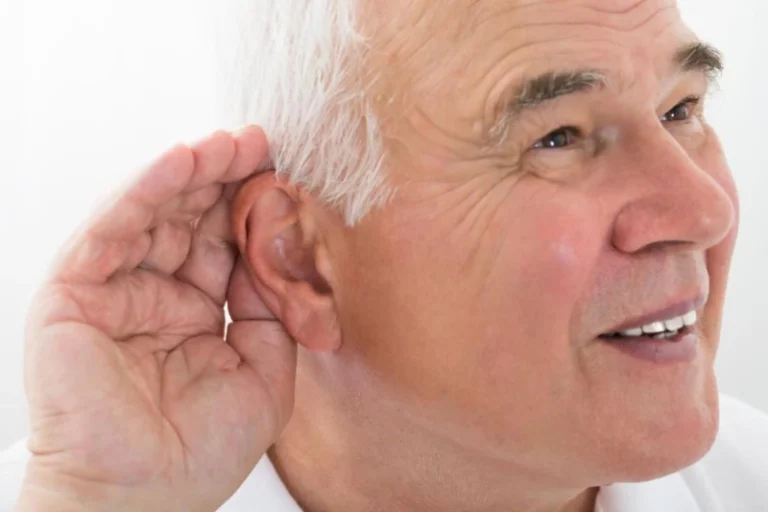
Hearing is one of the most powerful senses we rely on every moment of our lives. From having conversations with loved ones to listening to music, work meetings, or even noticing sounds around us, hearing helps us stay connected with the world.
Mixed hearing loss can develop gradually or suddenly depending on the cause. Some people experience it due to infections or structural issues in the ear, while others may have nerve-related damage caused by aging, loud noise exposure, or genetic factors. With timely detection and proper guidance from specialists or trusted centres like a hearing aid centre Trichy, one can manage hearing difficulties effectively and improve day-to-day communication.
This guidebook on mixed hearing loss explains, in simple terms, its causes, symptoms, diagnosis, treatment options, prevention tips, and ways of living that make life easier.
What is mixed hearing loss?
Mixed hearing loss includes a combination of two types of hearing disorders that happen together:
Conductive Hearing Loss: A problem in the outer or middle ear in which sound fails to conduct through appropriately.
Sensorineural Hearing Loss: It involves the damage of the inner ear, or the cochlea, which is responsible for carrying sound signals to the brain.
This is referred to as mixed hearing loss when both these processes happen together.
Individuals may experience difficulty hearing low-volume sounds, struggle when there is background noise, or have feelings that others are mumbling.
Combined Hearing Loss: What Causes It? – Significant Causes
Mixed hearing loss can result from several factors. In many scenarios, it results when left-over or unmanaged conductive factors create further damage over some period or when age-related or noise-induced damage adds on to an already affected middle ear.
These are the common causes:
1. Ear Infections
Chronic or recurring middle ear infections result in the deposition of fluid in the area behind the eardrum, while neglected cases may thicken the eardrum, damage small bony pieces of the ear, and even affect nerves inside the ear.
2. Impaction of Cerumen
A thick build-up of wax can block sound waves from entering the ear. Although this starts as conductive hearing loss, long-term blockage and pressure may initiate sensorineural changes in some instances.
3. Ruptured Eardrum
Injury to the eardrum from cotton buds, loud blasts, or accidents may tear it. Unless the inner ear is also affected, mixed hearing loss may then follow.
4. Aging
The inner ear nerves naturally weaken with age. Besides this, if wax blockage or stiffening of the bones also sets in, a mixed manifestation of hearing difficulty arises.
Abnormalities of the Auditory Ossicle
Conditions like stiffening of ear bones, growth of abnormal tissue, or bone disorders may reduce sound vibration and also affect inner ear functioning.
Each person’s cause may vary, which is why early diagnosis can make treatment easier and more effective.
Symptoms of Mixed Hearing Loss
The symptoms begin mildly and often are passed off as normal aging or a temporary blockage. Over some time, with increased listening effort, frustration or social withdrawal may result. Earlier the recognition of symptoms, better the management.
Common symptoms include:
- Not hearing conversations quite as clearly
- Difficulty hearing soft sounds, such as whispers or phone notifications.
- Feeling like people are talking unclear or mumbling
- Turning up TV and music volume often
- Difficulty hearing in noisy background situations; for example, restaurants or functions
- asking others to repeat quite often
- Ringing or buzzing sound in ears (tinnitus)
- Ear pain or pressure due to infection or fluid.
- Dizziness or loss of balance, sometimes
- Difficulty understanding voices of children or females due to the high pitch
If symptoms persist for weeks or are progressive, expert consultation is strongly advised.
Diagnosis – How Mixed Hearing Loss is Identified
Diagnosis includes the study of both conductive and sensorineural components. Specialists usually perform:
- Examination of the ear canal and eardrum
- Hearing threshold tests
- Tuning fork or sound conduction tests
- Middle ear function tests
- Speech intelligibility testing
This is to determine which part of the individual’s ear is damaged and the extent of the damage. According to the degree of loss, respective treatment or hearing support options may be recommended.
Management of Mixed Hearing Loss
Treatment ranges with the cause and seriousness. As there are two components in mixed hearing loss, management may focus first on treating the conductive problem and then work on improving nerve-related sound processing.
1. Medical Attention
If there is an infection, allergy, or fluid buildup, medication can reduce swelling and restore middle ear function.
2. Ear Wax Removal
Professional cleaning can ensure immediate improvement, when blockages are the case.
3. Hearing Aids
When there is permanent nerve-related loss that remains after treating conductive problems, hearing aids are many times the best support. They not only amplify sound but also improve speech clarity, reduce listening effort during conversations.
Many people also compare the hearing aid price in Chennai and other cities to choose models that fit both their hearing range and budget. Today, hearing aids come in smart designs — invisible, behind-the-ear, Bluetooth enabled, rechargeable, and more — making them comfortable and user-friendly.
4. Therapies & Auditory Training
After the commencement of hearing aid usage, some may require listening practice and speech clarity training for smooth adaptation to the sounds.
COPING WITH MIXED HEARING LOSS – SOME PRACTICAL TIPS
Hearings loss does not need to be a constraint on lifestyle. Awareness and appropriate practices make communication easier.
Try the following:
- Avoid background noises while speaking.
- Face people when speaking, as lip reading can aid hearing.
- Use closed-captions with movies or videos played on a television.
- Avoid inserting cotton buds or any other sharp objects into the ears.
- Wear protective earplugs when in noisy places.
- Try to avoid noisy corners at public places.
- If using headphones, keep volume moderate.
- Attend regular follow-up hearing checks
- Stay socially active; stay connected.
Little changes in our life give a lot of comfort while doing daily tasks.
Can Mixed Hearing Loss Be Prevented?
Not every cause is preventable, but several habits can lower risk and protect long-term hearing: Treat ear infections promptly Keep the ears clean. Avoid loud sounds for a few hours. Rest ears after noisy environments. However, with early recognition, proper diagnosis, and timely treatment, individuals can lead a clear, confident, and joyful hearing life. From medical care and wax removal to advanced hearing aids, several options are available today to improve sound perception and communication abilities.
Listening is a precious sense — nurturing it with care, awareness, and professional guidance ensures better hearing health for years to come. If someone notices difficulty in hearing or finds conversations stressful, approaching a specialist or a trustworthy support centre can make life easier and more connected.