
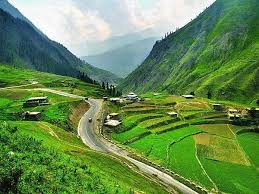
Exploring Pakistan’s mountains, remote landscapes, and rugged tracks is an unforgettable experience, especially in iconic northern regions like Fairy Meadows, where trekking routes pass beneath towering peaks and off-road trails lead through raw wilderness. From high-altitude hikes to challenging 4×4 adventures, these journeys often take travelers far from cities and modern facilities. In such conditions, hiring a local guide is not just helpful—it can be essential for safety, navigation, and cultural understanding.
This guide explains why local guides matter, how to choose the right one, and practical tips to ensure a safe and rewarding trekking or off-road adventure.
Table of Contents
ToggleWhy Hiring a Local Guide Is Important
Local guides have firsthand knowledge of terrain, weather, routes, and local customs. Their experience can make a big difference, especially in remote regions.
Key benefits of hiring a local guide:
- Better navigation on unmarked trails
- Awareness of weather changes
- Local language communication
- Cultural understanding
- Emergency support
- Time and energy efficiency
In off-road adventures, guides also help identify safe tracks, river crossings, and seasonal route changes.
When You Should Definitely Hire a Guide
While some popular trails may be manageable independently, there are situations where a guide is strongly recommended.
You should hire a guide if:
- The route is remote or high-altitude
- Trails are poorly marked
- You are trekking for multiple days
- Weather conditions are unpredictable
- You are new to off-road driving
- Local permissions are required
For beginners especially, a guide reduces risk and increases confidence.
Types of Local Guides for Adventure Travel
Understanding the role of different guides helps you hire the right person.
1. Trekking Guides
They lead hiking routes, manage pace, and ensure safety on trails. Many also arrange campsites and meals.
2. Porters with Guide Experience
Some porters double as guides and help carry equipment while offering route knowledge.
3. Off-Road Jeep Guides
These guides specialize in 4×4 routes and know river crossings, landslide zones, and alternate tracks.
4. Cultural or Village Guides
They focus on local traditions, history, and interactions with communities along the route.
How to Find a Reliable Local Guide
Finding a trustworthy guide requires some research and communication.
Best ways to find local guides:
- Ask locals at guesthouses or hotels
- Get recommendations from other travelers
- Contact local adventure communities
- Hire through registered guide associations
- Use local tourism offices in major towns
Avoid hiring someone without verifying experience, especially for long or difficult routes.
Questions to Ask Before Hiring a Guide
Before finalizing, ask clear and practical questions.
Important questions include:
- How many years of experience do you have?
- Have you guided this route before?
- What safety training do you have?
- Can you handle emergencies?
- What is included in the fee?
- Do you speak basic English or another common language?
A confident and clear guide will answer without hesitation.
Checking Experience and Local Knowledge
A good guide should know:
- Trail conditions and shortcuts
- Seasonal weather patterns
- Safe water sources
- Campsite locations
- Wildlife risks
- Cultural norms of nearby communities
For off-road routes, they should understand:
- River depth changes
- Landslide-prone areas
- Fuel stops
- Vehicle recovery techniques
Experience matters more than formal certificates in remote regions.
Understanding Costs and Payments
Guide fees vary depending on region, route difficulty, and duration.
General cost factors:
- Number of days
- Route difficulty
- Inclusion of meals or equipment
- Language skills
- Group size
Payment tips:
- Agree on total cost before starting
- Clarify what’s included
- Avoid paying full amount in advance
- Tip fairly for good service
Fair payment builds trust and supports local livelihoods.
Safety Tips When Trekking with a Local Guide
Even with a guide, personal responsibility matters.
Safety tips:
- Share your itinerary with someone
- Carry basic first aid
- Check weather forecasts
- Follow guide instructions
- Don’t rush the pace
- Stay hydrated
A professional guide prioritizes safety over speed.
Off-Road Adventure Safety Tips with a Guide
Off-road routes can be unpredictable.
Important off-road safety advice:
- Inspect the vehicle before departure
- Carry recovery tools
- Avoid night driving
- Follow the guide’s track choices
- Be patient at river crossings
A skilled local guide knows when to stop, wait, or turn back.
Cultural Respect and Local Etiquette
Local guides help travelers interact respectfully with communities.
Cultural tips:
- Dress modestly
- Ask before taking photos
- Respect prayer times
- Follow local customs
- Be polite and patient
Good behavior strengthens relationships and creates positive travel experiences.
Communication and Language Tips
While many guides speak basic English, clear communication is important.
Tips:
- Use simple language
- Confirm instructions
- Learn basic local phrases
- Use gestures if needed
Mutual understanding prevents confusion and mistakes.
Red Flags to Watch Out For
Avoid guides who:
- Avoid questions
- Demand full payment upfront
- Ignore safety concerns
- Have no route knowledge
- Push risky shortcuts
Trust your instincts—if something feels wrong, look for another guide.
Benefits of Hiring Local Guides for Communities
Hiring local guides:
- Supports local economy
- Encourages sustainable tourism
- Preserves traditional knowledge
- Reduces environmental impact
Responsible travel benefits both visitors and local residents.
Solo Travelers and Guides
Solo travelers especially benefit from guides.
Advantages:
- Increased safety
- Local companionship
- Better navigation
- Cultural insights
A good guide makes solo travel more comfortable and enjoyable.
Final Thoughts
Hiring a local guide for trekking and off-road adventures enhances safety, deepens cultural understanding, and improves the overall experience. Their knowledge of terrain, weather, and communities can turn a challenging journey into a memorable and rewarding adventure.
By choosing experienced guides, communicating clearly, respecting local customs, and prioritizing safety, travelers can explore remote landscapes with confidence and peace of mind.
A reliable local guide is not just a pathfinder—but a key part of the adventure itself.