
Living with long-term knee pain often affects far more than physical movement alone. It can gradually disrupt work routines, limit social interactions, disturb sleep, and reduce overall confidence in daily life. Simple activities such as walking short distances, climbing stairs, standing for extended periods, or getting up from a chair may become increasingly uncomfortable over time. As pain progresses, many individuals begin to avoid movement altogether, which can further weaken the joint and surrounding muscles.
When conservative treatments such as medication, physiotherapy, lifestyle modification, or injections no longer provide adequate relief, patients may start exploring surgical options. One such option is Total Knee Replacement (TKR) Surgery, a well-established procedure designed to relieve pain, restore joint function, and improve overall quality of life.
Table of Contents
ToggleUnderstanding Total Knee Replacement
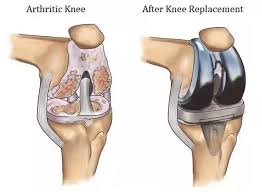
TKR Surgery, also known as total knee arthroplasty, is performed to address significant damage within the knee joint. This damage is commonly caused by conditions such as osteoarthritis, rheumatoid arthritis, long-standing injury, or age-related joint degeneration. Over time, the protective cartilage in the knee wears away, leading to bone-on-bone contact, inflammation, stiffness, and persistent pain.
During TKR Surgery, the surgeon carefully removes damaged cartilage and bone surfaces and replaces them with artificial components made of metal alloys and high-grade medical plastics. These components are designed to mimic the natural movement of the knee joint and provide smoother, more stable motion. The objective of the surgery is not to create a “perfect” knee, but to significantly reduce pain and restore functional movement.
Relief From Long-Term Knee Pain
Chronic knee pain can be physically exhausting and emotionally draining. Persistent discomfort often interferes with sleep, concentration, mood, and daily routines. TKR Surgery helps relieve this pain by removing the damaged joint surfaces that cause friction, swelling, and inflammation.
As pain levels decrease, many patients report a noticeable improvement in their ability to stay active throughout the day.
Improved Mobility and Joint Movement
Before surgery, knee stiffness and restricted movement can severely limit mobility. Activities that once felt effortless may become challenging or unsafe. TKR Surgery restores joint alignment and smoothness, enabling better bending and straightening of the knee.
With structured physiotherapy and guided rehabilitation, patients often regain the ability to walk longer distances, climb stairs more comfortably, and move with greater confidence.
Greater Independence in Daily Activities
Loss of independence is one of the most significant concerns for individuals living with chronic knee pain. Tasks such as bathing, dressing, cooking, or performing household chores may require assistance or frequent breaks. After TKR Surgery, many patients experience renewed ease in performing these everyday activities.
Greater independence reduces reliance on family members or caregivers for routine support. This sense of self-sufficiency often improves self-esteem and personal confidence.
Better Sleep and Overall Comfort
Persistent knee pain frequently disrupts sleep, leading to difficulty falling asleep or staying asleep through the night. Poor sleep can result in daytime fatigue, irritability, and reduced ability to cope with daily challenges. TKR Surgery helps improve sleep quality by reducing pain and stiffness, particularly during nighttime rest.
Emotional and Mental Well-being Benefits
Living with constant pain and restricted movement can affect emotional health, leading to frustration, anxiety, or feelings of helplessness. As mobility improves following TKR Surgery, many patients experience a renewed sense of confidence in their physical abilities.
The ability to participate in social activities, maintain routines, and engage in meaningful experiences supports emotional well-being.
The Role of Rehabilitation in Long-Term Outcomes
While surgery is a critical step, long-term success depends heavily on postoperative rehabilitation. Recovery after TKR Surgery includes structured physiotherapy, guided exercises, and gradual progression of activity. Rehabilitation strengthens the muscles surrounding the knee, improves flexibility, and enhances balance and coordination.
Patients who actively participate in their rehabilitation programs tend to achieve better functional outcomes and longer-lasting benefits.
Setting Realistic Expectations After Surgery
Having clear and realistic expectations helps patients prepare both physically and mentally for recovery. TKR Surgery significantly improves comfort and function, but progress is gradual rather than immediate. Recovery timelines vary based on individual health, activity levels, and commitment to rehabilitation.
In addition to physical recovery, ongoing lifestyle adjustments can help protect the new knee joint and maintain long-term results. Maintaining a healthy body weight reduces stress on the knee, while regular low-impact activities such as walking, swimming, or cycling support joint strength and flexibility. Simple habits like using proper footwear, avoiding sudden twisting movements, and following ergonomic techniques during daily tasks can further contribute to joint comfort and durability.
Regular follow-up visits with a healthcare provider also play an important role after TKR Surgery. These appointments allow progress to be monitored, concerns to be addressed early, and rehabilitation plans to be adjusted if needed. With consistent care, realistic expectations, and a commitment to recovery, many individuals find that knee replacement not only restores movement but also allows them to lead a more active, comfortable, and fulfilling life.
Conclusion
Knee problems can gradually limit independence, comfort, and emotional well-being, affecting nearly every aspect of daily life. When pain and stiffness persist despite conservative treatment, Total Knee Replacement Surgery offers a structured and effective approach to restoring mobility and improving quality of life.
By relieving pain, enhancing joint function, and supporting independence, TKR Surgery enables many patients to return to activities they value.