
Tyres play a critical role in vehicle safety, comfort, and performance, yet they are often one of the most neglected components of a vehicle. One of the most common problems faced by two-wheeler, car, and commercial vehicle owners is an unexpected tyre puncture. While sharp objects, rough roads, and wear and tear are often blamed, improper tyre pressure is one of the leading hidden causes behind frequent punctures. By understanding how correct pressure levels protect your tyres, you can significantly reduce breakdowns, repair costs, and safety risks.
Understanding Tyre Puncture and Its Real Causes
A tyre puncture occurs when the tyre’s structure is compromised, allowing air to escape. While nails, glass, or debris are visible culprits, internal stress caused by incorrect air pressure weakens the tyre from within. Over time, this makes the tyre more vulnerable to damage even from minor road hazards.
In many cases, drivers repair punctures repeatedly without addressing the root cause. If the tyre pressure is consistently too low or too high, the tyre experiences uneven stress, increasing the likelihood of repeated punctures and early tyre failure.
Why Tyre Pressure Matters More Than You Think
Maintaining the correct tyre pressure is not just about fuel efficiency or ride comfort. It directly affects the tyre’s ability to absorb shocks, maintain grip, and distribute weight evenly.
When tyres are inflated to the recommended pressure:
- The tyre maintains its correct shape
- Road contact is evenly distributed
- Heat buildup is controlled
- The risk of sudden air loss is reduced
Ignoring proper pressure levels compromises all these factors, making tyres far more prone to damage.
Low Tyre Pressure and Increased Puncture Risk
Low tyre pressure is one of the most common reasons for frequent tyre puncture incidents, especially on uneven or poorly maintained roads. Underinflated tyres flex excessively while driving, causing the sidewalls to weaken.
Key risks of low pressure include:
- Pinch punctures when tyres hit potholes
- Excessive heat buildup leading to internal damage
- Increased chances of sidewall cuts
- Faster tread wear
In two-wheelers, low pressure makes tyres more vulnerable to sharp objects, while in cars and trucks, it increases the risk of sudden blowouts.
Overinflated Tyres Are Equally Dangerous
While low pressure is harmful, overinflation is no safer. Excessively high tyre pressure makes the tyre rigid and less capable of absorbing road shocks. This increases the chances of a tyre puncture when driving over stones, debris, or speed breakers.
Problems caused by overinflation include:
- Reduced contact with the road
- Increased stress on the tyre center
- Higher susceptibility to impact damage
- Uncomfortable and unstable ride
An overinflated tyre behaves like a balloon under pressure, where even a small sharp object can cause immediate damage.
The Role of Road Conditions and Driving Habits
Indian roads present unique challenges, from potholes and uneven surfaces to construction debris. Incorrect tyre pressure magnifies the impact of these conditions. Aggressive driving, sudden braking, and speeding over rough roads further increase stress on tyres.
By maintaining correct pressure levels and adopting smoother driving habits, drivers can significantly reduce tyre puncture incidents and extend tyre life.
How Often Should You Check Tyre Pressure?
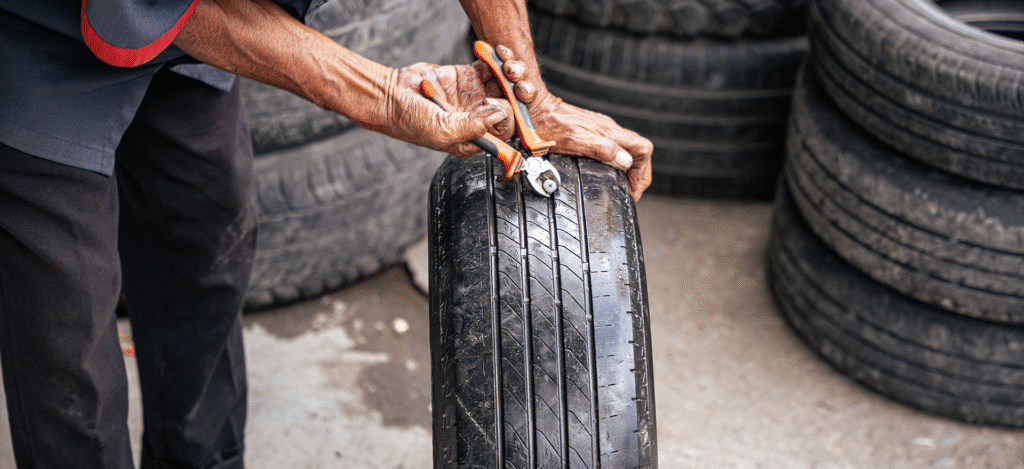
Experts recommend checking tyre pressure at least once every two weeks and before long journeys. Tyres naturally lose air over time, even without visible punctures. Temperature changes also affect air pressure, making regular checks essential.
Tips for accurate pressure checks:
- Measure pressure when tyres are cold
- Follow manufacturer-recommended PSI levels
- Do not rely on visual inspection alone
- Check the spare tyre as well
A simple pressure check takes only a few minutes but can save you from costly repairs and roadside hassles.
Impact on Fuel Efficiency and Tyre Life
Incorrect tyre pressure not only leads to tyre puncture problems, but it also affects fuel efficiency and tyre longevity. Underinflated tyres create more rolling resistance, forcing the engine to work harder and consume more fuel.
Maintaining the right pressure offers:
- Better mileage
- Even tread wear
- Longer tyre lifespan
- Reduced maintenance costs
Over time, these benefits translate into significant savings and improved vehicle performance.
Warning Signs You Should Not Ignore
Certain signs indicate that your tyre pressure may be incorrect and that a tyre puncture could be imminent. These include:
- Vehicle pulling to one side
- Vibrations while driving
- Reduced handling or steering response
- Frequent need for air refills
Ignoring these warnings can lead to sudden tyre failure, putting both the driver and passengers at risk.
Smart Tyre Maintenance Practices
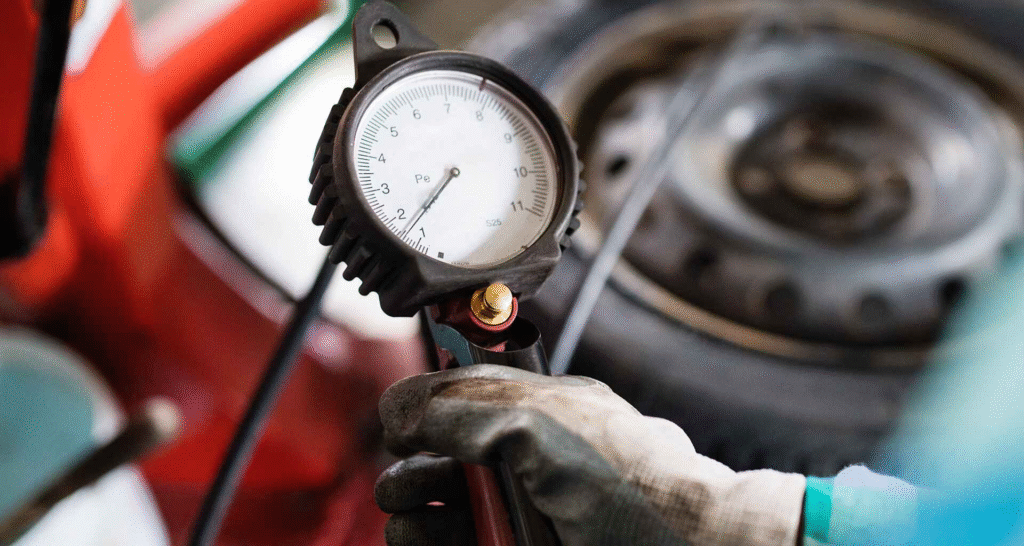
Preventing tyre puncture issues requires a proactive approach. In addition to maintaining proper tyre pressure, drivers should:
- Inspect tyres regularly for cuts or embedded objects
- Avoid overloading the vehicle
- Rotate tyres as recommended
- Replace tyres when the tread depth is insufficient
Simple maintenance habits can dramatically improve safety and reduce unexpected breakdowns.
Conclusion
Managing the right tyre pressure is one of the simplest yet most effective ways to avoid costly tyre puncture issues. Proper inflation protects tyres from internal damage, improves road grip, enhances fuel efficiency, and ensures a safer driving experience. By making regular pressure checks a habit and choosing high-quality tyres designed for Indian road conditions, drivers can enjoy peace of mind on every journey. Trusted brands like Apollo Tyres offer durable and reliable tyre solutions that, when paired with correct maintenance practices, help deliver long-lasting performance, safety, and value for money.