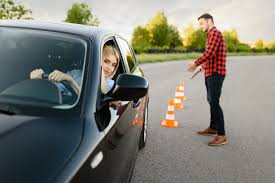
Learning to drive is a significant milestone in anyone’s life, and choosing between manual and automatic cars is often one of the first decisions for new drivers. Automatic driving lessons have become increasingly popular in the UK and worldwide due to their simplicity, ease of use, and reduced learning stress. If you’re considering taking driving lessons, this guide will explore everything you need to know about learning in an automatic vehicle.
Table of Contents
ToggleWhat Are Automatic Driving Lessons?
Automatic driving lessons are structured driving classes where students learn to operate a car with an automatic transmission. Unlike manual cars, which require the driver to change gears using a clutch and gear stick, automatic cars handle gear changes automatically. This allows the driver to focus more on the road, traffic rules, and vehicle control rather than worrying about gear shifts.
Automatic cars are particularly suitable for beginners who want a smoother learning experience or for those who may struggle with the coordination required for a manual car. With an automatic, your feet only control the accelerator and brake, making driving less stressful.
Benefits of Automatic Driving Lessons
- Easier to Learn
One of the most significant advantages of automatic driving lessons is the simplicity. Without the need to operate a clutch or shift gears, learners can focus on steering, observing traffic, and understanding road signs. This makes it easier to gain confidence quickly, especially for nervous drivers. - Quicker Progression
Many learners find they can reach test readiness faster with an automatic car because there are fewer skills to master. This often results in fewer lessons and potentially lower overall costs, despite automatic lessons sometimes being slightly more expensive per hour. - Ideal for City Driving
Automatic cars are particularly convenient for urban areas with frequent traffic jams or stop-start traffic. Since the car handles gear changes, drivers can focus entirely on navigating roads safely, reducing stress in congested areas. - Reduced Risk of Stalling
Stalling is a common issue for beginners learning in manual cars. Automatic cars eliminate this problem because there’s no clutch pedal, so the car won’t stall due to incorrect gear changes, boosting learner confidence. - Accessibility
Automatic vehicles are an excellent option for people with certain physical disabilities or limitations that make operating a clutch difficult. Modern automatic cars are designed with accessibility in mind, making driving possible for a wider range of individuals.
What to Expect in an Automatic Driving Lesson
Automatic driving lessons usually follow a structured format similar to manual lessons, with a focus on fundamental driving skills. Here’s what learners can expect:
- Introduction and Vehicle Familiarization:
In the first lesson, the instructor will explain the car’s controls, including the accelerator, brake, steering wheel, indicators, and dashboard. Learners will also practice starting, stopping, and steering in a safe area. - Basic Driving Skills:
Students will learn essential skills such as moving off, stopping, turning, using mirrors, and understanding road positioning. Since there’s no clutch, learners can concentrate more on observation, speed control, and hazard perception. - Driving on Public Roads:
Once comfortable with basic skills, lessons will progress to driving on public roads. This includes handling traffic, junctions, roundabouts, and different road conditions. - Advanced Skills and Test Preparation:
Later lessons focus on manoeuvres required for the driving test, such as parallel parking, bay parking, and emergency stops. Learners will also practice test routes and mock tests to build confidence.
Costs of Automatic Driving Lessons
While automatic driving lessons can be slightly more expensive per hour than manual lessons, learners often require fewer lessons to reach test standard. Prices vary depending on location and driving school, but on average, an hour of automatic driving tuition can cost between £25 and £35. Many learners opt for intensive courses or block bookings to save money and complete their learning faster.
Automatic Driving Test
If you learn in an automatic car, you will take your driving test in an automatic vehicle. It’s important to note that passing in an automatic car means you will receive an automatic-only licence. You won’t be legally permitted to drive a manual car unless you take a separate test in a manual vehicle.
The driving test itself is similar for both automatic and manual vehicles, covering:
- Eye checks and document verification
- Vehicle safety questions
- Practical driving on public roads
- Manoeuvres such as parallel parking or reversing into a bay
- Independent driving, where you follow road signs or a sat-nav
The key difference is that automatic cars simplify the test by removing clutch control and gear changes, allowing learners to concentrate on safe driving.
Tips for Success in Automatic Driving Lessons
- Stay Calm and Focused:
Automatic cars are easier to drive, but staying attentive to traffic, road signs, and pedestrians is essential. - Practice Regularly:
Frequent practice outside of lessons, if possible with a qualified supervisor, can accelerate learning. - Choose the Right Instructor:
Experienced instructors familiar with teaching automatic learners can provide valuable tips and help build confidence. - Take Mock Tests:
Simulating test conditions before the actual driving test can reduce anxiety and highlight areas needing improvement. - Be Patient:
Every learner progresses at their own pace. Even though automatic lessons are simpler, it’s important to practice consistently and avoid rushing.
Are Automatic Lessons Right for You?
Automatic driving lessons are ideal for beginners, city drivers, and anyone who prefers a less stressful learning experience. They offer quicker progression, easier control, and a smoother learning curve compared to manual lessons. However, if you eventually want the flexibility to drive both automatic and manual cars, learning in a manual car may be a better long-term choice.
In conclusion, automatic driving lessons provide a practical and accessible route to gaining your UK driving licence. By removing the complexity of gear changes, learners can focus on essential driving skills, gain confidence faster, and enjoy a more relaxed learning experience. Whether you’re a complete beginner or someone looking for an easier way to learn, automatic driving lessons could be the perfect option for starting your driving journey.