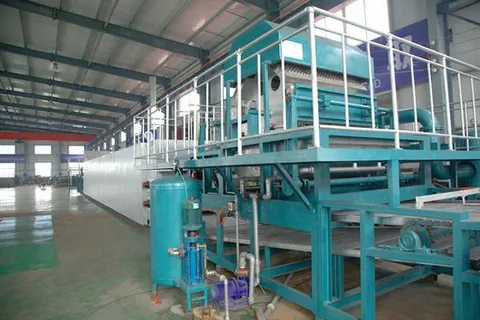
The global push for sustainable packaging has significantly influenced the growth of the Rotary Pulp Molding Machine market. With rising environmental concerns and stringent government regulations against single-use plastics, industries are shifting toward eco-friendly alternatives such as molded pulp products. These machines, capable of producing trays, plates, cups, and protective packaging, are increasingly seen as essential equipment for manufacturers aiming to meet consumer demand for sustainable solutions. The trend is driven not only by environmental awareness but also by the cost-efficiency and high production speed offered by rotary pulp molding technology.
Additionally, the demand for Rotary Pulp Molding Machines is fueled by their versatility. Manufacturers can produce a wide range of products with minimal tooling changes, allowing businesses to respond quickly to changing market requirements. The machines’ ability to automate production reduces labor costs and increases overall productivity, making them an attractive investment for companies in the packaging, food, and electronics industries
Table of Contents
ToggleRising Demand for Eco-Friendly Packaging
The increasing global emphasis on sustainability is a key driver for the Rotary Pulp Molding Machine market. Businesses are adopting biodegradable packaging to reduce plastic waste, comply with environmental regulations, and improve their brand image. With consumers becoming more environmentally conscious, packaging that is compostable and made from recycled materials has become a priority. This shift is prompting manufacturers to invest in advanced pulp molding technologies that can produce high-quality, eco-friendly packaging efficiently.
Moreover, sectors such as food and beverage, electronics, and pharmaceuticals are embracing molded pulp packaging as a practical alternative to traditional materials. Products like egg trays, cup carriers, and protective packaging for electronics are now commonly manufactured using rotary pulp molding machines. This trend is expected to accelerate as governments worldwide continue implementing policies to phase out plastic packaging, opening new growth opportunities for manufacturers and suppliers in the pulp molding industry.
Technological Advancements in Pulp Molding
Technological innovation is reshaping the Rotary Pulp Molding Machine market. Modern machines are designed to improve production efficiency, minimize waste, and reduce energy consumption. Features such as automatic dewatering, fast drying systems, and precision molding have enhanced the machines’ performance, allowing manufacturers to produce more complex shapes and higher volumes in less time. These innovations are making rotary pulp molding a more cost-effective and scalable solution for large-scale production.
In addition, integration with smart manufacturing and Industry 4.0 technologies is becoming a significant trend. Manufacturers are incorporating sensors and automation systems to monitor production processes in real-time, optimize machine performance, and reduce downtime. Such advancements not only improve product quality but also contribute to sustainability goals by reducing material waste and energy consumption, thereby reinforcing the market appeal of rotary pulp molding machines.
Regional Market Insights
Asia-Pacific currently dominates the Rotary Pulp Molding Machine market, driven by the growing packaging industry and high consumer demand for sustainable products. Countries like China and India are investing heavily in pulp molding technology to support their booming food and e-commerce sectors. Affordable labor and government incentives for eco-friendly manufacturing further accelerate market growth in this region. Manufacturers in Asia-Pacific are also focusing on exporting molded pulp products, contributing to the global expansion of rotary pulp molding applications.
Meanwhile, North America and Europe are witnessing steady market growth due to strict environmental regulations and rising consumer awareness regarding plastic pollution. Companies in these regions are upgrading their production lines with high-speed rotary pulp molding machines to meet the demand for biodegradable packaging. As regulations tighten and the push for sustainable alternatives continues, the market for rotary pulp molding equipment is expected to maintain strong growth globally.
Competitive Landscape and Key Players
The Rotary Pulp Molding Machine market is becoming increasingly competitive as more manufacturers enter the space to capitalize on the eco-friendly packaging trend. Leading players are investing in research and development to offer machines with better efficiency, versatility, and energy-saving features. Strategic collaborations and partnerships are also common, aimed at expanding production capabilities and entering new geographical markets.
Additionally, smaller companies and startups are introducing innovative solutions to target niche applications such as customized molded pulp products for electronics and medical packaging. This dynamic competition is driving the market forward by improving machine performance, lowering costs, and increasing accessibility for small and medium-sized manufacturers. As a result, businesses investing in rotary pulp molding technology can stay ahead of the curve and gain a competitive edge in the sustainable packaging market.
Future Outlook and Opportunities
The future of the Rotary Pulp Molding Machine market looks promising, with continued growth driven by the rising global demand for eco-friendly packaging solutions. Market analysts predict increased adoption of advanced, high-speed machines capable of producing complex shapes and higher output with minimal energy consumption. Industries such as food, electronics, and healthcare are expected to expand their use of molded pulp products, presenting new opportunities for machine manufacturers.
Moreover, the emphasis on sustainability will likely lead to further innovations in pulp molding technology. Emerging trends such as digital manufacturing, artificial intelligence integration, and renewable material usage are set to redefine the market landscape. Companies that invest in these technologies will not only improve operational efficiency but also strengthen their position as leaders in the growing sustainable packaging industry, ensuring long-term market relevance.