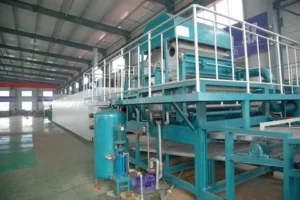
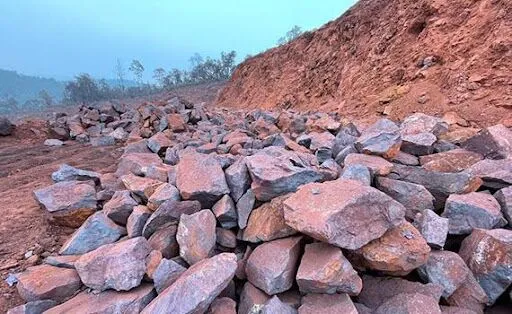
India’s steel industry is one of the strongest pillars of the nation’s industrial growth. At the core of this ecosystem lies sponge iron, a crucial raw material used in steelmaking. Over the years, sponge iron companies in India have played a significant role in strengthening domestic steel production by reducing dependence on imports and supporting sustainable manufacturing practices. Closely linked to this growth is iron ore production in India, which provides the essential raw material needed to keep sponge iron plants operational and competitive.
This guide offers a comprehensive overview of the sponge iron sector in India, its connection with iron ore production, and the factors shaping its future.
Understanding Sponge Iron and Its Importance
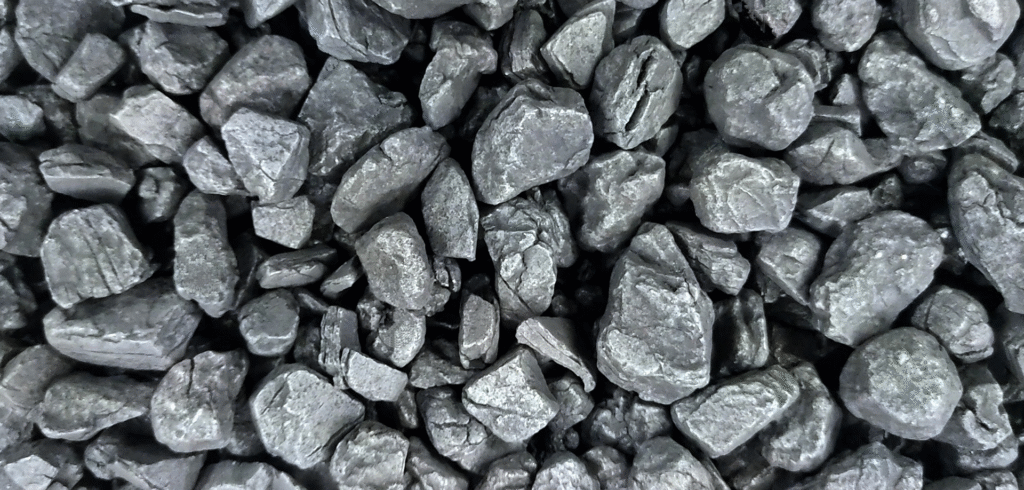
Sponge iron, also known as direct reduced iron, is produced by reducing iron ore in its solid form using a reducing gas or coal. Unlike traditional blast furnace processes, sponge iron production does not require melting the ore, making it more energy-efficient and suitable for smaller steel plants.
The growing demand for steel in construction, infrastructure, and manufacturing has increased the importance of sponge iron as a reliable and flexible input material. As a result, sponge iron companies in India have expanded their capacities to meet the needs of both electric arc furnace and induction furnace-based steel producers.
Growth of Sponge Iron Companies in India
India is among the world’s largest producers of sponge iron, largely due to the availability of natural resources and a strong domestic steel market. Sponge iron companies in India range from large integrated steel producers to medium-sized manufacturers supplying regional markets.
The rise of these companies has been driven by factors such as increased infrastructure spending, urban development, and government initiatives promoting domestic manufacturing. Many sponge iron producers are strategically located near iron ore mines and coal sources, allowing them to optimize logistics and control production costs.
Over time, the sector has evolved with improved technologies, better quality control, and a stronger focus on environmental compliance.
Overview of Iron Ore Production in India
The success of sponge iron manufacturing is closely tied to iron ore production in India. India possesses abundant iron ore reserves, primarily in states such as Odisha, Chhattisgarh, Jharkhand, Karnataka, and Goa. These regions form the backbone of the country’s iron ore supply chain.
Iron ore production in India supports not only sponge iron plants but also integrated steel mills and export markets. The availability of high-grade iron ore enables manufacturers to maintain consistent quality and improve overall efficiency.
Government policies, mining reforms, and auction-based allocation of mining leases have brought greater transparency and stability to the iron ore supply. This has had a positive impact on sponge iron producers, ensuring more predictable access to raw materials.
The Interdependence Between Sponge Iron and Iron Ore
The relationship between sponge iron manufacturing and iron ore production in India is deeply interconnected. Any disruption in mining operations, transportation, or regulatory approvals can directly affect sponge iron output.
High-quality iron ore with consistent chemical composition is essential for producing sponge iron with optimal metallurgical properties. This dependence encourages sponge iron manufacturers to collaborate closely with mining companies or invest in captive iron ore sources.
As iron ore production in India becomes more regulated and technology-driven, sponge iron producers benefit from improved traceability, quality assurance, and long-term supply stability.
Technology and Process Improvements
Modern sponge iron companies in India are increasingly adopting advanced production technologies to improve efficiency and reduce environmental impact. Rotary kilns, improved refractory materials, and automated control systems have enhanced productivity and reduced energy consumption.
Process optimization also allows manufacturers to use lower-grade iron ore more effectively, reducing pressure on high-grade reserves. This is particularly important in the context of sustainable iron ore production in India, where conservation of resources is becoming a national priority.
Environmental and Sustainability Considerations
Environmental responsibility has become a critical focus for the sponge iron industry. Sponge iron companies in India are required to comply with strict emission norms, waste management regulations, and energy efficiency standards.
Many manufacturers are investing in waste heat recovery systems, improved dust collection, and alternative fuel usage to reduce their carbon footprint. Sustainable mining practices in iron ore production in India also play a vital role in minimizing ecological impact and ensuring long-term resource availability.
These efforts not only improve environmental performance but also enhance the global competitiveness of Indian steel products.
Market Demand and Industrial Applications
Sponge iron is widely used in the production of billets, bars, and other long steel products. The growth of the construction sector, coupled with increasing demand from automotive and engineering industries, has strengthened the market position of sponge iron companies in India.
Stable and sufficient iron ore production in India ensures that sponge iron manufacturers can meet rising demand without excessive cost volatility. This stability supports downstream industries and contributes to overall economic growth.
Challenges Facing the Industry
Despite its strengths, the sponge iron sector faces several challenges. Fluctuations in iron ore availability, changes in mining regulations, and rising energy costs can affect production economics. Transportation bottlenecks and regional supply imbalances also impact operations.
However, ongoing reforms in iron ore production in India and increased investment in infrastructure are gradually addressing these issues. Digital monitoring, policy clarity, and improved logistics are helping create a more resilient supply chain.
Future Outlook of Sponge Iron Companies in India
The future of sponge iron companies in India looks promising, supported by strong domestic demand and continued infrastructure development. Government initiatives promoting steel usage in housing, transportation, and renewable energy projects are expected to drive sustained growth.
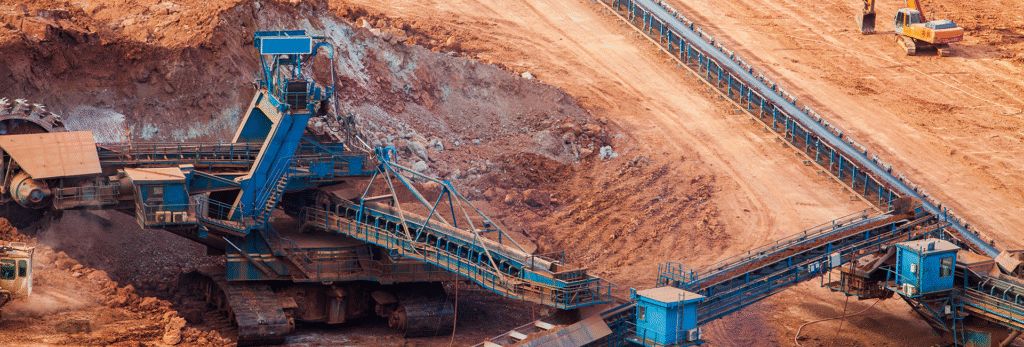
At the same time, advancements in mining technology and responsible resource management will strengthen iron ore production in India, ensuring long-term raw material security. Companies that invest in innovation, sustainability, and operational efficiency are likely to emerge as industry leaders.
Conclusion
The growth of sponge iron companies in India is closely linked to the strength and stability of iron ore production in India. Together, they form a vital foundation for the country’s steel industry and broader industrial development. By embracing technology, sustainability, and efficient resource utilization, the sponge iron sector continues to support India’s journey toward self-reliance and infrastructure excellence.
As the industry evolves, trusted manufacturers such as Sree Metaliks contribute significantly by aligning quality production with responsible sourcing, reinforcing India’s position as a global force in steel and sponge iron manufacturing.