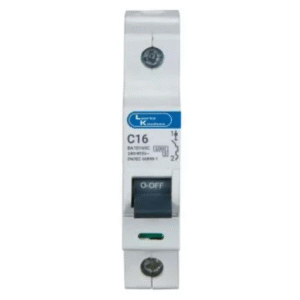
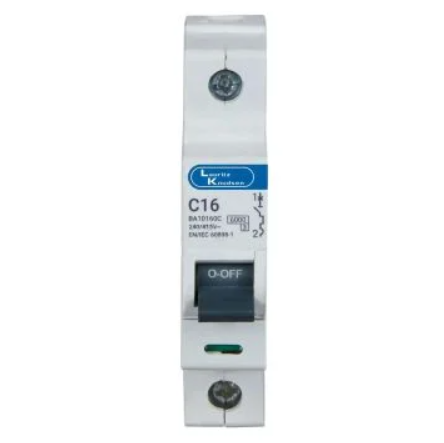
Electrical power systems are the backbone of modern infrastructure, supporting everything from residential homes to heavy industrial plants.As power consumption grows and electrical networks become more complex, ensuring safety, reliability, and continuity of supply becomes critical.Two fundamental elements that play a vital role in protecting electrical systems are the circuit breaker in power system and thermal overload protection.
These protection mechanisms are designed to detect abnormal operating conditions and prevent damage to equipment, wiring, and human life.Understanding how they work, where they are applied, and how they complement each other is essential for engineers, electricians, and facility managers.
Importance of Protection in Power Systems
A power system operates under varying load conditions and environmental factors.Faults such as short circuits, overloads, insulation failure, or mechanical stress can occur unexpectedly.Without proper protection, these faults may result in equipment damage, fire hazards, costly downtime, or even loss of life.
The circuit breaker in power system provides rapid isolation of faulty sections, while thermal overload protection safeguards equipment against prolonged overheating.
Together, they ensure operational stability and long-term reliability.
What Is a Circuit Breaker in Power System?
A circuit breaker in power system is an automatic switching device designed to interrupt the flow of electrical current during abnormal conditions.Its primary purpose is to protect the system from short circuits, overloads, and electrical faults by disconnecting the affected circuit.
Unlike fuses, circuit breakers can be reset after tripping, making them more economical and practical for modern power networks.They are used across generation, transmission, and distribution systems.
Working Principle of Circuit Breaker in Power System
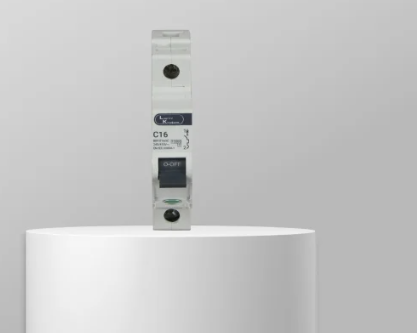
The circuit breaker in power system operates by detecting excessive current flow beyond a predefined limit.
Once a fault is detected, the breaker opens its contacts, interrupting the circuit and stopping the current flow.
This interruption occurs within milliseconds, preventing thermal and mechanical stress on conductors and equipment.Advanced circuit breakers may use electromagnetic, thermal, or electronic sensing mechanisms to detect faults accurately.
Types of Circuit Breaker in Power System
Different power system applications require different types of circuit breakers.Low-voltage systems use miniature and molded case circuit breakers, while medium- and high-voltage systems rely on air, vacuum, oil, or gas circuit breakers.
Regardless of type, the role of the circuit breaker in power system remains the same: to ensure safe isolation during fault conditions and maintain system stability.
Applications of Circuit Breaker in Power System
The circuit breaker in power system is used in power plants to protect generators and transformers.
In substations, it isolates faulty feeders and transmission lines. In industrial and commercial installations, it protects motors, panels, and distribution boards.
Residential buildings also rely on circuit breakers to safeguard household wiring and appliances. This wide range of applications highlights its importance across all levels of electrical infrastructure.
Understanding Thermal Overload Protection
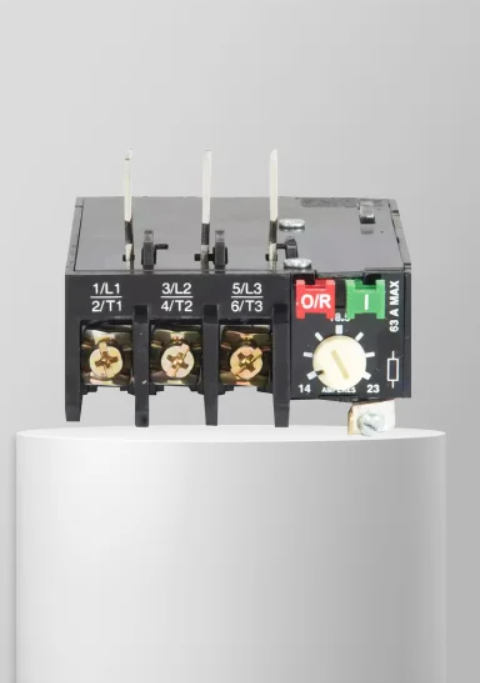
While short circuits are sudden and severe, overloads are gradual and often more dangerous. Thermal overload protection is designed to protect electrical equipment from prolonged overcurrent that causes excessive heat buildup.
Overloads commonly occur when equipment operates beyond its rated capacity or under poor cooling conditions. If left unchecked, overheating can degrade insulation, reduce equipment lifespan, and cause permanent failure.
Working Principle of Thermal Overload Protection
Thermal overload protection operates based on the heating effect of current. As the current increases, the temperature rises within the protective device.
Most thermal overload devices use bimetallic strips or electronic sensors that respond to temperature changes. When the temperature exceeds safe limits, the device trips and disconnects the circuit, allowing the equipment to cool down.
Applications of Thermal Overload Protection
Thermal overload protection is commonly used in electric motors, pumps, compressors, and industrial machinery. Motors are particularly vulnerable to overload conditions caused by mechanical jams, voltage fluctuations, or phase imbalance.
In industrial environments, thermal overload protection prevents costly downtime and extends the life of critical equipment. It is also widely used in HVAC systems, conveyors, and manufacturing processes.
Circuit Breaker in Power System vs Thermal Overload Protection
Although both devices provide protection, their functions are different and complementary. The circuit breaker in power system is primarily designed to handle short circuits and high fault currents. It reacts quickly to sudden electrical faults and isolates the circuit immediately.
On the other hand, thermal overload protection responds to gradual overheating caused by sustained overcurrent. It allows temporary overloads but trips when unsafe temperature levels are reached. Together, they create a layered protection system that enhances safety and reliability.
Why Both Protections Are Essential
Relying on only one type of protection can leave the system vulnerable. A circuit breaker alone may not protect equipment from slow overheating, while thermal overload protection cannot interrupt high fault currents.
Combining a circuit breaker in power system with thermal overload protection ensures complete coverage against both sudden and prolonged faults. This approach is widely adopted in modern electrical design standards.
Role in Energy Efficiency and Equipment Longevity
Proper protection not only improves safety but also enhances energy efficiency. Overloaded equipment consumes more power and operates inefficiently.
By implementing thermal overload protection, systems operate within safe limits, reducing energy waste. Similarly, a reliable circuit breaker in power system minimizes damage during faults, lowering maintenance and replacement costs.
Installation and Maintenance Considerations
Correct selection and installation of protective devices are critical. Ratings must match load requirements, fault levels, and environmental conditions.
Regular inspection and testing ensure that the circuit breaker in power system and thermal overload protection function correctly when needed. Poor maintenance can result in delayed tripping or failure to operate, increasing risk.
Future Trends in Power System Protection
Modern power systems are evolving toward smart and digital solutions. Advanced circuit breakers now include communication interfaces, real-time monitoring, and remote operation.
Similarly, intelligent thermal overload protection devices provide predictive diagnostics and condition monitoring. These innovations improve system reliability and reduce unplanned outages.
Conclusion
Electrical safety and reliability depend heavily on effective protection strategies. The circuit breaker in power system ensures rapid isolation of faults, while thermal overload protection safeguards equipment from long-term overheating.
Understanding their roles, differences, and applications allows professionals to design safer and more efficient electrical systems. By choosing high-quality protection solutions from trusted manufacturers such as Lauritz Knudsen Electrical and Automation, organizations can achieve superior performance, compliance with standards, and long-term operational excellence.