
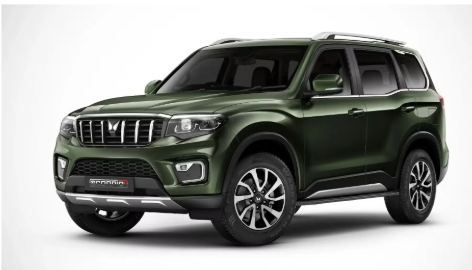
Reported top speed versus official claims
Manufacturers do not always publish a certified maximum speed for every variant. Independent road tests and owner reports can therefore differ with road, wind, tyre condition, load and instrumentation. A reported figure should be treated as an observation, not a target for public roads.
| Measure | Practical interpretation |
| Reported top-speed band | Roughly 155-165 km/h in independent reports |
| Best use of performance | Loaded travel, overtaking and inclines |
| Responsible focus | Legal cruising speed and braking reserve |
Why the Scorpio feels strong at lower speeds
The Mahindra scorpio car top speed Classic is built for torque, passenger carrying and rough-road confidence rather than high-speed performance. Reported tests place its top speed broadly around 155-165 km/h, but the more useful measure is stability, braking margin and safe cruising ability.
The diesel engine delivers useful torque for overtaking, inclines and loaded travel. This produces a confident everyday feel without requiring an extreme top speed. The tall body and ladder-frame construction are designed around durability and utility rather than sports-car aerodynamics.
Safe highway cruising is the better question
A sustainable cruising speed leaves room for braking, lane changes and road surprises. On Indian highways, surface changes, animals, unmarked vehicles and sudden lane entry can appear quickly. A large SUV needs more distance to slow than a light hatchback.
Tyres and maintenance influence high-speed safety
Tyre age, pressure, load rating and tread depth have a direct effect on stability and stopping distance. Suspension wear or poor alignment can make a vehicle wander. Owners should never attempt a maximum-speed run with old tyres, roof loads or uncertain road conditions.
- Replace tyres based on age as well as tread depth.
- Check pressure when tyres are cold.
- Remove unnecessary roof loads.
- Maintain extra following distance in rain.
How it compares with modern SUVs
Many newer monocoque SUVs can reach similar or higher speeds with more refined high-speed manners. The Scorpio’s appeal is different: robust construction, seating capacity, diesel tractability and road presence. Comparing only top speed misses the reasons most owners choose it.
Verdict on performance
A reported 155-165 km/h maximum is sufficient for the vehicle’s role, but it is not the feature that should impress a responsible buyer. Strong low-end response, predictable braking and stable legal-speed cruising matter far more. Public roads are not the place to verify maximum speed.
Responsible performance checks for Scorpio owners
Before finalising this topic, verify the latest manufacturer brochure, the exact variant specification and the local dealer quotation. A short test drive should reproduce the buyer’s normal roads rather than a smooth demonstration loop. This helps reveal visibility, ride quality, control effort and cabin comfort that cannot be understood from a specification sheet alone.
Ownership quality also depends on factors outside the headline figure. Insurance coverage, tyre replacement, scheduled service, warranty exclusions and resale expectations can change the overall value. Recording these items beside the purchase price creates a more complete comparison and reduces the chance of choosing how fast can the scorpio price go and is its top speed impressive? on one attractive number alone.
Why a top-speed video is not evidence of safe performance
Videos often omit tyre condition, road gradient, wind direction and speedometer error. A dashboard reading can overstate true GPS speed, and a short downhill run says little about stability during an emergency lane change. Responsible evaluation uses instrumented testing on a closed facility.
Braking from high speed generates substantial heat. Repeated attempts can lengthen stopping distances as brakes and tyres warm. Public roads also lack controlled access, making a maximum-speed run dangerous to other people who did not consent to the risk.
For owners, the practical performance test is whether the Scorpio can merge, overtake and climb with passengers without strain. These tasks occur within legal speeds and reveal far more about everyday suitability than the final number on a speedometer.
Performance should be judged responsibly
The final decision should be documented in one page: the chosen configuration, the strongest reason for buying it, the main compromise and the expected annual cost. Writing these points down helps separate a durable need from showroom excitement. It also makes later comparisons more consistent because every alternative is judged against the same household priorities rather than a changing list of impressions.
A responsible owner should know the vehicle’s speed rating, but not attempt to reach it. Tyres, brakes and road conditions change over time, and the margin available during a showroom-fresh test may not exist years later.
Performance is better judged through safe overtaking response, hill-climbing ability and composure at legal speeds. These qualities improve real journeys without exposing passengers or other road users to unnecessary risk.
Scorpio performance perspective
Owners should treat any unusual vibration, steering pull or braking change as a maintenance issue rather than testing the vehicle harder. Mechanical condition is the foundation of safe performance at every speed.
Before paying the balance, buyers should record the selected variant, key inclusions, expected annual running and the main compromise they have accepted. A written decision is easier to review and less likely to be changed by last-minute pressure at the dealership.