
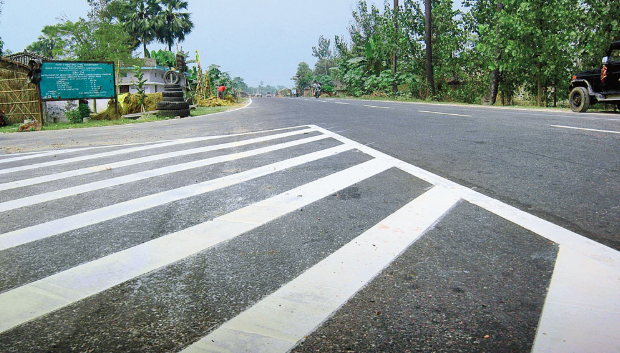
The Uttar Pradesh (UP) road tax system is vital for vehicle owners across the state to ensure compliance with state laws and contribute to infrastructure development. Whether you are buying a new car, relocating to UP, or simply renewing road tax for your vehicle, understanding the nuances of UP road tax is essential. This article will provide an in-depth explanation of UP road tax rules, highlight the calculation methods, and briefly touch upon Delhi road tax for comparison.
Table of Contents
ToggleWhat is UP Road Tax?
Road tax is a mandatory fee levied by state governments in India on vehicle owners for using road infrastructure within their jurisdiction. The Uttar Pradesh government charges road tax to fund the construction, repair, and maintenance of roads. Every vehicle owner is required to pay this tax, ensuring seamless transportation services and improved infrastructure within the state.
The UP road tax is governed by the Motor Vehicles Act, 1988, and is subject to variation depending on vehicle type, usage, weight, fuel, cost, and seating capacity. The tax is levied on personal and commercial vehicles alike, but the rates differ significantly between these categories.
Key Points Every Vehicle Owner Should Know
1. Who Needs to Pay UP Road Tax?
Any individual owning a vehicle registered within Uttar Pradesh must pay road tax. Additionally, owners of vehicles registered in another state but brought into UP for more than 12 months must re-register their vehicle and pay UP road tax.
2. When is Road Tax Paid?
Road tax in UP can either be paid as a one-time tax for the lifetime of the vehicle or periodically, such as annually, depending on the vehicle type. Vehicle owners purchasing new vehicles usually opt for a one-time payment. For commercial vehicles, periodic payments are mandatory.
3. Road Tax Rates in UP
The UP road tax rates depend on several factors, with a particular focus on vehicle type, fuel type, and market price. Below is a breakdown:
– Two-Wheelers:
For two-wheelers under 75,000 INR, road tax is set at 7% of the vehicle’s price. For bikes above 75,000 INR, the rate increases to 10%.
– Four-Wheelers:
The road tax for cars priced under 6 lakh INR is 6%, cars costing between 6-10 lakh INR have a tax rate of 8%, and luxury cars priced above 10 lakh INR incur a tax rate of 10%.
– Commercial Vehicles:
The road tax for commercial vehicles varies based on the vehicle’s weight, passenger capacity, and usage. These vehicles follow periodic tax payment guidelines.
– Electric Vehicles (EVs):
To promote eco-friendly transportation, UP allows 100% exemption from road tax for all electric vehicles, making them a cost-effective choice for vehicle buyers.
4. How is Road Tax Calculated?
Road tax calculation in UP revolves around the invoice value of the vehicle, including GST. Here’s the formula:
Road Tax Amount = (Vehicle Price x Applicable Tax Percentage)
For example, if you purchase a car priced at 8 lakh INR, the road tax will be 8%:
Road Tax = 8,00,000 × 8% = INR 64,000
Ensure that the invoice value used for calculation accounts for all applicable costs, not just the base vehicle price.
5. UP Road Tax Payment Methods
UP road tax payments can be made online or offline.
– Online Payment:
You can pay UP road tax via the official Parivahan website (www.parivahan.gov.in). Simply select UP as the state, navigate to road tax payment, enter vehicle details, and proceed to pay securely via net banking or UPI.
– Offline Payment:
Alternatively, visit the nearest Regional Transport Office (RTO) in UP to pay road tax manually. Carry necessary documents, including the vehicle’s registration certificate, invoice, and identity proof to facilitate the process.
6. What Happens If You Fail to Pay UP Road Tax?
Non-payment of road tax can attract hefty penalties, vehicle seizures, and legal actions. Failure to pay on time for commercial vehicles could lead to cancellation of permits. Always ensure timely payment to avoid complications.
Special Case: Vehicles Moving from Delhi to UP
If you are relocating to UP and bringing your vehicle from Delhi, you must apply for a new registration and pay UP road tax. A no-objection certificate (NOC) will be required from the Delhi RTO, which proves all dues in Delhi, including Delhi road tax, have been settled. Once the NOC is secured:
1. Submit it to the UP RTO.
2. Pay UP road tax.
3. Update registration.
Similarly, if you are moving from UP to Delhi, you must apply for Delhi road tax after securing an NOC from the UP RTO.
Delhi Road Tax vs UP Road Tax
Both UP road tax and Delhi road tax follow similar guidelines, but differences exist in their rates and exemptions. For example:
– Delhi offers 100% road tax exemption for both electric and CNG vehicles, whereas UP’s exemption applies only to electric vehicles.
– The road tax rates in Delhi for vehicles above 10 lakh INR are higher at 12.5%.
Comparing these tax structures is essential if you are relocating between these states or purchasing vehicles for regional use.
Documents Required for UP Road Tax Payment
When paying road tax, ensure you have the following documents ready:
– Vehicle Registration Certificate (RC)
– Original Invoice
– Owner’s ID proof
– No-Objection Certificate (only if re-registering from another state)
Benefits of Paying Road Tax
Compliance with road tax rules ensures your vehicle is legally fit for operation and protects you from penalties. Additionally, timely payments contribute to better road infrastructure, making travel safer and more efficient for everyone.
Conclusion
UP road tax is a fundamental responsibility for vehicle owners in the state, whether you own a private vehicle or a commercial one. By understanding tax rates, payment methods, and compliance requirements, you can avoid unnecessary penalties and contribute to the state’s infrastructure development.
Whether you’re relocating to UP from Delhi or staying in UP for the long haul, stay informed about road tax rules to remain compliant. If you need more information about Delhi road tax or UP-specific vehicles, consult the state RTO websites or visit an RTO office near you.
Paying UP road tax is not just about fulfilling legal obligations — it’s about supporting the region’s transport infrastructure and ensuring smoother commutes for future generations.