
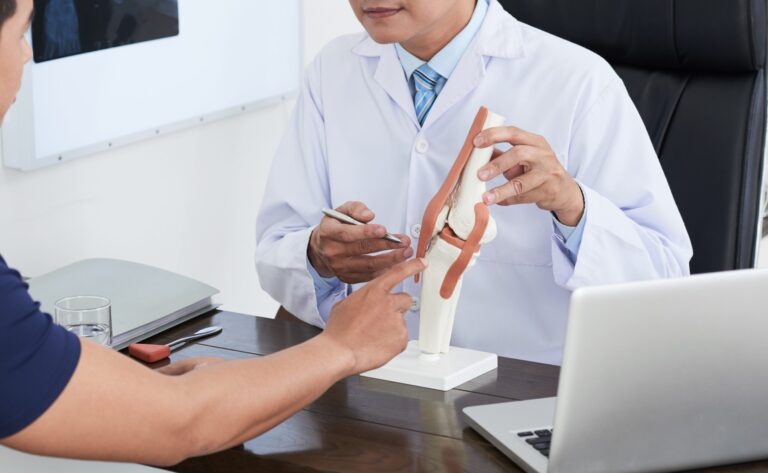
For athletes and active individuals, the knee is one of the most critical yet vulnerable joints in the body. Every sprint, jump, twist, or tackle places immense stress on the knees. When pain or injury strikes, performance and lifestyle are immediately affected. From recreational runners to professional athletes, one of the smartest moves you can make is seeking help early from a qualified specialist.
If you’ve suffered a knee injury, persistent swelling, or instability, it’s time to visit a knee specialist singapore who can diagnose the problem accurately and guide you through a personalized recovery plan. Early assessment and proper rehabilitation not only speed healing but also reduce the risk of long-term complications that can shorten your athletic career or affect your daily mobility.
Table of Contents
ToggleUnderstanding Sports-Related Knee Injuries
Knee injuries are among the most common issues faced by athletes and fitness enthusiasts. The knee joint is a complex hinge supported by bones, cartilage, ligaments, tendons, and muscles. Even minor missteps can lead to serious damage. Some of the most frequent sports injuries include:
- ACL (Anterior Cruciate Ligament) Tear: Common in sports requiring sudden stops or pivots (soccer, basketball, skiing). Often accompanied by a “pop” sound and rapid swelling.
- Meniscus Tear: The meniscus acts as a cushion between the thigh and shin bones. Twisting while the foot is planted may cause it to tear.
- Patellar Tendinitis: Also known as “jumper’s knee,” caused by repetitive stress on the tendon connecting the kneecap to the shinbone.
- MCL or LCL Injuries: The medial and lateral collateral ligaments stabilize the knee. Side impacts or over-stretching can strain or tear them.
- Runner’s Knee (Patellofemoral Pain Syndrome): Pain around the front of the knee due to overuse, muscle imbalance, or poor alignment.
- Cartilage Damage: Friction, repetitive impact, or previous trauma can lead to wear and tear of the articular cartilage, causing stiffness and swelling.
Why See a Knee Specialist Early
Many athletes make the mistake of “playing through pain.” However, untreated knee injuries can worsen over time, leading to chronic instability, arthritis, or long-term disability. A knee specialist can:
- Identify the precise source of pain using advanced imaging (MRI, CT).
- Distinguish between soft tissue and bone injuries.
- Recommend evidence-based treatment options for optimal recovery.
- Prevent recurrent injuries through targeted strengthening programs.
By acting quickly, athletes can often avoid surgery altogether or minimize the extent of required intervention.
Diagnosis and Evaluation
When you visit a knee specialist in Singapore, the consultation typically begins with a detailed review of your injury history, activity level, and symptoms. The physical examination assesses swelling, tenderness, joint stability, and range of motion. Imaging such as MRI scans provides a deeper look at cartilage or ligament injuries invisible on X-rays.
The specialist then determines whether the injury is acute (recent trauma) or chronic (overuse or degeneration). Based on findings, a tailored plan is created, emphasizing recovery without compromising long-term joint health.
Non-Surgical Rehabilitation
For most mild to moderate injuries, non-surgical rehabilitation is the first line of treatment. This may include:
- Rest and Immobilization: Temporary bracing or reduced activity prevents further strain.
- Physiotherapy: Strengthening the surrounding muscles (quadriceps, hamstrings, glutes) improves stability and balance.
- Pain Management: Anti-inflammatory medication, ice therapy, and compression reduce swelling.
- Injections: PRP (platelet-rich plasma) or hyaluronic acid injections can promote tissue healing and reduce pain.
- Activity Modification: Adjusting training techniques, footwear, and load can prevent recurrence.
The key is a gradual return to activity under professional supervision. Too fast a comeback risks re-injury; too slow can cause muscle weakness.
Surgical Options for Severe Injuries
If conservative therapy doesn’t achieve full recovery or the injury is severe, surgical intervention may be necessary. Common procedures include:
- Arthroscopic ACL Reconstruction: A minimally invasive surgery using small incisions and a graft to replace the torn ligament.
- Meniscus Repair or Meniscectomy: Depending on the tear’s location, the specialist may repair the tissue or remove the damaged portion.
- Cartilage Restoration Techniques: Procedures like microfracture or autologous chondrocyte implantation (ACI) stimulate new cartilage growth.
- Realignment Surgeries: For chronic instability, realigning bones or tendons helps restore balance and prevent future strain.
Modern arthroscopic techniques mean smaller scars, less pain, and faster recovery compared to traditional open surgeries.
Post-Surgery Rehabilitation
Rehabilitation is as vital as the surgery itself. A comprehensive program designed by your specialist and physiotherapist usually follows these stages:
- Phase 1 – Protection and Mobility: Focus on reducing swelling and regaining gentle range of motion.
- Phase 2 – Strength Restoration: Progressive strengthening of the muscles supporting the knee.
- Phase 3 – Balance & Coordination: Neuromuscular training enhances control and stability.
- Phase 4 – Sports-Specific Training: Drills that simulate real-world movement patterns help restore confidence before returning to full play.
Depending on injury type, recovery can take anywhere from 3 months for minor arthroscopy to 9–12 months for ACL reconstruction.
Preventing Future Injuries
Once you’re healed, prevention is the next priority. Here’s how to protect your knees long term:
- Warm Up Properly: Dynamic stretching before workouts prepares muscles and joints.
- Build Strength Symmetrically: Balanced lower-body strength minimizes uneven load.
- Improve Technique: Correct posture and movement patterns prevent undue stress.
- Cross-Train: Mix low-impact exercises (swimming, cycling) with high-impact sports to reduce wear.
- Listen to Pain: Early discomfort is your body’s signal to rest or adjust.
Your knee specialist can design an ongoing injury prevention plan, including biomechanical analysis and customized conditioning programs.
Choosing the Right Specialist
Not all knee injuries are equal—and not all specialists are the same. When selecting a doctor, consider:
- Orthopaedic certification and fellowship training in sports medicine.
- Experience with athletes and sports-related surgeries.
- Access to advanced diagnostic tools and rehabilitation support.
- Communication style—someone who listens and explains options clearly.
Singapore’s leading orthopaedic centers provide multidisciplinary care, integrating diagnostics, surgical expertise, and physiotherapy under one roof.
The Psychological Side of Recovery
Injury recovery isn’t only physical. Athletes often struggle with frustration, fear of re-injury, and loss of confidence. Working closely with your specialist, physiotherapist, and possibly a sports psychologist helps rebuild mental resilience. Setting small milestones and celebrating progress keeps motivation high throughout rehabilitation.
Living Pain-Free and Active Again
With the right diagnosis, advanced treatment options, and structured rehab, knee injuries don’t have to end your active lifestyle. Whether you’re an elite athlete or a weekend runner, specialized care in Singapore ensures your knees receive the attention they deserve. Don’t wait for pain to dictate your pace—consult a qualified knee specialist and take the first step toward full recovery.