
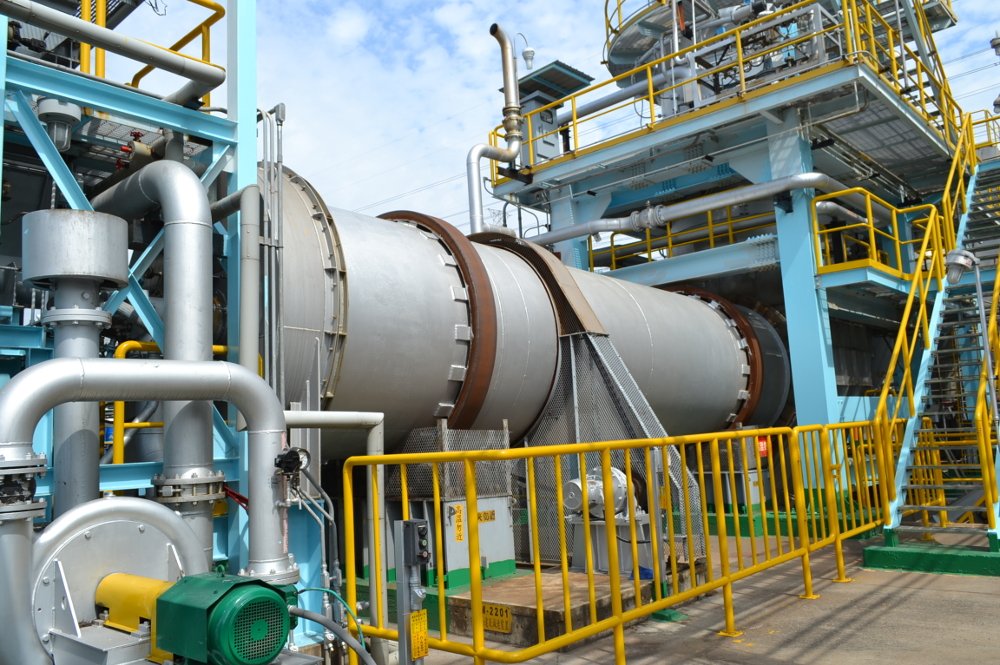
A rotary incinerator is a very effective thermal treatment system that safely burns waste of all types at very high temperatures. Industries that require the safe and complete combustion of hazardous or organic waste rely heavily on these types of incinerators. One of the most popular examples is in the management of agricultural and animal waste, where the use of an incinerator for the disposal of hazardous and poultry wastes is used. The system replaces a cylindrical chamber that avoids having the waste stuck and promotes complete combustion of waste. This system significantly reduces emissions of toxic gases.
High Performance in Waste Incineration
The rotary incinerator has a big advantage of being able to process a very large amount of waste in a continuous cycle. The rotation of the chamber means that waste is always in the field of high temperatures, and therefore, always undergoing combustion. This system works particularly well for processes that always make waste, such as poultry farms that require the use of a poultry incinerator to manage poultry and organic waste.
Environmentally Friendly System
The rotary incinerator is designed to mitigate the impact that the system has on the environment. This is achieved by controlling the combustion of harmful gases, coupled with advanced filtration systems to reduce smoke and emissions. Compared to the conduct of open burning or dumping waste, a rotary incinerator makes a significant impact on air quality. It allows a much cleaner scenario especially in the agricultural and industrial sector.
Safe and Hygienic Waste Management
Safety is one of the main advantages of rotary incinerators. It guarantees the complete destruction of hazardous waste, including biological waste from poultry farms, at extremely high temperatures. Poultry incinerator help control the spread of diseases by destroying all infectious materials. This is critical for businesses in which biosecurity is of utmost importance.
Versatility in Waste Handling
Rotary incinerators can handle a broad range of waste types, such as medical waste, industrial sludge, agricultural waste, and animal remains. This versatility is why many industries prefer it. Within poultry farming, this offers a dependable option to handle and eliminate organic waste without leaving behind any traces or smells.
Cost Effective Long Term Solution
While there may be an initial cost when setting up a rotary incinerator, it is, financially, a viable option in the long run. It cuts back on the costs associated with transporting waste to landfills, lowers labor costs, and minimizes environmental impact fees. For poultry farms, using a poultry incinerator mitigates the negative effects associated with increased costs of disease and pestilence outbreaks and improper waste disposal.
Reduced Odor and Contamination
Rotary incinerators are a huge step toward eliminating the sickening odors that come with organic waste from poultry farms. Waste is incinerated, sterilized and eliminated, thus controlling not only the odors, but also the contamination and waste risk.
Operational Efficiency and Automation
Contemporary variants of rotary incinerators usually include auto controls to adjust temperature, speed, and fuel consumption. This means greater efficiency and consistent performance with very little manual effort. It minimizes the risk of exposing operators to hazardous wastes.
Conclusion
A rotary incinerator is a fast and safe option for the disposal of numerous types of wastes in an environmentally friendly manner. Whether for use in industry or for a poultry incinerator in agriculture, it promotes total combustion, diminishes emissions, and increases biosecurity. The system is flexible, economical, and capable of handling large waste volumes, making it an important addition to modern waste management.