
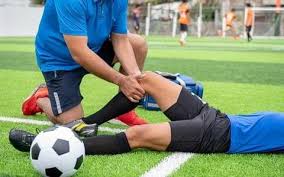
Engaging in sports and physical activities is a vital part of maintaining a healthy lifestyle. However, it comes with the risk of injuries that can affect both amateur and professional athletes. Sports injuries can range from minor strains to severe conditions requiring medical attention. Understanding these injuries and how they are treated is essential for anyone participating in regular physical activity.
Table of Contents
ToggleOverview of Sports Injuries in Delhi
The Sports injuries treatment in delhi is accessible through specialised hospitals and healthcare centres that focus on musculoskeletal health and rehabilitation. These facilities provide comprehensive care to help patients recover effectively and return to their everyday activities. Awareness of the different types of injuries and the appropriate treatment methods can significantly reduce recovery time and prevent long-term complications.
Common Types of Sports Injuries
Several sports injuries occur frequently due to sudden movements, overuse, or direct impact. The most common injuries include:
Sprains and Strains
Sprains occur when ligaments are stretched or torn, while strains affect muscles or tendons. Commonly impacting ankles, knees, and wrists, symptoms include pain, swelling, and limited movement. Early treatment with rest, ice, compression, and elevation helps recovery. Physiotherapy may be advised to restore strength and flexibility.
Fractures
Fractures, caused by impact, falls, or collisions, lead to severe pain, swelling, bruising, and visible deformity. Treatment often involves casts or splints, and surgery may be needed in serious cases. Rehabilitation exercises are essential after treatment to restore mobility, strength, and full function of the affected bone.
Dislocations
A dislocation occurs when a bone is forced out of its normal position in a joint, often affecting the shoulder, finger, or knee. Dislocations can be extremely painful and cause visible deformity. Immediate medical attention is required to safely reposition the joint. Subsequent physiotherapy can help strengthen the surrounding muscles and prevent future dislocations.
Tendinitis
Tendinitis is tendon inflammation caused by repetitive motion or overuse, commonly affecting elbows, knees, and shoulders. Symptoms include pain, tenderness, and swelling. Treatment involves rest, anti-inflammatory medicines, and exercises to strengthen the tendon. Persistent cases may require corticosteroid injections or surgery to restore function and reduce discomfort.
Concussions
Concussions are brain injuries caused by a blow to the head or sudden movement. Symptoms include headaches, dizziness, confusion, and difficulty concentrating. Prompt medical evaluation is essential. Recovery involves rest, monitoring, and a gradual return to sports under supervision to ensure safety and prevent long-term complications.
Overuse Injuries
Overuse injuries occur from repeated stress on muscles, bones, and tendons, including shin splints, stress fractures, and bursitis. Treatment involves rest, physiotherapy, and modifying training routines to prevent recurrence. Maintaining correct technique and allowing adequate recovery periods are essential to reduce the risk and support safe, long-term participation in sports.
Approaches to Treatment
Treating sports injuries in Delhi involves a combination of immediate care, diagnostic assessment, medical intervention, and rehabilitation. The aim is to ensure complete recovery while minimising the risk of re-injury.
Immediate Care
Initial care focuses on reducing pain and swelling. Standard first-aid measures include:
- Resting the injured area to prevent further damage
- Applying ice packs for 15–20 minutes to reduce swelling
- Using compression bandages to stabilise the injury
- Elevating the affected limb to minimise fluid accumulation
These steps provide immediate relief and prepare the injured area for further medical evaluation.
Diagnostic Assessments
Accurate diagnosis is essential for effective treatment. Healthcare centres in Delhi use imaging techniques such as X-rays, MRI, and CT scans to assess the severity of injuries. This helps doctors choose the most suitable treatment plan for each patient. Proper diagnosis also reduces the risk of long-term complications.
Surgical and Non-Surgical Interventions
The treatment plan depends on the type and severity of the injury. Non-surgical methods may include:
- Physiotherapy and targeted exercises
- Medications to manage pain and inflammation
- Immobilisation using splints, casts, or braces
In cases of severe fractures, torn ligaments, or chronic injuries, surgical intervention may be necessary. After surgery, rehabilitation ensures the patient regains mobility and strength.
Rehabilitation and Recovery
Rehabilitation is a critical component of sports injury treatment. Typical rehabilitation strategies include:
- Physiotherapy exercises to restore mobility, strength, and flexibility
- Balance and coordination training to prevent future injuries
- Use of supportive equipment, like braces or orthotics, if recommended
Successful rehabilitation helps patients return to their normal activities safely and reduces the risk of re-injury.
Preventive Measures
Preventing sports injuries is as important as treatment. Adopting healthy habits and following safety measures can significantly reduce the risk of injury. Necessary preventive steps include:
- Performing warm-up exercises before physical activity
- Maintaining proper technique during training and play
- Using appropriate protective gear, such as helmets, pads, and braces
- Staying hydrated and maintaining overall fitness
- Taking adequate rest between training sessions and listening to the body’s signals
Following these measures allows individuals to participate in sports safely while minimising the chances of injury.
Conclusion
Sports injuries are common, but timely care ensures safe recovery. Healthcare centres in Delhi provide specialised sports injury treatment, helping patients regain strength and return to activity. Awareness, early intervention, and proper rehabilitation are key to managing injuries effectively, allowing individuals to enjoy sports while protecting long-term health.