
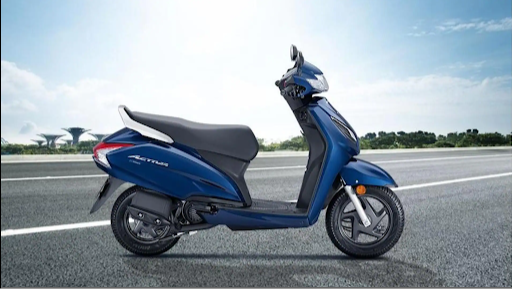
The Honda Activa 6G is a familiar starting point for families considering a financed scooter, but choosing an affordable EMI requires more than dividing a showroom price by the number of months. The Activa is now presented in Honda’s current Indian range as the Activa110, with a 109.51 cc engine. Before using a two-wheeler loan calculator, buyers should identify the precise version, obtain a current written quotation and decide how much they can pay upfront without using emergency savings. Those inputs matter more than a promotional monthly instalment.
First establish the right scooter and amount to borrow
A financing calculation starts with the actual vehicle being purchased. A quoted Activa 6G could refer to different equipment or manufacturing periods, while the present Activa110 family includes variant-specific conveniences. Ask whether the scooter offers the braking, instrument and key features you expect. The finance principal is determined by the agreed eligible purchase cost less the down payment, and the lender may not finance every quoted accessory or charge.
Keep the ex-showroom amount, registration-related statutory payments, insurance, optional accessories and dealer services identifiable in the quotation. The combined outlay is relevant to household budgeting, but it should not be confused with a single advertised ex-showroom price. Ask whether items such as extended warranties or packaged accessories are optional. A smaller principal can come from removing unneeded additions, not merely from raising the down payment. Accurate inputs help prevent an unrealistic EMI estimate.
What an EMI calculator actually measures
A standard reducing-balance calculator uses the principal, annual interest rate and repayment duration to estimate a constant monthly instalment. A two-wheeler loan calculator helps borrowers estimate their EMI based on these factors before choosing a repayment plan. Interest is charged on the outstanding principal according to the lender’s method, so the proportion of EMI going towards interest generally falls as the loan progresses. This differs from an informal calculation that spreads the original interest evenly without reflecting a reducing loan balance. Always clarify which method a displayed rate represents.
| Duration in months | Estimated monthly payment | Estimated interest across term |
| 12 | Rs. 7,108 | Rs. 5,295 |
| 24 | Rs. 3,766 | Rs. 10,381 |
| 36 | Rs. 2,657 | Rs. 15,657 |
Example assumes an annual 12% reducing-balance rate without additional charges; rounded figures are shown.
For example, a hypothetical Rs. 80,000 loan over 24 months at 12% annual reducing interest gives an EMI of approximately Rs. 3,766. This is only an arithmetic illustration; no applicant is assured that rate or approval. The displayed instalment does not automatically include processing fees, insurance or late-payment costs. Lenders may vary their eligibility criteria, minimum deposit, repayment dates and pricing. A calculator is a planning aid, not a binding sanction letter.
See how tenure changes the monthly commitment
A longer loan spreads the principal across additional months, often creating a more manageable-looking EMI. However, interest continues to accrue for longer, usually raising the total repayment when the annual rate is unchanged. A short tenure reduces the length of the commitment but can strain monthly cash flow. The right term should leave money available for rent, groceries, transport, savings and routine scooter maintenance, not merely match the maximum duration available from the lender.
Try several realistic tenures in the calculator, holding principal and interest rate constant. Note the EMI and total interest for each option. If one alternative is affordable only in a month with unusually high income, it is probably too aggressive. Conversely, a very long term can be unnecessarily costly for someone who has stable surplus income. The aim is a durable commitment that can be met consistently, including during a less comfortable month.
Down payment choices and household cash reserves
Putting down more money generally lowers the amount borrowed, but a deposit should not consume funds reserved for emergencies. A newly purchased scooter brings spending on a helmet, insurance renewals, scheduled servicing, fuel and potential puncture repairs. Households sharing one vehicle should also allow for an occasional taxi or alternative transport if servicing takes longer than expected. A loan that leaves no cash buffer may be difficult to sustain even when the monthly EMI looks reasonable.
Work backwards from a safe monthly amount rather than from the most expensive trim a lender may approve. Set a personal ceiling for EMI after considering existing loan payments and ordinary bills. Then estimate a down payment you can make while keeping essential reserves. If the preferred variant remains out of reach, adjust the optional equipment or delay the purchase rather than assume future income increases will solve the difference.
Rate, fees and terms that calculations can conceal
Loan offers should be compared on an equivalent basis. The quoted interest rate might be fixed or variable, and a low headline figure can be offset by processing fees or other charges. Ask for the annualised pricing details, a repayment schedule and any mandated insurance terms. Check what happens if you miss a payment, how additional payments are treated and whether early closure involves permitted charges. Agreements can differ by lender and borrower profile.
Eligibility checks generally examine identity, repayment capacity, existing credit obligations and credit history. There is no single guaranteed CIBIL score or fixed interest rate for all Activa buyers. Provide genuine documents and avoid relying on people who promise approval in exchange for unofficial advance payments. Apply through authorised lender or dealership channels, read electronic mandates carefully and keep proof of disbursement and the loan agreement after delivery.
Manage EMIs after the scooter reaches home
Regular repayment protects the household budget and helps avoid avoidable fees. Schedule the payment debit from an account that normally maintains a sufficient balance. Set a reminder before the due date, then verify payment through the lender’s approved app or statement. If a debit fails, confirm the status before attempting a duplicate payment. Contact the lender promptly about the exact overdue amount and the correct payment method rather than guessing from a missed message.
Maintain the scooter independently of the financing arrangement. Tyre condition, working brakes, authorised servicing and valid insurance are essential whether the loan is new or nearly repaid. Keep records of instalments and service receipts. Once the loan is fully settled, obtain a closure confirmation and follow the applicable process for removing hypothecation from registration records. Clearing the debt is not the only administrative step in concluding financed vehicle ownership.
What should you check before accepting an Activa loan?
Confirm the exact Activa110 or Activa 6G version on the invoice, the financed principal and every charge included in the lender’s offer. Compare at least two realistic loan structures using identical assumptions, then review the full repayment amount and closure conditions. A comfortable EMI leaves space for necessary expenses and unexpected setbacks. If the proposed instalment only works when every month goes perfectly, reconsider the deposit, scooter configuration or purchase timing before signing.