
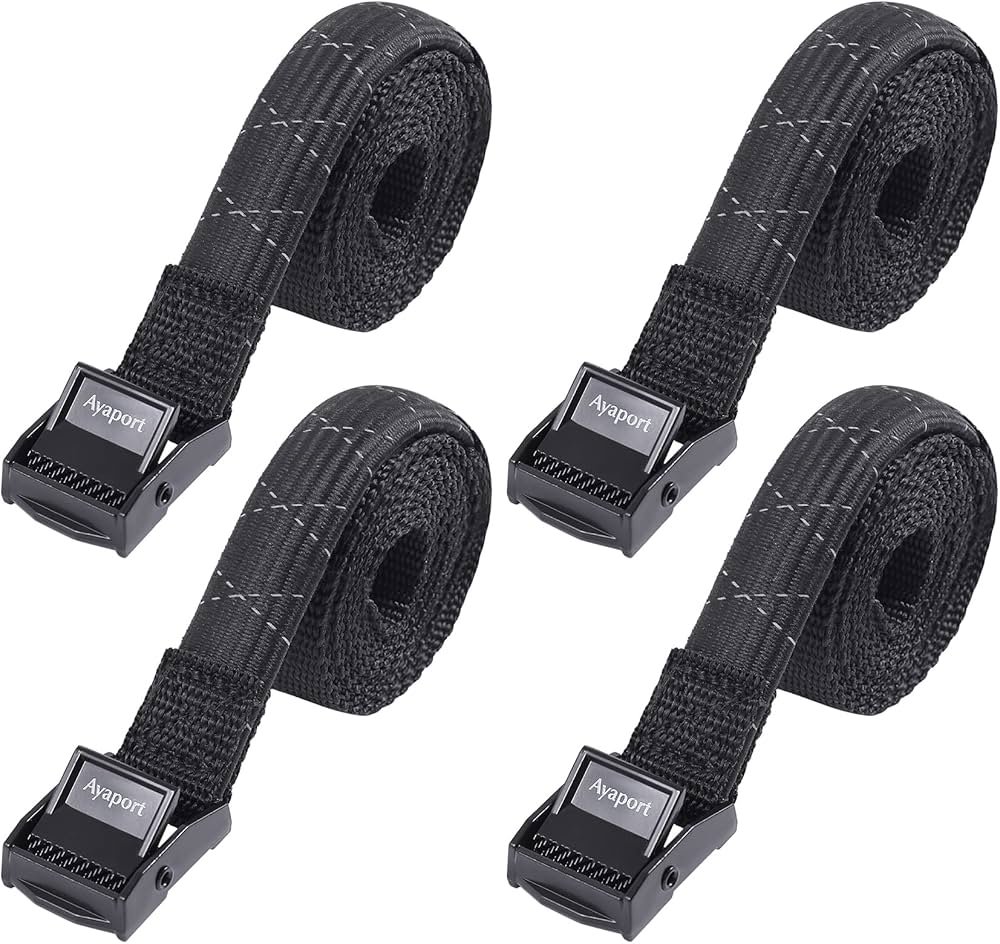
Industrial Ratchet Straps for Reliable Load Restraint
When heavy equipment, machinery, materials, or commercial cargo needs to be transported, reliable load restraint is essential. Industrial ratchet straps are designed for demanding securing applications where strength, durability, and appropriate load capacity are important.
Unlike choosing a strap based on appearance alone, selecting the right restraint equipment requires consideration of the load weight, Working Load Limit (WLL), strap dimensions, fittings, securing method, and transportation conditions.
For UK businesses, tradespeople, logistics operators, and equipment users, The Ratchet Shop provides access to load restraint products designed for different applications. Understanding the key features of industrial straps can help you make a more informed choice.
Why Use Industrial Ratchet Straps?
Industrial environments often involve heavier loads and more demanding transportation conditions than everyday domestic applications. The right ratchet strap can help keep cargo stable when used according to its specifications.
Designed for Demanding Applications
Industrial ratchet straps may be suitable for securing machinery, construction materials, commercial equipment, and other substantial loads, depending on their rated capacity.
The correct product should always be selected according to the manufacturer’s specifications and the requirements of the particular securing arrangement.
Strong and Durable Webbing
High-quality webbing is important for reliable load restraint. Polyester webbing is commonly used because of its strength, flexibility, and resistance to stretching under normal conditions.
Regular inspection is still essential, particularly where straps are exposed to frequent use or demanding environments.
Efficient Tensioning
The ratchet mechanism provides mechanical advantage, allowing users to apply controlled tension to the strap. This can make securing larger loads more practical than relying solely on manual tension.
Understanding Ratchet Strap Capacity
Before purchasing industrial ratchet straps, it is important to understand the specifications provided by the manufacturer.
Working Load Limit
The Working Load Limit indicates the maximum load the restraint is designed to handle under specified conditions. It should not be confused with breaking strength.
Never exceed the stated WLL, and make sure the complete securing arrangement is appropriate for the load.
Strap Width
Width can be an important specification, but it does not determine capacity by itself. Different webbing widths, materials, ratchet mechanisms, and fittings can have different ratings.
End Fittings
Hooks and other end fittings should be compatible with the anchor points on the trailer, vehicle, machinery, or other equipment being used.
When Are 3 Inch Wide Ratchet Straps Useful?
3 inch wide ratchet straps are a popular consideration for applications where wider webbing is required. Their suitability depends on the individual product’s specifications, WLL, fittings, and intended use.
Commercial Transport
Transport operators may use wider straps when securing substantial cargo, provided the equipment is correctly rated for the load and securing method.
Machinery and Equipment
Heavy machinery and industrial equipment often require carefully planned restraint systems. Wider webbing can be part of an appropriate solution when supported by the manufacturer’s specifications.
Construction and Logistics
Construction materials, plant equipment, and commercial cargo can present challenging load restraint requirements. The correct strap can help reduce unwanted movement during transportation.
How to Choose the Right Industrial Ratchet Strap
Choosing a strap involves more than selecting the widest or strongest-looking option. Consider the complete application before purchasing.
Assess the Load
Identify the cargo’s weight, dimensions, shape, centre of gravity, and surface characteristics.
Check the WLL
Select equipment with a suitable WLL for the intended securing arrangement. The WLL of the strap should not be exceeded.
Choose the Correct Length
The strap should be long enough to secure the load effectively without leaving excessive loose webbing that could become difficult to manage.
Select Compatible Fittings
Make sure hooks and other attachment points are compatible with the securing points available on your vehicle or equipment.
Safe Use of Industrial Ratchet Straps
Even high-quality industrial ratchet straps must be used correctly. Inspect all components before every use, including the webbing, stitching, ratchet mechanism, and fittings.
Do not use a strap showing significant cuts, fraying, damaged stitching, deformation, corrosion, or other defects that could affect safe performance.
Position straps correctly and ensure the load is stable before transportation. Where sharp edges are present, use suitable protective equipment to help prevent webbing damage.
Always follow the manufacturer’s instructions and applicable UK load restraint requirements.
Maintaining Your Ratchet Straps
Proper care can help preserve load restraint equipment and identify problems before they become serious.
Inspect Before Every Use
Regular checks can identify damaged webbing, worn stitching, faulty mechanisms, or compromised fittings.
Keep Webbing Clean
Remove dirt and contaminants where appropriate and allow straps to dry before storage.
Store Correctly
Keep straps in a clean, dry location away from sharp objects, excessive heat, chemicals, and unnecessary environmental exposure.
Replace Damaged Equipment
A damaged strap should not be used simply because the defect appears minor. If its integrity is compromised, follow the manufacturer’s guidance regarding removal and replacement.
Why Choose The Ratchet Shop?
Selecting a specialist supplier can make it easier to compare different strap widths, lengths, fittings, and capacities.
The Ratchet Shop provides load restraint equipment for customers across the UK, helping users identify products suitable for different transport and securing applications.
When choosing industrial ratchet straps, review product specifications carefully rather than relying only on appearance or price. If you’re unsure about the appropriate restraint solution, seek guidance based on your specific load and securing requirements.
Frequently Asked Questions
What are industrial ratchet straps?
Industrial ratchet straps are load restraint straps designed for demanding securing applications. Their suitability depends on their Working Load Limit, construction, fittings, and intended use.
What are 3 inch wide ratchet straps used for?
3 inch wide ratchet straps can be used for substantial load restraint applications where wider webbing is appropriate. Always check the individual product’s WLL and manufacturer specifications.
Are wider ratchet straps always stronger?
Not necessarily. Strap width alone does not determine strength or WLL. The webbing material, ratchet mechanism, fittings, construction, and product rating must all be considered.
How often should industrial ratchet straps be inspected?
Inspect load restraint equipment before every use. Remove straps from service if they show significant damage, excessive wear, or defects that could affect safe performance.
How do I choose the right ratchet strap?
Consider the load weight, dimensions, securing method, WLL, strap length, webbing width, fittings, and manufacturer’s instructions before selecting a product.
Secure Your Loads With the Right Equipment
Choosing appropriate load restraint equipment is an important part of transporting heavy and commercial cargo safely. Industrial ratchet straps can provide a practical solution for demanding applications when correctly selected, inspected, and used within their rated capacity.
Whether you need standard industrial restraints or 3 inch wide ratchet straps for a specific application, understanding WLL, fittings, dimensions, and securing requirements can help you make a better-informed choice.
Explore the range at The Ratchet Shop today, compare product specifications, and choose the load restraint equipment that matches your application. Make secure cargo handling a priority on every journey.