
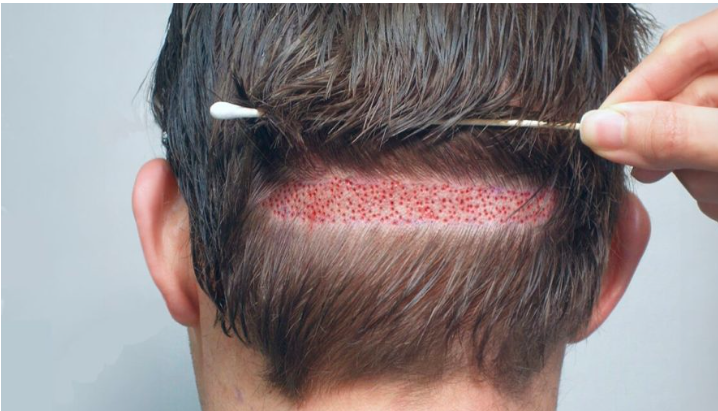
Hair loss is one of the most common concerns for both men and women in Pakistan today. Whether it’s due to genetics, stress, or lifestyle, thinning hair can take a toll on confidence and appearance. In recent years, advancements in medical technology have made it possible to restore natural-looking hair with greater precision and long-lasting results. Among these advancements, the Hybrid Hair Transplant has emerged as a revolutionary procedure that combines the best of traditional and modern techniques for superior outcomes.
Table of Contents
ToggleUnderstanding the Concept of Hybrid Hair Transplant
A Hybrid Hair Transplant is a cutting-edge approach that merges two of the most popular transplant techniques — FUT (Follicular Unit Transplantation) and FUE (Follicular Unit Extraction). Instead of relying solely on one method, surgeons strategically combine both to deliver maximum density, coverage, and natural results.
In simpler terms, the FUT technique involves removing a small strip of scalp from the donor area (usually the back of the head) and extracting follicular units from it. On the other hand, the FUE technique extracts individual hair follicles directly from the scalp using a specialized tool. By blending these two, the hybrid method ensures the patient benefits from the efficiency of FUT and the minimal scarring of FUE — the best of both worlds.
This approach is ideal for individuals who require extensive coverage or have advanced hair loss but still want minimal scarring and a natural finish.
Why Hybrid Hair Transplant Is Becoming Popular in Pakistan
The popularity of Hybrid Hair Transplant procedures has grown rapidly across Pakistan, especially in cities like Lahore, Karachi, and Islamabad. There are several reasons for this trend:
- Customized Results: Every patient’s pattern of hair loss is different. The hybrid approach allows surgeons to tailor the procedure to each individual’s unique hair density, scalp condition, and aesthetic goals.
- Higher Density and Coverage: By combining both FUT and FUE, patients can achieve fuller results that are difficult to obtain through a single technique.
- Minimal Scarring: While FUT can sometimes leave a linear scar, combining it with FUE helps reduce visible marks, making it easier for patients to wear shorter hairstyles.
- Faster and More Efficient: Hybrid procedures allow doctors to transplant a higher number of grafts in one session, reducing the total number of surgeries required.
- Natural-Looking Results: When performed by an experienced surgeon, the results are virtually indistinguishable from natural hair growth.
How the Hybrid Hair Transplant Procedure Works
The process begins with a detailed consultation with a qualified hair surgeon. The doctor examines the patient’s scalp, hair density, and donor area before designing a personalized transplant plan. Here’s a general overview of the procedure:
- Consultation and Planning: The surgeon discusses the patient’s expectations and outlines the areas requiring restoration.
- Donor Area Preparation: A strip of scalp is taken from the donor site (FUT method), and individual follicles are also extracted (FUE method).
- Graft Preparation: The extracted follicles are cleaned, sorted, and prepared under a microscope to ensure quality.
- Implantation: The surgeon implants the follicles into the balding or thinning areas, following the natural hair growth pattern for realistic results.
- Post-Procedure Care: Patients receive detailed aftercare instructions to promote healing and maximize graft survival.
Most patients can resume daily activities within a few days, though full results typically become visible after several months as the transplanted hair begins to grow naturally.
Who Can Benefit from a Hybrid Hair Transplant?
Not everyone is an ideal candidate for a hair transplant, but the hybrid approach expands eligibility for many people who were previously considered unsuitable. It is especially beneficial for:
- Individuals with advanced hair loss or large bald patches.
- Patients who need maximum graft yield in a single session.
- Those seeking a balance between high density and minimal scarring.
- People who want long-lasting and natural results.
However, the success of the procedure largely depends on the surgeon’s expertise and the patient’s commitment to post-operative care.
Choosing the Right Hair Surgeon in Pakistan
If you’re considering this advanced technique, it’s crucial to find an experienced and reputable specialist. The expertise of your doctor can make a significant difference in the outcome of your transplant. When choosing a Hair Specialist in Lahore, look for the following qualities:
- Certified and experienced in both FUT and FUE methods.
- A strong portfolio of successful before-and-after results.
- Use of modern, sterilized equipment and advanced techniques.
- Transparent consultation and pricing.
Lahore, being one of the leading medical hubs in Pakistan, offers several reputable clinics specializing in this procedure. A consultation with a trusted surgeon can help you understand whether the hybrid technique is the right fit for your specific needs.
Cost and Considerations for Hybrid Hair Transplant in Pakistan
The cost of the procedure varies depending on the extent of hair loss, the number of grafts required, and the clinic’s reputation. Compared to other cosmetic procedures, Hair Transplants in Pakistan are relatively affordable while maintaining high international standards. The hybrid method may cost slightly more than standard FUE or FUT procedures due to the combined technique and longer surgery time, but the results often justify the investment.
Before committing, it’s important to ask your surgeon about the full breakdown of costs, including consultation fees, graft count, and post-operative care.
Recovery and Aftercare
After the procedure, patients may experience mild swelling or redness, which typically subsides within a few days. Proper aftercare includes:
- Keeping the scalp clean and dry.
- Avoiding direct sunlight for a few weeks.
- Using prescribed medications to prevent infection and promote healing.
- Following the surgeon’s instructions for washing and sleeping positions.
Most patients notice new hair growth within three to four months, with full results appearing after 9 to 12 months.
Final Thoughts
A Hybrid Hair Transplant represents a significant advancement in modern hair restoration, combining the precision of FUE with the efficiency of FUT to deliver unmatched results. It’s a powerful solution for those struggling with significant hair loss who want a natural, dense, and long-lasting outcome. Whether you’re exploring options for Hair Transplant in Lahore or anywhere else in the country, the hybrid method offers a promising path toward renewed confidence and self-esteem.