
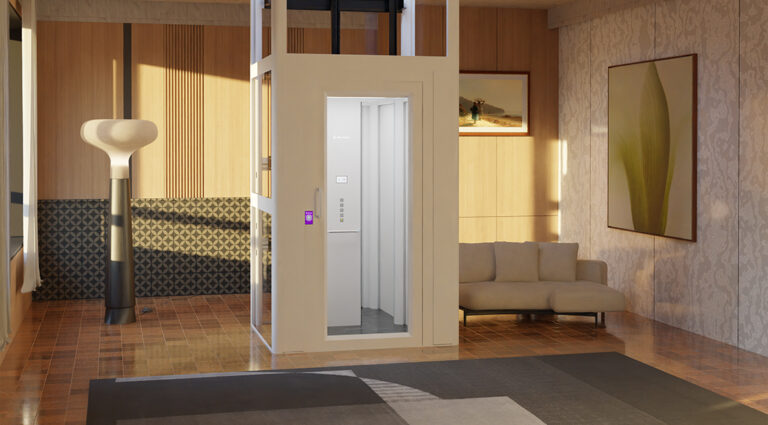
Installing a home elevator is no longer considered a luxury in India—today, it has become a practical solution for convenience, mobility, and modern home design. Whether you want to support elderly family members, increase property value, or simply add comfort to your multi-storey home, a home elevator can make a significant difference. However, the most important question homeowners have is: What affects the cost of a home elevator in India?
The price of a home elevator can vary widely depending on numerous factors, including technology, size, design, brand, installation requirements, safety features, and maintenance. This detailed guide breaks down every cost-influencing factor so you can plan your investment confidently and choose the right lift for your home.
Table of Contents
Toggle1. Type of Home Elevator Technology
The most significant factor affecting the cost of a home elevator is the technology used. Each system comes with different performance levels, maintenance needs, installation complexity, and price ranges.
a. Hydraulic Elevators
Hydraulic elevators are among the most popular choices for Indian homes. They operate using a hydraulic pump and a fluid-filled piston that raises and lowers the cabin.
Why they cost what they cost:
- Smooth and stable ride quality
- Can be installed in compact spaces
- Requires a small machine room
- Moderate installation and maintenance
Price Range: ₹8–15 lakhs
These elevators strike a balance between affordability and performance, making them ideal for most residential projects.
b. Gearless Traction Elevators
These elevators function using a counterweight and traction system, offering superior efficiency and ride quality.
Cost-driving factors:
- No machine room required
- Higher energy efficiency
- Premium design and technology
- Extremely silent and smooth operation
Price Range: ₹12–25 lakhs
Since gearless elevators offer a luxurious experience with advanced engineering, they come at a slightly higher price point.
c. Pneumatic / Vacuum Elevators
These futuristic elevators operate using air pressure and require zero pit or shaft space.
What increases their price:
- Panoramic 360° design
- Shaftless construction
- Very minimal civil work
- Unique structural engineering
Price Range: ₹20–35 lakhs
They are a premium choice for homeowners who prioritize aesthetics and space-saving capabilities.
2. Number of Floors the Elevator Will Cover
The number of stops (floors) the elevator needs to travel directly impacts the total cost. The more floors, the more components, wiring, and installation effort required.
Price Impact Per Additional Floor: ₹1–3 lakhs
For homes with more than two floors, expect a noticeable increase in the overall price.
3. Cabin Size, Capacity, and Build Materials
The elevator cabin size and the materials used in its construction significantly influence the cost. Larger cabins require more structural support and stronger motors.
Cabin Size Options
- Compact cabins for 1–2 people
- Standard cabins for 2–3 people
- Large cabins for wheelchairs and 4–5 people
Capacity Options
- 250 kg
- 300 kg
- 400 kg
- 500 kg
Cabins can be made from stainless steel, glass, aluminum, or a mix of premium materials.
Cost Influence: +₹50,000 to ₹3 lakhs
The bigger and stronger the elevator needs to be, the more expensive the system becomes.
4. Customization & Aesthetic Enhancements
Home lifts are not just functional—they can also be a part of your interior décor. Many homeowners prefer to personalize their elevator to match the home’s design theme.
Popular Customization Options
- Fully glass or panoramic cabins
- Premium LED lighting
- Wooden, marble, or SS interiors
- Decorative ceilings
- Touchscreen operating panels
- Glass doors
- Designer flooring
Price Impact: ₹50,000 to ₹5 lakhs
Customization adds a personalized touch but can significantly increase the overall cost.
5. Installation Requirements & Civil Modifications
Every home is architecturally unique, and the cost of installation can vary depending on the structure. Installation complexity is one of the most variable cost components.
Factors That Affect Installation Cost
- Is it a new home or a retrofit installation?
- Does your home already have a lift shaft?
- Is civil work required to create space?
- Is structural reinforcement needed?
- Electrical and wiring adjustments
Typically, installing an elevator in an existing home costs more due to additional structural modifications.
Average Civil Work Cost: ₹1–5 lakhs
This includes pit depth construction, headroom adjustments, and electrical work.
6. Brand, Origin, and Manufacturing Quality
Brand reputation plays a strong role in determining home elevator cost.
Indian Brands
- Cost-effective
- Easily available parts
- Basic safety and design
Price Range: ₹6–20 lakhs
Imported Brands (Italy, Germany, USA)
- Superior technology
- Higher safety certifications
- Longer lifespan
- Elegant designs and advanced engineering
Price Range: ₹15–40 lakhs
Imported lifts generally cost more due to advanced mechanisms, European standards, and high-grade materials.
7. Safety Features and Smart Technologies
Safety is the most important aspect of any home elevator, and elevators equipped with high-end safety features cost more.
Common Safety Features
- Emergency stop
- Automatic Rescue Device (ARD)
- Interlocks
- Door sensors
- Overload protection
- Alarm systems
- Backup battery operation
Advanced Features
- Smart phone app control
- Voice-enabled panels
- Biometric access
- CCTV inside the cabin
Price Influence: ₹50,000 to ₹2 lakhs
Choosing advanced safety and smart features ensures long-term reliability and peace of mind.
8. After-Sales Service, Warranty & Maintenance
Although maintenance is not included in the initial price, it is an important long-term cost factor.
Annual Maintenance Contract (AMC)
- Regular servicing
- Component inspection
- Replacement of wear-and-tear parts
AMC Cost Range: ₹15,000–₹40,000 per year
Brands with a strong service network may charge more initially but save money through smoother maintenance.
Warranty Packages
Higher-end brands offer:
- 1–5 years warranty
- Extended warranty for critical components
Better warranty packages often reflect superior product quality.
9. Location and Accessibility
Your project location also impacts the final cost. Delivering and installing a lift in metro cities like Bangalore, Chennai, or Mumbai is different from installing one in a remote or hilly region.
Location-Based Cost Factors
- Transportation charges
- Availability of trained technicians
- Travel cost for installation crew
- Access difficulties for equipment delivery
These logistic factors may slightly increase the overall budget.
10. Additional Features & Smart Home Integration
Modern homeowners often want elevators that integrate seamlessly with home automation systems.
Optional Add-Ons
- Smart home connectivity
- Energy-efficient motors
- Automatic sliding doors
- ARD with extended battery backup
- Luxury control panels
Every additional feature adds to the final cost but improves convenience, safety, and long-term value.
Conclusion
The home elevator cost in India is influenced by a wide range of factors—from the type of technology to installation complexity, cabin size, safety features, and brand quality. On average, home elevators in India range from ₹6 lakhs to ₹40 lakhs, depending on your preferences and home requirements.
Understanding these cost components helps you make an informed decision and choose a lift that enhances your home while fitting into your budget. Whether you’re looking for functionality, luxury, or accessibility, there’s a home elevator model suited for every need and lifestyle.