
Table of Contents
ToggleTechnology Is Reshaping Human Capability
Technology has always aimed to support human effort. Today, that support feels more intelligent and more intuitive than ever before. Machines no longer operate in isolation. Instead, they work alongside people, enhancing strength, accuracy, and consistency.
Healthcare and manufacturing sit at the center of this transformation. Both fields demand precision, safety, and reliability. As expectations rise, advanced automation tools continue to evolve. Among them, the robotic hand stands out as a key driver of progress.
The Growing Importance of the Robotic Hand
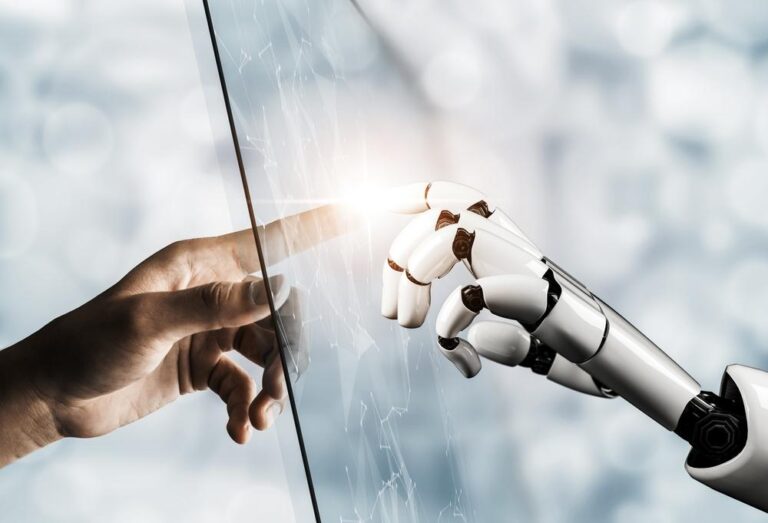
The Robotic Hand represents the point where digital intelligence meets physical action. It allows machines to grasp, hold, and manipulate objects with control and care. This ability expands what automation can achieve.
As technology advances, robotic hands are becoming more adaptive and responsive. They no longer perform simple repetitive tasks alone. Instead, they support complex operations that once required only human touch. This evolution signals a powerful future across industries.
The Future of Robotic Hands in Healthcare
Precision supporting patient care
Healthcare demands accuracy at every step. Small errors can have serious consequences. Robotic hands offer controlled movement that supports delicate medical tasks.
In surgical environments, robotic assistance improves steadiness. It reduces hand tremors and fatigue. This precision supports better outcomes and greater safety for patients.
As robotic hands become smarter, their role in healthcare will expand. They will assist with tasks that require steady, repeatable movement under strict conditions.
Rehabilitation and assistive care
Robotic hands also play a role in rehabilitation. They help patients regain movement and strength. These systems provide guided support during therapy.
Over time, adaptive control allows exercises to match patient progress. This personalized approach improves recovery experiences. Technology becomes a partner in healing rather than a barrier.
Manufacturing Transformed by Advanced Automation
Manufacturing relies on speed and consistency. Production environments demand accuracy across thousands of cycles. Robotic hands meet this demand through repeatable performance.
In assembly lines, robotic hands handle components with exact positioning. They reduce defects and waste. As a result, quality improves while costs decrease.
Future developments will further enhance adaptability. Robotic hands will switch tasks with minimal downtime. This flexibility supports modern manufacturing needs.
Collaboration Between Humans and Machines
Enhancing rather than replacing human roles
The future of automation focuses on collaboration. Robotic hands handle repetitive or hazardous tasks. Humans focus on oversight, creativity, and decision making.
This partnership improves safety. Workers face fewer physical risks. Automation becomes a supportive presence rather than a threat.
As trust grows, collaboration becomes smoother. Robotic hands integrate into workflows without disruption.
Improving workplace ergonomics
Repetitive strain affects many workers. Robotic assistance reduces physical stress. Tasks requiring strength or precision shift to machines.
This support improves long term health. Workers remain productive without injury. The workplace becomes more sustainable and humane.
Smarter Control and Artificial Intelligence
Artificial intelligence will shape the future of robotic hands. Smart systems will analyze data and predict actions. Control will become more adaptive.
Instead of following fixed commands, robotic hands will respond to context. They will adjust grip and movement automatically. This intelligence enhances efficiency.
Learning algorithms will refine performance over time. Each task improves the next. Automation grows smarter through experience.
Sensory Feedback and Real World Awareness
Future robotic hands will gain better sensory feedback. They will detect texture, pressure, and resistance with greater accuracy. This awareness supports delicate handling.
In healthcare, this sensitivity matters greatly. In manufacturing, it reduces damage and waste. Sensory feedback bridges the gap between human and machine perception.
As feedback systems evolve, robotic hands will feel more intuitive. Interaction with the physical world will become smoother and safer.
Ethical Considerations and Responsible Innovation
Progress brings responsibility. Designers must ensure safety and transparency. Ethical development guides trust in automation.
Robotic hands should enhance human dignity. They must support workers and patients without replacing meaningful human roles. Balance remains essential.
Responsible innovation ensures acceptance. It allows technology to grow alongside social values.
Accessibility and Wider Adoption
Cost and access shape the future. As technology matures, prices will decrease. More organizations will adopt robotic solutions.
Healthcare facilities of all sizes will benefit. Small manufacturers will gain access to automation. This wider adoption spreads opportunity.
Training and education will also expand. Skilled operators will guide systems effectively. Knowledge will support sustainable growth.
Challenges That Shape the Road Ahead
Despite promise, challenges remain. Integration requires planning. Systems must align with existing workflows.
Maintenance and updates also matter. Technology must remain reliable. Continuous improvement will address these needs.
Research and collaboration will drive solutions. Engineers, clinicians, and workers will shape progress together.
The Long Term Impact on Society
Automation changes how society works. It reshapes jobs, skills, and expectations. Robotic hands will influence these shifts.
By improving safety and efficiency, they support economic growth. By reducing physical strain, they improve quality of life.
This balance defines meaningful progress. Technology serves people rather than replacing them.
A Future Defined by Intelligent Support
The future of automation feels collaborative and human centered. Robotic hands embody this vision. They combine precision, adaptability, and care.
In healthcare, they support healing. In manufacturing, they support quality and efficiency. Across both fields, they enhance human capability.
The Robotic Hand will continue to evolve. It will shape a future where technology and humanity move forward together.