
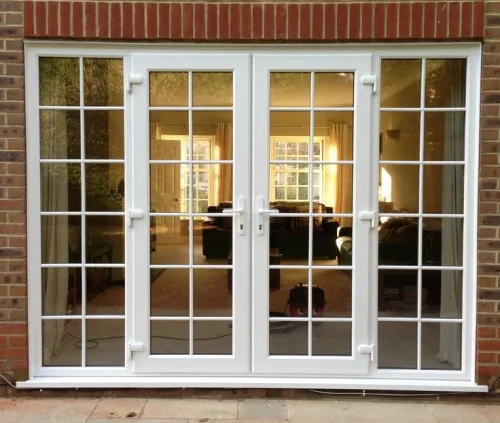
Many homes struggle with poor natural light, limited ventilation, and interiors that feel visually closed off from the outdoors. This is especially common in properties where window openings are small or poorly positioned, resulting in spaces that rely heavily on artificial lighting and mechanical ventilation. Over time, this affects comfort, energy use, and the overall quality of daily living. French windows address these challenges by opening up interiors to daylight, fresh air, and outdoor views while maintaining architectural balance and elegance.
Designed to create a strong connection between indoor and outdoor spaces, French windows help homes feel brighter, more breathable, and visually expansive. Their enduring appeal lies in their ability to solve functional problems without compromising on style, making them relevant across both traditional and modern housing designs.
Table of Contents
ToggleHistorical Significance of French Windows
The origins of French Windows date back to the 17th century in France, when they were introduced as tall openings leading to gardens, balconies, and terraces. At a time when artificial lighting was limited, these windows played a crucial role in bringing daylight into interior spaces. Their symmetrical proportions and full-length glass panels soon became a defining element of refined European architecture.
Over the centuries, the design evolved to suit changing construction techniques, but the core principles remained intact. Today, French windows continue to reflect architectural elegance while integrating modern materials, glazing technologies, and performance standards.
Key Features of French Windows
French windows are characterised by large glass panels that extend close to floor level, allowing generous amounts of natural light to enter the room. This improves visual comfort and reduces reliance on artificial lighting during the day. Their hinged opening mechanism enables wide ventilation, supporting healthier indoor air circulation.
Frame options vary based on architectural style and performance requirements. Timber frames offer a classic aesthetic, uPVC provides cost-effective insulation, and aluminium allows for slimmer profiles and larger glass areas. This versatility makes French windows suitable for bedrooms, living rooms, and spaces opening onto balconies or terraces.
Advantages of Installing French Windows
One of the most significant benefits of French windows is improved daylight penetration, which helps interiors feel more open and welcoming. Enhanced ventilation improves indoor air quality, especially in homes in warm or humid climates.
French windows also strengthen the visual and physical connection between indoor spaces and outdoor areas such as gardens or balconies. When paired with high-quality glazing and well-sealed frames, they can improve thermal performance, helping regulate indoor temperatures throughout the seasons.
Beyond functionality, French windows add architectural value, often enhancing a home’s perceived openness and elegance.
Must Read: Modern French Window Design Ideas for Bedrooms with Natural Light
Design and Placement Considerations
Effective placement is essential to maximise the benefits of French windows. The size and position should complement room proportions and furniture layouts to ensure smooth movement and usability. In sun-exposed areas, appropriate glazing specifications help manage heat and glare without reducing light levels.
Frame finishes should align with the home’s interior and exterior palette, while safety features such as toughened glass, secure locking systems, and restrictors are particularly important on upper floors. Thoughtful design ensures French windows enhance both appearance and performance.
Maintenance of French Windows
Regular maintenance helps preserve the appearance and functionality of French windows. Glass should be cleaned periodically to maintain clarity, and hinges and locking mechanisms should be checked occasionally to ensure smooth operation.
Frame care depends on the material used. Aluminium frames generally require minimal upkeep, while timber frames may need periodic refinishing. Avoiding harsh cleaning agents helps maintain surface finishes and extends the lifespan of the window system.
Complementing French Windows with French Doors
For wider openings and seamless indoor-outdoor movement, French Doors complement French windows effectively. Both share similar proportions and design language, creating visual consistency across the home. French doors provide broader access to patios, balconies, or gardens, while French windows maintain light and ventilation in adjacent spaces.
In apartments or upper-floor layouts, French balcony doors serve a similar role, offering daylight and airflow while maintaining safety and structural integrity.
Conclusion
French windows remain a practical and elegant solution for homes seeking better light, ventilation, and spatial openness. By addressing common design challenges while maintaining timeless appeal, they remain relevant across changing architectural trends. With careful planning, appropriate materials, and regular maintenance, French windows can enhance comfort, functionality, and visual connection to the outdoors for many years.