
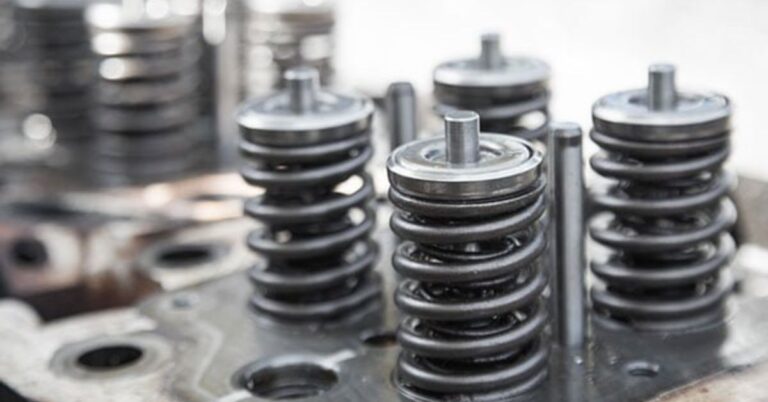
Compression springs are among the most widely used mechanical components in engineering. Designed to resist compressive forces, these springs store energy when compressed and release it when the load is removed. Their simple yet effective working principle makes them essential across multiple industries, from automotive and aerospace to electronics and heavy machinery. With the growing demand for precision and durability, compression springs continue to play a vital role in modern engineering applications.
Table of Contents
ToggleUnderstanding the Function of Compression Springs
Compression springs are typically made from high-grade steel alloys and are engineered to operate within specific load and deflection limits. When force is applied, the spring shortens and generates resistance, ensuring controlled movement and shock absorption. This makes them ideal for applications that require stability, safety, and repeatable performance. Today, many Compression Spring Manufacturers focus on producing springs that meet exact tolerances, ensuring consistent functionality even under extreme conditions.
Applications in Automotive Engineering
In the automotive industry, compression springs are crucial for vehicle performance and safety. They are used in suspension systems, braking mechanisms, engine valves, and seating components. These springs help absorb road shocks, maintain tire contact with the surface, and ensure smooth vehicle operation. As vehicles become more advanced, the demand for lightweight yet high-strength compression springs has increased, pushing manufacturers to adopt innovative materials and production techniques.
Role in Industrial Machinery and Equipment
Compression springs are extensively used in industrial machinery for load management and vibration control. They are found in presses, conveyors, pumps, and industrial valves. By maintaining consistent pressure and alignment, these springs help prevent mechanical failures and reduce maintenance costs. A reliable Spring Manufacturer in Chennai often caters to such industrial needs by delivering custom-designed compression springs suitable for heavy-duty and high-cycle applications.
Importance in Electrical and Electronic Devices
In electrical and electronic equipment, compression springs ensure proper contact, positioning, and shock resistance. They are commonly used in switches, relays, battery contacts, and circuit breakers. Even a minor failure in these springs can disrupt electrical flow or device performance. Hence, precision manufacturing and quality testing are critical to ensure reliable operation in compact and sensitive electronic systems.
Applications in Construction and Infrastructure
Compression springs are widely used in construction and infrastructure-related equipment where load control and durability are critical. They are commonly found in vibration isolation systems, safety valves, and structural support mechanisms. These springs help absorb dynamic loads and reduce stress on mechanical parts, improving the overall lifespan of construction machinery. Their ability to perform reliably under heavy loads makes them suitable for demanding infrastructure environments.
Contribution to Energy and Power Systems
In power generation and energy systems, compression springs play a supporting role in ensuring operational stability. They are used in turbines, control valves, circuit protection devices, and pressure-regulating systems. By maintaining consistent force and alignment, compression springs help prevent sudden mechanical failures and enhance system efficiency. Their performance is especially important in applications where continuous operation and safety are top priorities.
Performance in Agricultural Equipment
Agricultural machinery relies heavily on compression springs to withstand rough operating conditions and repetitive motion. These springs are used in planting equipment, harvesting machines, and suspension systems of tractors. They help manage impact loads, reduce vibration, and ensure smooth functioning even in uneven terrains. High-quality compression springs contribute to better equipment reliability and reduced downtime during critical farming operations.
Advancements in Spring Design and Manufacturing
Modern engineering demands have led to significant advancements in compression spring design and manufacturing. Improved CNC coiling machines, heat treatment processes, and surface finishing techniques have enhanced spring accuracy and durability. Engineers now focus on optimizing spring performance while minimizing material usage and weight. These innovations ensure compression springs meet evolving industry standards and continue to support complex engineering applications effectively.
Use in Medical and Aerospace Engineering
Medical devices and aerospace systems require components that meet strict quality and safety standards. Compression springs are used in surgical instruments, diagnostic equipment, aircraft seating systems, and control mechanisms. In these applications, springs must perform flawlessly under varying loads and environmental conditions. Advanced surface treatments and material selection help extend spring life while maintaining performance integrity.
Customization and Material Selection
Different engineering applications demand different spring characteristics. Factors such as wire diameter, spring length, load capacity, and operating environment influence spring design. Manufacturers often provide customized solutions to meet specific functional requirements. Stainless steel, carbon steel, and alloy steel are commonly used materials, each offering distinct advantages based on application needs.
Conclusion
Compression springs are indispensable components across a wide range of engineering applications. Their ability to manage loads, absorb shocks, and maintain mechanical stability makes them essential in automotive, industrial, electronic, medical, and aerospace sectors. As engineering systems continue to evolve, the role of compression springs will remain significant, driven by innovation, precision manufacturing, and application-specific customization. Choosing the right spring solution ensures improved performance, safety, and long-term reliability across engineering applications.