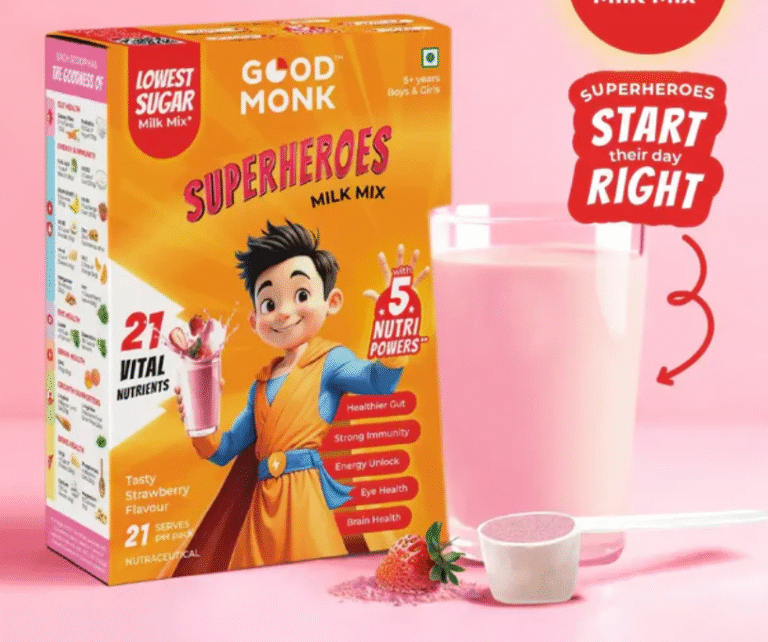
When it comes to parenting, nutrition is always the most talked-about subject. Among the many alternatives that are available to complement a child’s diet, milk powder is still a common feature in many households. Nevertheless, despite being a common feature in many households for such a long time, it is often shrouded in myths. One of the most common myths is that the powdered form is artificial or that it is less nutritious than regular milk.
If you have been feeling a little apprehensive about introducing milk powder for kids into your child’s diet, it is time to get the facts straight. Here are the most common myths about milk powder busted.
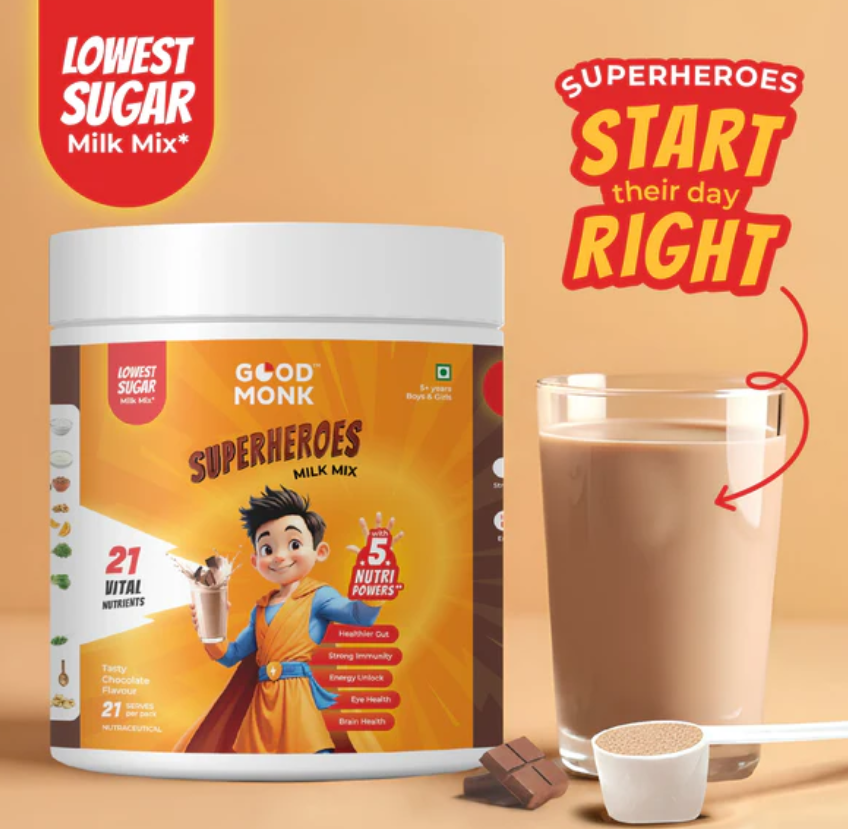
Myth 1: Milk Powder is ‘Fake’ or Artificial
The first myth is that milk powder is an artificial or fake substance that is manufactured in a lab. The truth is that milk powder is actually just liquid milk that has been pasteurized and then dried. This process involves removing the water content but preserving the key solids. There are no artificial components; it is a dairy product from start to finish, just in a more concentrated form. Milk powder for kids is a popular nutritional option for many families, yet it is often surrounded by confusion and misinformation. Understanding the facts can help parents make confident and informed choices about their child’s diet. Let’s debunk some common myths about milk powder for kids.
Myth 2: The Drying Process Destroys All Nutrients
The second myth is that the drying process, particularly spray drying, destroys all the nutrients. The truth is that while high heat can have a negative effect on certain heat-sensitive vitamins, such as Vitamin C, the majority of key nutrients, such as Calcium, Protein, and Vitamin D, are not affected.
Food technology has come a long way. Milk powder for kids is often fortified. This means that certain nutrients are added back in, and in some cases, even increased, to ensure that the child gets a balanced mix of DHA, Iron, and Zinc that may be missing in regular liquid milk.
Myth 3: It Contains Dangerous Preservatives
Since milk powder has a long shelf life, it is often presumed that it contains high amounts of preservatives. This is not true. The fact that milk powder has a long shelf life is because it lacks moisture. Bacteria and mould require water to multiply. Since milk powder lacks water, it is naturally shelf-stable. Provided that the container is airtight and stored in a cool, dry place, there is no need for preservatives to ensure that the milk powder remains healthy to drink. Another common misconception is that milk powder contains harmful chemicals. Reputable brands follow strict quality standards and food safety regulations. The drying process itself does not make the product unsafe. However, it’s always important for parents to check labels and choose trusted brands that clearly list ingredients and nutritional information.
Myth 4: It Causes Unhealthy Weight Gain
Some people believe that powdered milk is fattening compared to regular milk. The weight gain of children is due to the total amount of calories consumed and the amount of activity they get, not the form of the milk they consume. In fact, milk powder is better for portion control. If a child is a fussy eater, a special milk formula can be used to give the child the required amount of calories and proteins that the child is not getting from solid foods, thus ensuring that the child meets their growth milestones in a healthy manner and not in an obese manner. There’s also a myth that milk powder cannot match the taste of fresh milk. Modern processing techniques have significantly improved taste and texture, making it appealing for children. It can also be added to smoothies, porridges, or baked goods to enhance nutritional intake.
Myth 5: It is Harder to Digest
There is a myth that the processing of powdered milk makes it heavier in a child’s stomach. However, the heat process in the drying stage can actually break down some of the proteins in the milk, making it slightly easier to digest for some children than raw or lightly pasteurized fresh milk.
Myth 6: Fresh Milk is Always Superior
While fresh milk is great, it is not always the most convenient or complete source of milk for a child’s needs. Fresh cow’s milk, for example, can be low in iron and essential fatty acids. Specialized milk powders are designed specifically for different stages of development, ensuring that the nutritional gaps left by a toddler’s diet are filled.
Conclusion
When it comes to selecting milk powder for kids, the most important thing is to look for quality and honesty. Read the labels for added sugars and choose brands that emphasize holistic nutrition. Powdered milk is a safe, convenient, and very nutritious substitute for milk, offering the same bone-building benefits with the bonus of fortification.
By dispelling these myths, parents can be more assured in their decision. Whether you are travelling, seeking a product that will last longer, or seeking to increase your child’s mineral intake, milk powder is a trusted partner in the pursuit of health.