Every ingredient has a story, but few are as ancient and fascinating as Himalayan dark pink salt. This beautiful mineral salt travels an incredible journey — from prehistoric oceans to mountain mines, and finally to your dining table. Its natural purity, rich mineral content, and delicate flavor make it far more than just a seasoning. It’s a connection between nature, history, and modern cooking.
Let’s take a closer look at how Himalayan dark pink salt makes its way from deep underground to your favorite meals.
Table of Contents
ToggleBorn from Ancient Seas
Millions of years ago, vast prehistoric oceans covered parts of what is now the Himalayan region. As these waters slowly evaporated, they left behind concentrated salt deposits rich in natural minerals. Over time, geological shifts buried these deposits beneath layers of rock, preserving them in a pristine environment far from modern pollutants.
This natural protection is one reason Himalayan dark pink salt is considered one of the purest salts available today. Unlike modern sea salt, which may be exposed to environmental contamination, this ancient salt has remained sealed within the earth for centuries.
Hand-Harvested from Himalayan Mines
Today, Himalayan dark pink salt is carefully mined, often by hand, from deep within the Himalayan foothills. Traditional mining methods help preserve the natural structure and mineral composition of the salt crystals.
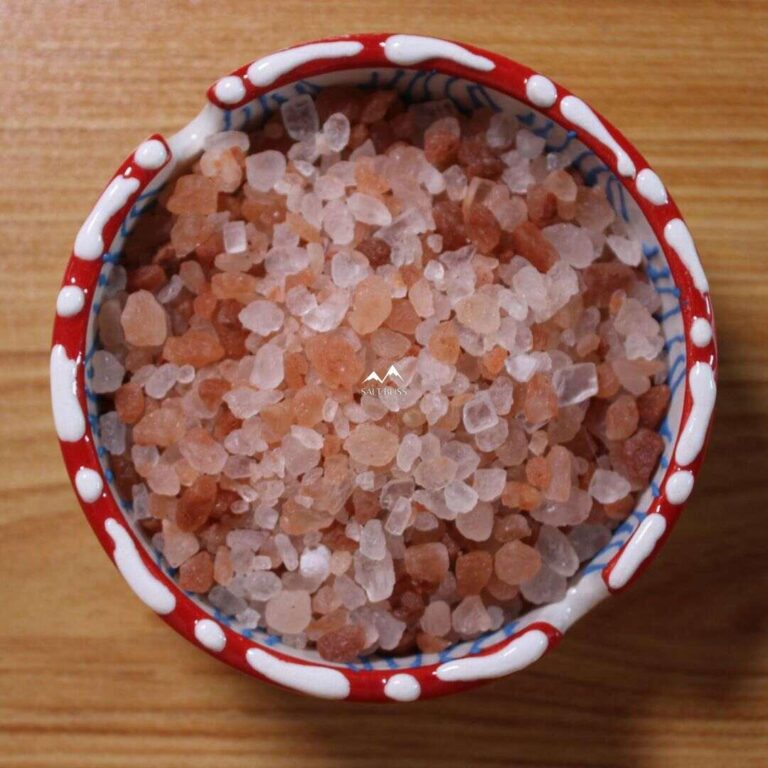
Large chunks are extracted and then sorted by color and quality. The deeper the shade of pink, the higher the mineral concentration, especially iron, which gives the salt its distinctive rosy hue.
Once harvested, the salt is simply washed, crushed, and graded into different sizes — fine, coarse, or crystal — without heavy processing or chemical treatments.
Naturally Rich in Trace Minerals
One of the defining features of Himalayan dark pink salt is its mineral profile. It contains small amounts of naturally occurring minerals such as:
- Iron
- Magnesium
- Potassium
- Calcium
- Zinc
These trace minerals contribute not only to its color but also to its subtle, well-rounded flavor. While the mineral amounts are not high enough to serve as a major nutrient source, they add depth to the taste and make the salt feel more natural compared to refined table salt.
From Raw Crystal to Kitchen Staple
After mining, Himalayan dark pink salt is processed with minimal interference. It is crushed and sorted into various textures suited for different culinary uses.
Fine Grain
Perfect for baking, sauces, and everyday cooking where quick dissolving is needed.
Coarse Grain
Ideal for seasoning meats, vegetables, and salads with a gentle crunch.
Salt Chunks
Used in grinders or carved into salt blocks for cooking and serving.
Because it’s not chemically refined, the salt maintains its natural structure and mineral complexity all the way to your kitchen.
A Flavor That Elevates Every Dish
Once it reaches your table, Himalayan dark pink salt begins its final transformation — turning simple ingredients into flavorful meals. Its taste is smoother and less harsh than regular salt, allowing it to enhance rather than overpower food.
It works beautifully with:
- Grilled meats and seafood
- Roasted vegetables
- Fresh salads
- Homemade soups and sauces
- Even sweet desserts like chocolate or caramel
This versatility makes it a trusted ingredient for both everyday cooking and special occasions.
A Visual Touch of Elegance
The journey of Himalayan dark pink salt doesn’t end with flavor. Its soft pink crystals add beauty to dishes, creating contrast and visual appeal. A small sprinkle on top of a meal gives it a gourmet, restaurant-style finish.
It’s often used as a finishing salt because of both its flavor and its eye-catching appearance.
Supporting Mindful Cooking
Knowing the story behind Himalayan dark pink salt often changes how people use it. Because it’s seen as a natural, premium ingredient, cooks tend to season more thoughtfully.
This encourages:
- Tasting food as you cook
- Using smaller amounts more effectively
- Appreciating natural ingredient quality
- Reducing overuse of processed seasonings
Cooking becomes more intentional and enjoyable.
Beyond the Plate
Interestingly, the journey of Himalayan dark pink salt doesn’t stop in the kitchen. Many people use it for:
- Relaxing bath soaks
- Natural body scrubs
- Decorative salt lamps
- Spa-style wellness treatments
These uses highlight its versatility and natural appeal, extending its value beyond cooking.
A Sustainable Natural Resource
Because Himalayan dark pink salt requires minimal processing and is mined using traditional techniques, its environmental footprint is often lower than heavily refined salts. Responsible sourcing also supports local communities involved in mining and production.
Choosing high-quality, ethically sourced salt ensures that this ancient resource continues to be available for future generations.
Bringing the Journey to Your Table
When you sprinkle Himalayan dark pink salt on your food, you’re adding more than seasoning — you’re adding history, nature, and craftsmanship. Its path from ancient ocean beds to modern kitchens is a reminder of how deeply connected food is to the earth.
Every crystal carries a story millions of years in the making, transforming simple meals into something meaningful and flavorful.
Final Thoughts
The journey of Himalayan dark pink salt from remote mountain mines to your mealtime plate is truly remarkable. Its natural origins, minimal processing, and mineral-rich character make it a standout ingredient in today’s world of processed foods.
By choosing this salt, you’re embracing a product shaped by nature, preserved by time, and perfected for modern cooking. From mine to mealtime, Himalayan dark pink salt proves that even the simplest ingredients can carry extraordinary stories — and deliver unforgettable flavor.