
Tyres are an essential part of every vehicle on the road. Whether it’s a car, truck, or motorcycle, the performance, safety, and efficiency of a vehicle rely heavily on its tyres. But have you ever wondered how tyres are made? The process behind manufacturing tyres in a tyre factory is both intricate and fascinating. In this article, we will take you through a detailed, step-by-step guide to how tyres are made, from raw materials to the final product.
Table of Contents
ToggleStep 1: Raw Material Selection
Every tyre begins with high-quality raw materials. The primary ingredients in tyre production include:
- Natural rubber: Provides elasticity and resilience.
- Synthetic rubber: Offers durability and resistance to wear.
- Carbon black: Reinforces the tyre and improves wear resistance.
- Chemicals and additives: Enhance properties like heat resistance, flexibility, and traction.
A modern tyre factory carefully selects these materials to meet specific performance standards. Quality testing ensures that every batch of raw material meets the factory’s rigorous standards.
Step 2: Mixing the Compounds
Once the raw materials are selected, they are combined to create different rubber compounds. This is a critical step because the performance of a tyre depends on the properties of these compounds. Mixing machines called banbury mixers are used to blend the ingredients thoroughly, ensuring uniformity.
Different parts of a tyre, such as the tread, sidewall, and inner liner, require different rubber formulations. The tread compound needs to be durable and wear-resistant, while the inner liner must prevent air leakage.
Step 3: Component Preparation
After mixing, the rubber compounds are processed into various components:
- Tread: The outer part of the tyre that contacts the road.
- Sidewall: The vertical section that connects the tread to the bead.
- Beads: Steel wires coated with rubber that keep the tyre firmly attached to the rim.
- Belts and plies: Layers of fabric or steel that provide strength and flexibility.
Each component is prepared separately using calenders, extruders, and other specialized machinery. This ensures precise dimensions and quality control.
Step 4: Building the Tyre
The next step is assembling the tyre, a process known as tyre building. In a tyre factory, this is done using a tyre building machine. The machine carefully layers the inner liner, body plies, belts, beads, sidewalls, and tread in the correct order.
This assembly stage is crucial because even minor errors can affect tyre performance. Skilled operators oversee the process to ensure precision.
Step 5: Curing and Vulcanization
Once the tyre is assembled, it undergoes vulcanization. This involves heating the tyre under pressure in a mould. Vulcanization has two main purposes:
- Curing: Converts raw rubber into a durable, elastic material.
- Shaping: Imprints the tread pattern and sidewall design onto the tyre.
Modern tyre factories use high-pressure autoclaves or hydraulic presses for this process. The temperature and pressure must be precisely controlled to achieve optimal performance and longevity.
Step 6: Quality Inspection
After curing, the tyre goes through rigorous quality control checks. This includes:
- Visual inspection: Checking for defects in tread, sidewall, and overall shape.
- X-ray or ultrasound tests: Detecting internal faults or air pockets.
- Uniformity tests: Ensuring balance and smooth rotation.
- Performance testing: Measuring traction, durability, and heat resistance.
Only tyres that pass all these tests are approved for sale. Defective tyres are recycled or reprocessed to minimize waste.
Step 7: Packaging and Distribution
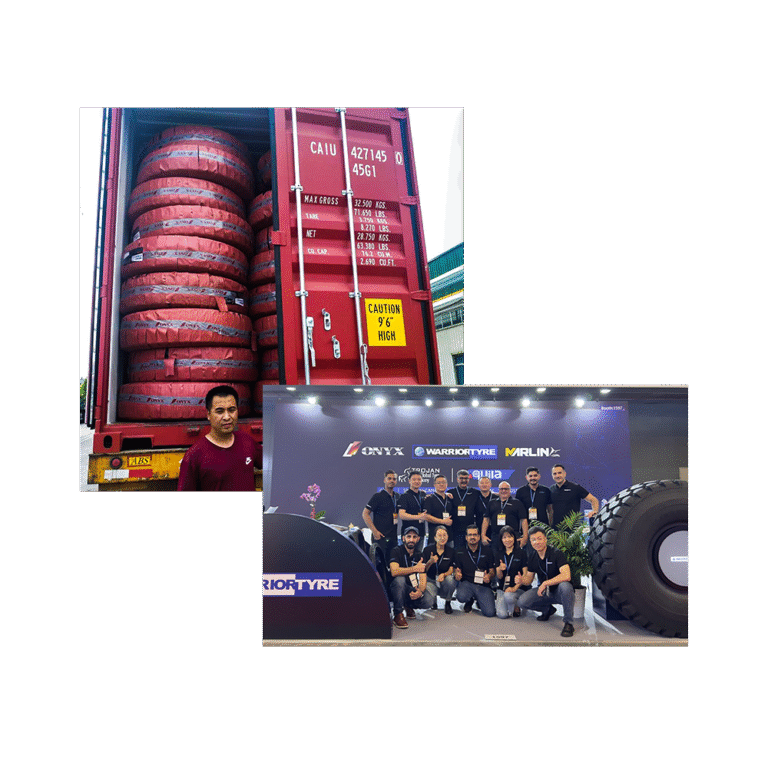
Once approved, tyres are labeled, packaged, and prepared for shipping. Modern tyre factories often integrate automated logistics systems to streamline distribution. Tyres are shipped to wholesalers, retailers, and directly to vehicle manufacturers worldwide.
The Role of Technology in Modern Tyre Factories
Technological advancements have significantly improved tyre manufacturing. Automation, robotics, and AI-driven quality control ensure higher precision, faster production, and reduced waste. Some factories even use sensors and real-time data analytics to monitor every step of the process, ensuring consistent quality.
Tyre manufacturing has come a long way since the first pneumatic tyres were developed over a century ago. Today, tyre factories are hubs of cutting-edge technology, combining automation, robotics, and advanced materials science to produce high-performance, durable tyres. These innovations not only improve efficiency and product quality but also reduce environmental impact. In this article, we explore the top 10 innovations transforming modern tyre factories and shaping the future of the tyre industry.
Environmental Considerations
Tyre factories are increasingly adopting eco-friendly practices. These include:
- Recycling scrap rubber into new tyres or products.
- Using energy-efficient machinery.
- Reducing emissions and water usage during production.
Sustainability is becoming a core focus for modern tyre manufacturers.
Conclusion
The journey of a tyre from raw materials to a finished product is a testament to human engineering and precision. Every tyre produced in a tyre factory undergoes a meticulous process of mixing, assembly, curing, and quality inspection to ensure safety, durability, and performance. Next time you drive, take a moment to appreciate the technology and effort behind the tyres that keep you moving safely on the road.